
 By Car gamerewardz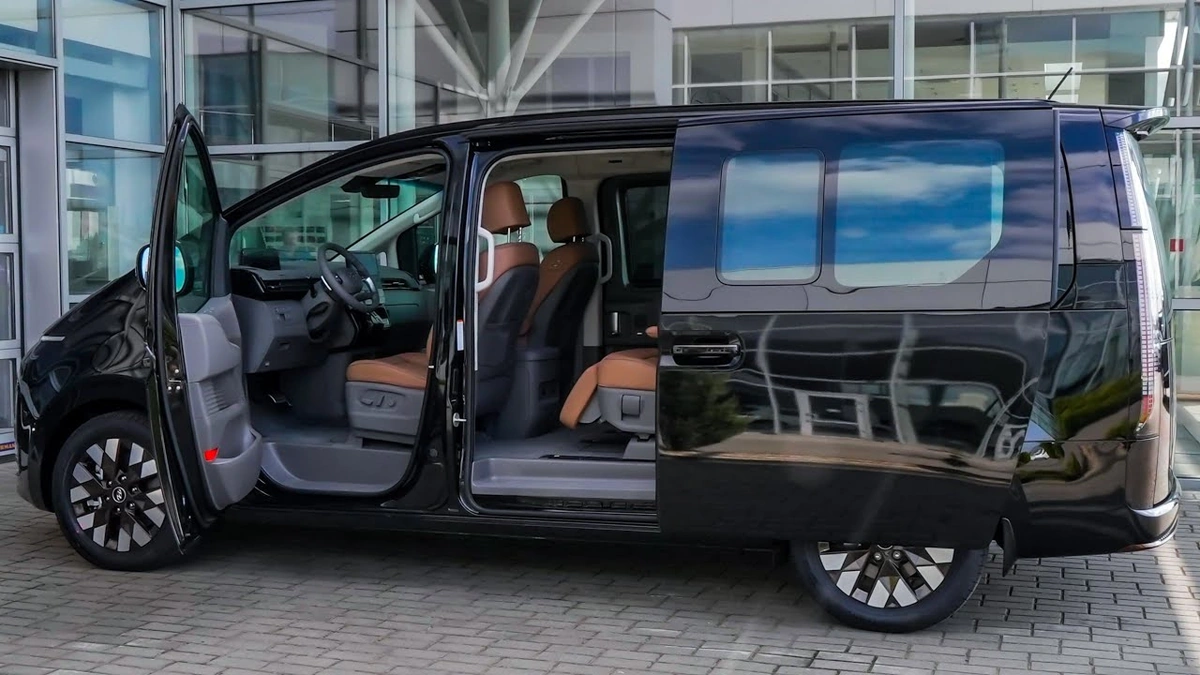
Let’s be honest, that moment when you realize your current car just isn’t cutting it anymore for the family – it’s a mix of ‘oh no’ and ‘finally!’. Especially here in India, where families are often growing, and road trips are becoming an essential part of connecting, the thought of a 7 seater van starts to loom large. But here’s the thing: while the idea of more space is incredibly appealing, picking the right one isn’t as straightforward as it seems. I’ve seen countless families make choices they later regret, often because they focused on the obvious and missed the subtle nuances that truly define a greatfamily van.
What fascinates me, and frankly, what keeps me up at night, is how many Indian buyers get caught up in the hype or follow general advice without truly understanding their own specific needs. It’s not just about fitting seven people; it’s about comfort, safety, budget, and perhaps most importantly, the joy of the journey. This isn’t just a purchase; it’s an investment in your family’s mobility and memories. So, let’s peel back the layers and talk about why this decision requires a deeper look, beyond just checking boxes.
The Unspoken Truths | Why Your Ideal 7 Seater Van Might Surprise You
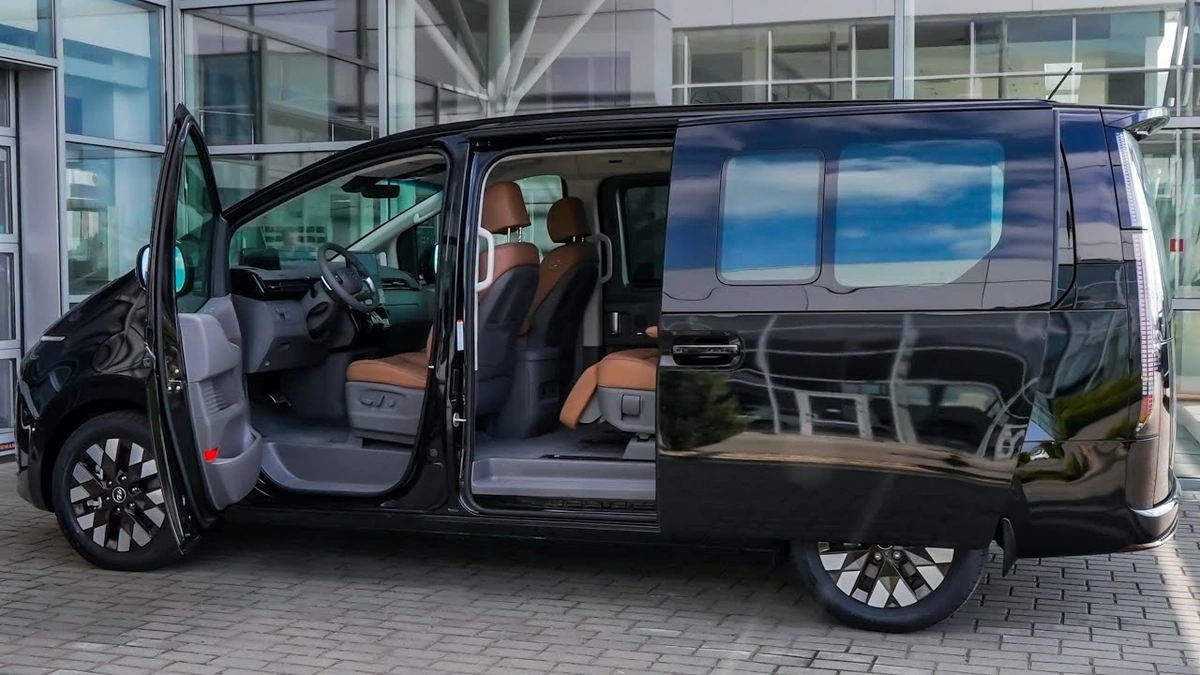
When you start your search for a 7 seater van, the first things that probably pop into your head are price and maybe mileage. And sure, those are important. But what about the ‘after-the-sale’ realities? For instance, have you considered the actual third-row comfort for adults, not just kids? Many vans tout seven seats, but the last row is often an afterthought, a squeeze more than a seat. And what about luggage space with all seven seats up? This is a common pitfall. You might think you’re getting a spacious vehicle, only to find your weekend luggage has to ride on laps – not ideal for a long drive, right?
I’ve personally seen families struggle on highway trips because they underestimated the need for practical boot space. This is where an understanding of the MPV segment (Multi-Purpose Vehicle) truly comes into play. It’s not just about sheer size, but smart packaging. An MPV, like a good multi-tool, is designed to adapt. Does the third row fold flat to create a massive cargo area for those trips to the furniture store? Can individual seats be removed for ultimate flexibility? These aren’t just features; they’re game-changers for diverse family needs.
Another crucial, often overlooked aspect is the driving experience itself. Are you spending more time in city traffic or on highways? A heavier, less agile 7 seater car comparison might reveal that some options are simply too cumbersome for navigating narrow urban lanes, while others feel perfectly at home. And then there’s theMulti-Purpose Vehicle (MPV)vs. SUV debate – a crucial one for India. While SUVs are trendy, an MPV often offers superior inner space and comfort, especially for the third row, at a comparable or even lower price point.
Decoding the ‘Comfort vs. Practicality’ Equation for Indian Families
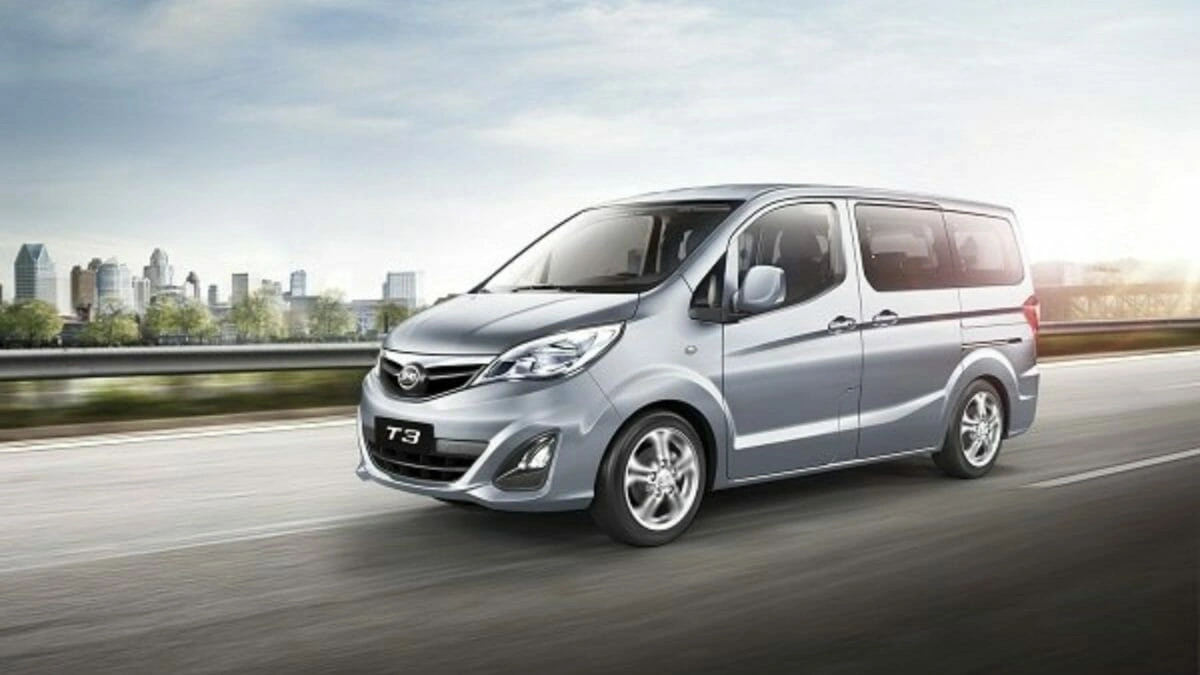
It’s a tale as old as time, or at least as old as the automobile industry: balancing comfort with practicality. In the Indian context, this equation is particularly complex. We crave luxurious interiors but also demand ruggedness for our diverse road conditions. So, when you’re looking at an affordable 7 seater van, don’t just eye the price tag. Dig deeper into things like suspension tuning – how well does it absorb those unexpected potholes? What about cabin insulation? A quiet cabin, free from excessive road and engine noise, makes a world of difference on long journeys, reducing fatigue for everyone.
And let’s talk about features that genuinely enhance daily life. Are there enough charging points for everyone’s devices? (Believe me, this becomes a major point of contention on any family trip!). What about air conditioning vents for all three rows? In India’s climate, uniform cooling isn’t a luxury; it’s a necessity. These small details contribute massively to overall space and comfort . When I advise friends, I always tell them to actually sit in all three rows during a test drive, even if it feels a bit awkward in the showroom. You’ll thank me later.
Then there’s the question of entry and exit. Kids, elders, even you after a long day – easy access to all rows is non-negotiable. Wide-opening doors, sliding doors (a common feature in classic vans), and a sensible seat-folding mechanism can make your life so much easier. This is where a used 7 seater van might offer great value, especially if you prioritize robust, proven designs over the absolute latest tech, allowing you to get a higher segment vehicle for less.
Beyond the Showroom | Owning a 7 Seater Van in India
The journey of owning a 7 seater van doesn’t end when you drive it out of the showroom. It truly begins. Think about factors like mileage and performance. Fuel costs are a significant recurring expense, so understanding the real-world fuel efficiency (not just the ARAI figures) of the specific engine you choose (petrol 7 seater van vs. diesel 7 seater van) is vital. Do you do high mileage? Diesel might make more sense. Mostly city drives? Petrol could be your pick. And consider the resale value. Certain models and brands hold their value far better in the Indian market, which is an important consideration for long-term ownership.
Maintenance costs are another often-ignored aspect. Some imported components or complex technologies can lead to higher service bills down the line. It’s always wise to check with existing owners or online forums about typical service costs and part availability. And, of course, safety features. While basic airbags and ABS are standard, look for features like ESP (Electronic Stability Program), ISOFIX child seat mounts, and even side airbags if your budget allows. These can be lifesavers, and no amount of comfort is worth compromising on safety.
The decision to buy a 7 seater isn’t just about space; it’s about lifestyle. It’s about envisioning those family trips to the hills, the daily school runs, or even just picking up relatives from the airport without playing Tetris with luggage. It’s a vehicle that becomes an integral part of your family’s life, a silent witness to countless memories. And that, my friends, is why getting it right from the start is paramount. Sometimes, the most popular choice isn’t the best one for your family. Perhaps aspacious SUVcould be an alternative, but typically, vans offer more usable interior volume.
Frequently Asked Questions About 7 Seater Vans
What are the essential safety features to look for in a 7 seater van?
Beyond mandatory airbags and ABS, prioritize features like Electronic Stability Program (ESP), Traction Control System (TCS), ISOFIX child seat mounts, and side airbags. A higher Global NCAP safety rating is also a strong indicator.
How do I determine if a 7 seater van has enough luggage space for my family?
Always check the boot space when all seven seats are in use. Don’t rely solely on figures with the third row folded down. Visit the showroom with your typical luggage (or equivalent bags) to get a real feel for the space. Consider rooftop carriers for occasional extra luggage.
Petrol vs. Diesel 7 seater van | Which is better for India?
If you have high daily or weekly mileage (over 1000 km/month), a diesel variant will likely offer better running costs due to superior fuel efficiency. For primarily city driving and lower mileage, a petrol engine might be more economical upfront and offer smoother refinement. Government regulations on diesel vehicles in certain metro areas might also influence your choice.
Are 7 seater vans difficult to drive and park in Indian cities?
Modern 7 seater vans are designed to be quite manageable, but their larger footprint can make parking in congested areas challenging. Look for features like parking sensors, a rear-view camera, and a good turning radius. A test drive through typical city routes is highly recommended to assess its maneuverability.
What’s the typical maintenance cost for a 7 seater van in India?
Maintenance costs vary significantly by brand and model. Generally, Indian-made or locally assembled vans tend to have lower parts and service costs. Research specific models you’re considering for their service intervals and typical expenses. Factors like engine type (petrol/diesel) and technology level also play a role.
So, the next time you’re dreaming of that perfect 7 seater van for your Indian adventures, remember it’s not just about the number of seats. It’s about how those seats contribute to your family’s comfort, safety, and overall happiness on the road. Do your research, ask the right questions, and most importantly, listen to what your family truly needs. Happy van hunting!