
 By Car gamerewardz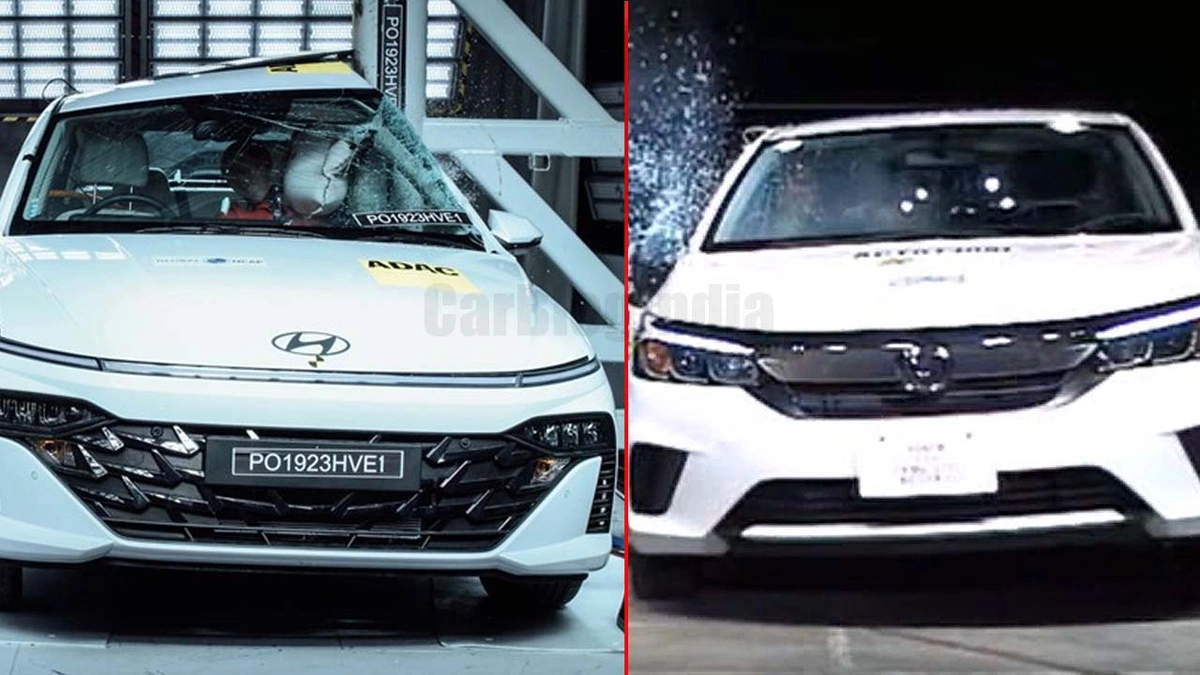
Alright, let’s grab a virtual coffee and talk about something truly important for anyone navigating India’s dynamic roads: car safety. Here’s the thing about buying a car in India, especially a sedan – we often get caught up in features, mileage, and looks, right? But what about the one thing that truly matters when things go wrong? Your safety, and that of your loved ones.
I mean, let’s be honest. The sheer chaos, the unexpected maneuvers, the sheer volume of vehicles on our roads –driving conditions in Indiaare, to put it mildly, an adventure. So, when someone asks me about the safest sedan cars in India , I don’t just rattle off a list. My mind immediately goes to the ‘why’ and ‘how’ – why are certain cars considered safer, and how do you, as a discerning buyer, really identify them beyond superficial claims? This isn’t just about airbags; it’s about the very engineering that protects you when milliseconds count.
Why Safety Matters More Than Ever on Indian Roads
It’s not just a statistic; it’s a stark reality. India has some of the highest road accident fatalities globally. And while better infrastructure and stricter enforcement play their part, the fundamental safety of the vehicle you choose is your first line of defense. Think about it: our roads are unpredictable. From surprise potholes to sudden braking, from motorcyclists weaving through traffic to overloaded trucks – the variables are endless. This isn’t just about avoiding an accident; it’s about surviving one, should the unthinkable happen.
The implications are profound. A safe car isn’t a luxury; it’s a necessity. It gives you peace of mind, knowing that if you ever find yourself in a tight spot, your vehicle is engineered to absorb impact, protect occupants, and keep you secure. The days of simply having ‘some’ safety features are long gone. Today, we need to look for comprehensive protection, a holistic approach to keeping you safe, even in the most challenging scenarios our roads can throw at you.
Beyond the Brochure | Understanding Real-World Car Safety Ratings
Now, this is where it gets interesting, and frankly, a bit confusing for many. How do you really gauge a car’s safety? For years, we relied on manufacturer claims, which, let’s be frank, can be a mixed bag. Then came independent assessments, and specifically for India, theGlobal NCAP ratingsbecame a game-changer. These aren’t just theoretical tests; they’re real-world crash simulations that provide incredibly valuable insights.
When you see a GNCAP rating, you’re looking at more than just stars. You’re evaluating two critical areas: adult occupant protection and child occupant safety . A five-star rating in both categories, my friend, is the gold standard. It tells you that the car’s structure is robust enough to maintain its integrity during impact, that airbags deploy effectively, and that seatbelts work in harmony with other systems to minimize injury. A high score in adult occupant protection signifies minimal intrusion into the cabin, while child occupant safety ensures that even the youngest passengers are shielded through proper ISOFIX mounts and effective restraint systems. Don’t just look for ‘airbags’; look for the performance in these crash tests. That’s the real measure of car safety ratings .
The Sedans That Stand Tall | A Look at India’s Safest Contenders
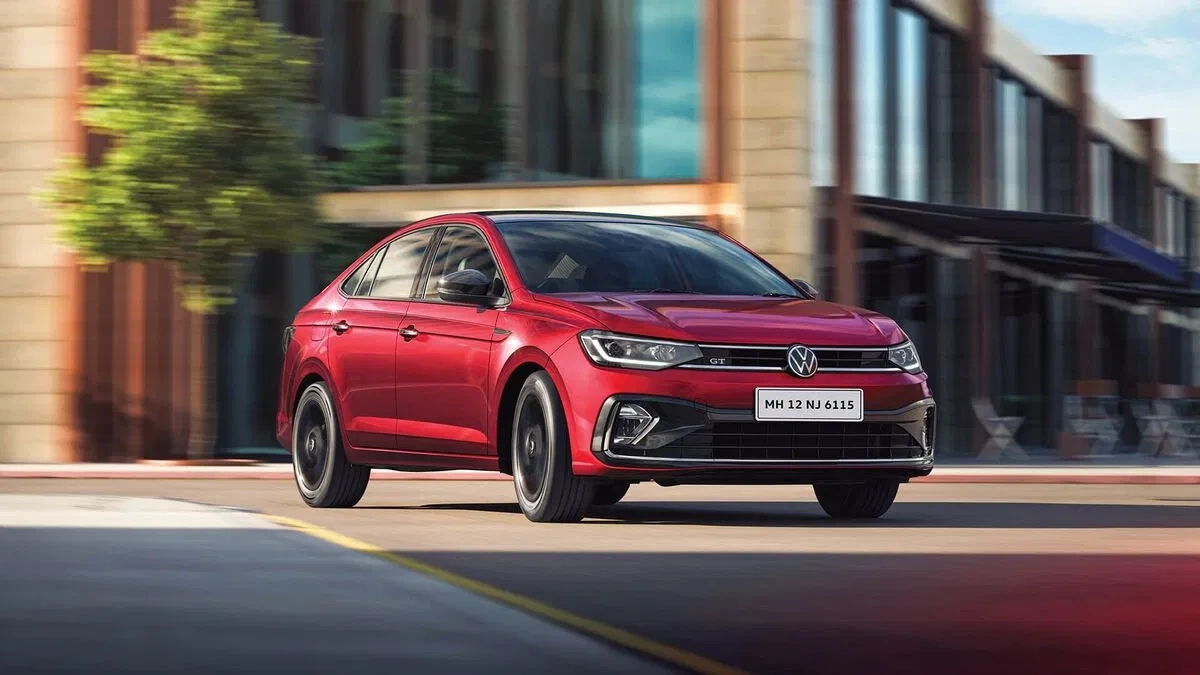
So, which sedans are actually leading the charge when it comes to safety? This isn’t about endorsements; it’s about data and verifiable crash test performance. Historically, European marques have often set benchmarks, and that trend continues with models like the Skoda Slavia and Volkswagen Virtus. Both of these sedans have achieved a coveted 5-star rating in both adult and child occupant protection under the Global NCAP ‘Safer Cars for India’ campaign, making them top contenders among the safest sedan cars in India . Their robust build quality, coupled with standard safety features, truly makes a difference.
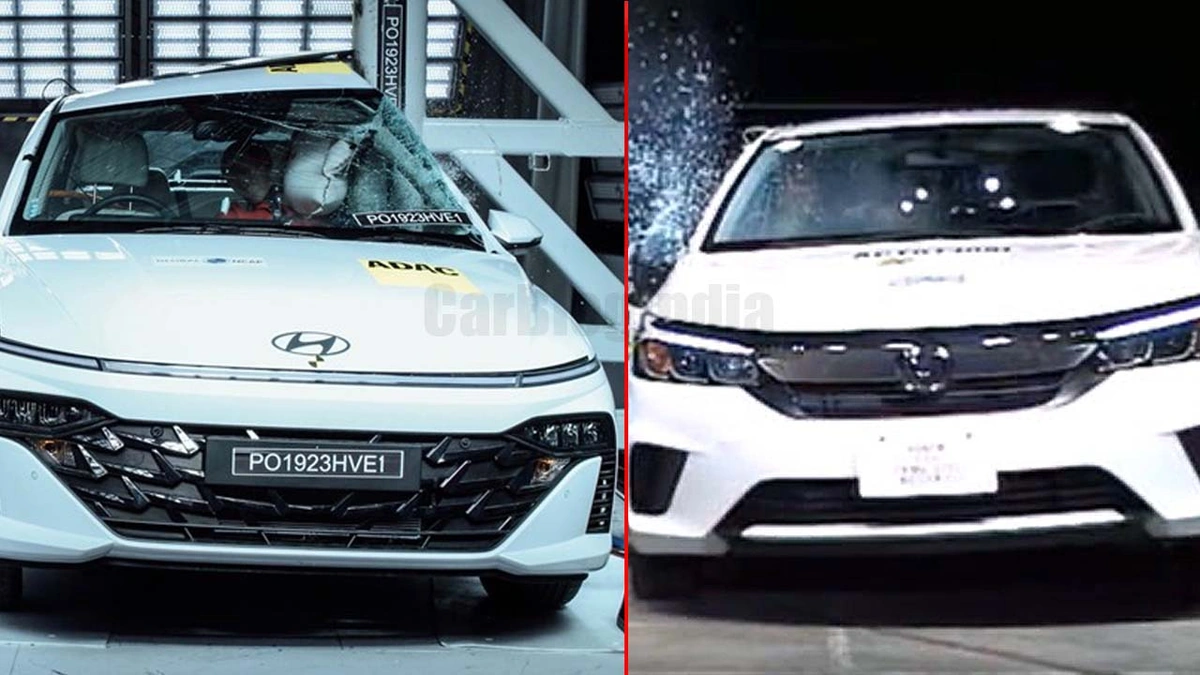
Then we have strong performers like the Honda City, which also scores very well, demonstrating a commitment to safety over generations. More recently, the Hyundai Verna has also made significant strides in its latest iteration, achieving a 5-star GNCAP rating for both adult and child safety, pushing the envelope for what buyers expect in terms of build quality India -made cars can offer. What these cars have in common isn’t just a badge; it’s an underlying engineering philosophy focused on structural integrity and advanced protective systems. When evaluating these options, consider their overall package, not just one feature in isolation.
The Tech That Keeps You Safe | Essential Safety Features in Modern Sedans
Safety isn’t just about what happens during a crash; it’s increasingly about preventing one altogether. This is where advanced safety technology steps in, turning your car into an active protector. Features like Anti-lock Braking System (ABS) with Electronic Brakeforce Distribution (EBD) are now almost standard, and rightly so. But what truly elevates a car’s safety profile is the inclusion of Electronic Stability Control (ESC).
ESC, also known as ESP, is a lifesaver. It can detect when you’re about to lose control of your vehicle – perhaps on a slippery surface or during a sudden evasive maneuver – and can individually brake wheels and reduce engine power to help you regain control. Trust me, it’s like having an invisible co-pilot. Many modernsedan segmentsare also now offering Advanced Driver-Assistance Systems (ADAS) . These can include features like forward collision warning, automatic emergency braking, lane keep assist, and adaptive cruise control. While they don’t replace attentive driving, they certainly provide an extra layer of protection, acting as an additional pair of eyes and quick reflexes, especially crucial in Indian traffic. When exploring your next vehicle, always prioritize sedans that integrate these proactive safety features sedan -wide, providing peace of mind before an incident even occurs.
Making Your Choice | More Than Just Stars and Airbags
So, you’ve digested the ‘why’ and the ‘how’. Now comes the crucial part: making your informed decision. Remember, a car isn’t just a purchase; it’s an investment in your well-being. Don’t be swayed solely by horsepower or infotainment screens. Dig deeper. Ask about the car’s crash test ratings, not just for adults but for children too. Inquire about the presence of active safety systems like ESC and, if your budget allows, ADAS features. Check for robust structural integrity – a vehicle’s ability to remain stable during impact is paramount.
It’s about understanding that while every car on the market meets certain minimum safety standards, some go above and beyond, truly prioritizing occupant protection. A vehicle with a strong safety legacy and proven performance in independent tests should be high on your list. After all, the value of life is immeasurable. Making a choice based on comprehensive safety not only protects you and your family but also sends a clear message to manufacturers that Indian consumers demand and deserve the highest safety standards. For a holistic view on youroverall car ownership journey, consider all aspects, but never compromise on safety.
Your Burning Questions About Sedan Safety, Answered
What is Global NCAP and why is it important for Indian buyers?
Global NCAP is an independent organization that conducts crash tests on cars sold in various emerging markets, including India. It’s crucial because it provides unbiased, real-world safety assessments, allowing Indian buyers to compare the crashworthiness and occupant protection of different vehicles beyond manufacturer claims.
Are more airbags always better for car safety?
While more airbags generally offer enhanced protection, they are only one part of the safety equation. A car with six airbags but a weak body structure might still perform poorly in a crash. It’s the combination of a strong chassis, effective airbag deployment, and other passive and active safety systems that truly makes a car safe.
How do active safety features like ESC help prevent accidents?
Electronic Stability Control (ESC) is an active safety system designed to prevent loss of control. It monitors steering angle and wheel speed, and if it detects that the car is deviating from the driver’s intended path, it can selectively apply brakes to individual wheels and/or reduce engine power to help steer the car back on track, significantly reducing the risk of skids or rollovers.
Can I trust the safety claims made by car manufacturers in India?
While manufacturers adhere to regulatory standards, independent crash tests like those by Global NCAP provide a more transparent and often stricter evaluation of real-world safety performance. It’s always best to cross-reference manufacturer claims with these independent ratings to get a complete picture.
What’s the difference between active and passive safety features?
Passive safety features (like airbags, seatbelts, and a strong body structure) protect occupants during a collision. Active safety features (like ABS, ESC, and ADAS) help prevent a collision from happening in the first place by assisting the driver in maintaining control or avoiding hazards.
Do SUVs offer better safety than sedans?
Not inherently. While SUVs might feel more commanding due to their size, safety depends on the individual model’s design, engineering, and crash test performance, not just its body type. Many modern sedans, as highlighted, achieve excellent safety ratings comparable to or even surpassing some SUVs. Always check specific model ratings.