
 By Car gamerewardz
Ah, the Indian car market! It’s a fascinating place, isn’t it? Every time a new model rolls out, every time there’s a flicker of change in petrol prices, the conversation inevitably circles back to one crucial factor: fuel efficiency. For us, in India, a car’s mileage isn’t merely a statistic; it’s a deeply ingrained cultural expectation, almost a rite of passage when buying a vehicle. But here’s the thing… have you ever stopped to wonder why this obsession with fuel efficient hatchback cars in India is so profound? Why do we, as a nation, practically worship the car that promises to sip fuel rather than gulp it? Let’s be honest, it’s not just about saving a few bucks at the pump; it’s a complex interplay of economics, practicality, and perhaps, even a subtle nod to our collective future. What fascinates me is how deeply this single metric shapes purchasing decisions, from the bustling metros to the serene countryside. Today, I want to peel back the layers and truly understand the ‘why’ behind India’s unyielding demand for high mileage hatchbacks.
The Economics of Every Kilometer | Why Every Drop Counts

Let’s start with the elephant in the room: our wallets. India is a developing nation, and while disposable incomes are rising, the average household still operates on a budget. Fuel, unfortunately, isn’t getting any cheaper. When you consider the long commutes, the occasional weekend trips, and the sheer volume of daily driving, every single rupee saved on fuel quickly adds up. This isn’t just about initial purchase price; it’s about thelong-term cost of ownership. A car might be affordable to buy, but if it drains your wallet at the petrol station, it quickly becomes a liability rather than an asset. That’s why the concept of low running cost hatchbacks resonates so strongly here. It’s an investment, yes, but an investment that needs to pay dividends through consistent savings.
Think about it: for many families, a car is the second-largest expense after a home. And unlike a home, a car demands constant feeding. Fuel costs directly impact the monthly budget, often determining what else a family can afford be it education, healthcare, or leisure. So, when a salesperson quotes a mileage figure, it’s not just a number; it’s a promise of financial stability, a guarantee that the car won’t become a burden. This is precisely why manufacturers are locked in an endless race to deliver the best mileage cars India can offer. They understand this fundamental truth about the Indian consumer. It’s about providing an option that makes affordable car ownership a tangible reality for millions.
Beyond the Wallet | Environmental Conscience and Urban Realities
While economics undeniably plays a starring role, it’s not the whole story. There’s a growing awareness, particularly among younger buyers, about environmental impact. Air pollution is a palpable concern in many Indian cities, and contributing less to it, even incrementally, feels like a responsible choice. Higherfuel efficiencyoften correlates with lower emissions, offering a glimmer of hope for cleaner air. It’s a quiet form of activism, if you will, choosing a car that aligns with a greener future.
Then there are the urban realities. Our cities are, to put it mildly, packed. Navigating through congested streets, finding parking in tight spots – it’s a daily challenge. This is where compact family cars , specifically hatchbacks, shine. Their nimble size makes them ideal for the urban jungle. But combine that with stop-and-go traffic, which can dramatically reduce mileage, and you realize that even a compact car needs to be exceptionally fuel efficient. It’s a vicious cycle: more cars, more traffic, more fuel burned. So, a car that performs well in these conditions becomes a hero. Manufacturers know that a car that offers decent figures even in city driving is a huge selling point.
Decoding the Magic | What Makes a Hatchback Truly Fuel Efficient?
So, how do these automotive marvels achieve such impressive numbers? It’s not just black magic, though sometimes it feels like it! A confluence of engineering brilliance and smart design comes into play. Firstly, the engine. Modern hatchbacks often employ small-capacity, highly optimized engines – think Maruti Suzuki’s K-Series or Hyundai’s Kappa engines. These powerplants are designed for maximum combustion efficiency, extracting every ounce of energy from the fuel. Turbocharging, direct injection, and variable valve timing are technologies that were once premium but are now trickling down into the mainstream, significantly boosting petrol hatchback fuel efficiency without compromising too much on performance.
Secondly, weight reduction. Every kilogram shaved off the car’s body translates to less energy needed to move it. Manufacturers use lighter, yet stronger, materials. Aerodynamics also play a subtle but critical role; the smoother the car cuts through the air, the less drag it faces, and thus, less fuel is consumed. Even the type of transmission matters. While manual transmissions historically offered better mileage, modern AMTs (Automated Manual Transmissions) and CVTs (Continuously Variable Transmissions) are increasingly closing that gap, offering the convenience of automatics with respectable fuel economy. It’s a meticulous balancing act, optimizing every single component to achieve that coveted mileage figure.
India’s Mileage Masters | The Contenders and What They Teach Us
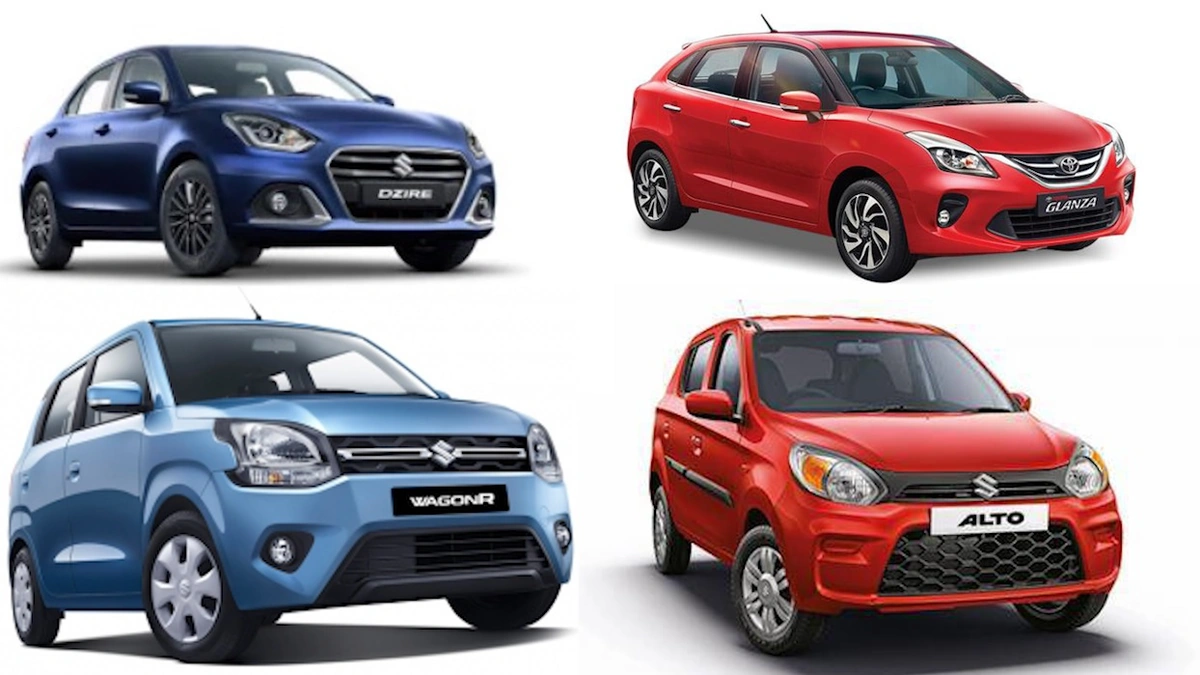
When we talk about fuel efficient hatchback cars in India , certain names instantly spring to mind. Maruti Suzuki, for instance, has practically built its empire on this very principle. Models like the Swift, Baleno, and Wagon R consistently lead the charts, year after year. But it’s not just Maruti; Hyundai with its Grand i10 Nios and i20, and Tata Motors with the Tiago, have also made significant strides. What do these contenders teach us? They show that a holistic approach is key. It’s not just about the engine; it’s about the entire package – a lightweight chassis, smart gearing, refined engines, and even efficient AC systems. These are the unsung heroes of daily commutes, silently saving us money and making our lives a little easier. They set the benchmark for what Indian consumers expect from their vehicles, driving continuous innovation in the segment. For more on specific models, you might want to explore dedicatedhatchback categories.
Smart Habits, Smarter Savings | Maximizing Your Hatchback’s Potential
Here’s a little secret: even the most fuel-efficient car can be a fuel guzzler if not driven correctly. It’s not just about the car; it’s about the driver too. Adopting small car efficiency tips can significantly boost your vehicle’s real-world mileage. Gentle acceleration, anticipating traffic, avoiding sudden braking, and maintaining a steady speed are golden rules. Regular maintenance, keeping tire pressures at recommended levels, and servicing your engine as per schedule are non-negotiable. Even seemingly minor things, like not overloading your car or removing unnecessary roof racks, can make a difference.
And looking ahead, understanding hatchback market trends can help you make a future-proof decision. With electric vehicles slowly gaining traction and hybrid technologies becoming more accessible, the definition of ‘fuel efficiency’ might evolve. But for now, and for the foreseeable future, the internal combustion engine hatchback, optimized for mileage, remains king in India. It’s a segment that reflects the pragmatic, value-conscious spirit of the Indian consumer, always seeking that sweet spot between utility and economy. These insights, I believe, are vital for anyone embarking on a car buying guide India journey.
Frequently Asked Questions About Fuel-Efficient Hatchbacks
What makes a hatchback fuel-efficient?
A combination of factors contributes, including a smaller, optimized engine (often petrol), lightweight construction, aerodynamic design, and efficient transmission systems like manual or well-tuned AMTs/CVTs. Modern engine technologies such as variable valve timing also play a crucial role in maximizing combustion efficiency.
Are petrol hatchbacks more fuel-efficient than diesel ones now?
Historically, diesel cars offered better mileage. However, with stricter emission norms and advancements in petrol engine technology, the gap has significantly narrowed. For many buyers, especially those with lower daily running, petrol hatchbacks now offer competitive fuel efficiency with lower maintenance costs and cleaner emissions.
What’s the average mileage I should expect from a good fuel-efficient hatchback in India?
While official ARAI figures often range from 20-25 km/l (or even higher for some models), real-world mileage can vary. Expect anywhere between 16-22 km/l, depending on driving conditions (city vs. highway), driving style, and maintenance. Always consider real-world user reviews alongside official figures.
How can I improve my car’s fuel efficiency?
Several practices can help: drive smoothly without sudden acceleration or braking, maintain correct tire pressure, service your car regularly, avoid unnecessary idling, use the air conditioner judiciously, and keep your car’s weight to a minimum by removing unused items.
Are fuel-efficient hatchbacks safe?
Absolutely. Modern fuel-efficient hatchbacks are built to rigorous safety standards, often featuring robust body structures, airbags, ABS with EBD, and sometimes even electronic stability control (ESC). Fuel efficiency does not come at the expense of safety in reputable brands; rather, it’s about smart engineering.
Which are some of the top fuel efficient cars 2024 in the hatchback segment?
While specific rankings can shift, models like the Maruti Suzuki Celerio, Wagon R, Swift, Baleno, Hyundai Grand i10 Nios, and Tata Tiago consistently feature among the top contenders for their impressive mileage figures and overall value proposition for Indian buyers.
The Bottom Line | More Than Just Miles Per Litre
So, there you have it. The Indian love affair with fuel efficient hatchback cars in India is far from superficial. It’s rooted in deep economic realities, a growing environmental consciousness, and the practical demands of navigating our unique urban landscapes. It’s about smart design meeting everyday needs, about engineers pushing boundaries to deliver more for less. Ultimately, it’s not just about a higher number on the dashboard; it’s about freedom from constant fuel anxiety, about making a responsible choice, and about ensuring that our beloved cars continue to be enablers of dreams, not drains on our resources. It’s a testament to our ingenuity and our pragmatism, and frankly, that’s a story worth understanding.