
 By Car gamerewardz
Ah, the allure of an SUV! That commanding presence, the elevated driving position, the promise of tackling anything our diverse Indian landscape throws at you. It’s no wonder they’ve become the go-to choice for so many families and adventurers across the country. But here’s the thing, while we often obsess over features like touchscreen infotainment, sunroofs, or even the horsepower figures, there’s one crucial specification that often gets overlooked, yet it quietly holds the key to your SUV’s true capability and longevity on Indian roads: ground clearance .
Let’s be honest, how many of us genuinely dive deep into an SUV ground clearance comparison before making that big purchase? Most people glance at the number, perhaps compare it superficially, and move on. But for anyone driving in India, understanding this metric isn’t just a technicality; it’s a necessity. It’s the difference between a smooth, confident journey and the cringe-inducing scrape of your car’s underbelly on an unexpected pothole or an unforgiving speed breaker. What fascinates me is how this single dimension impacts everything from your vehicle’s off-road performance to its basic survival in urban jungles. So, grab a cup of chai, because we’re about to unpack why this number is far more important than you think.
Beyond the Brochure | The Realities of Indian Roads and Your SUV
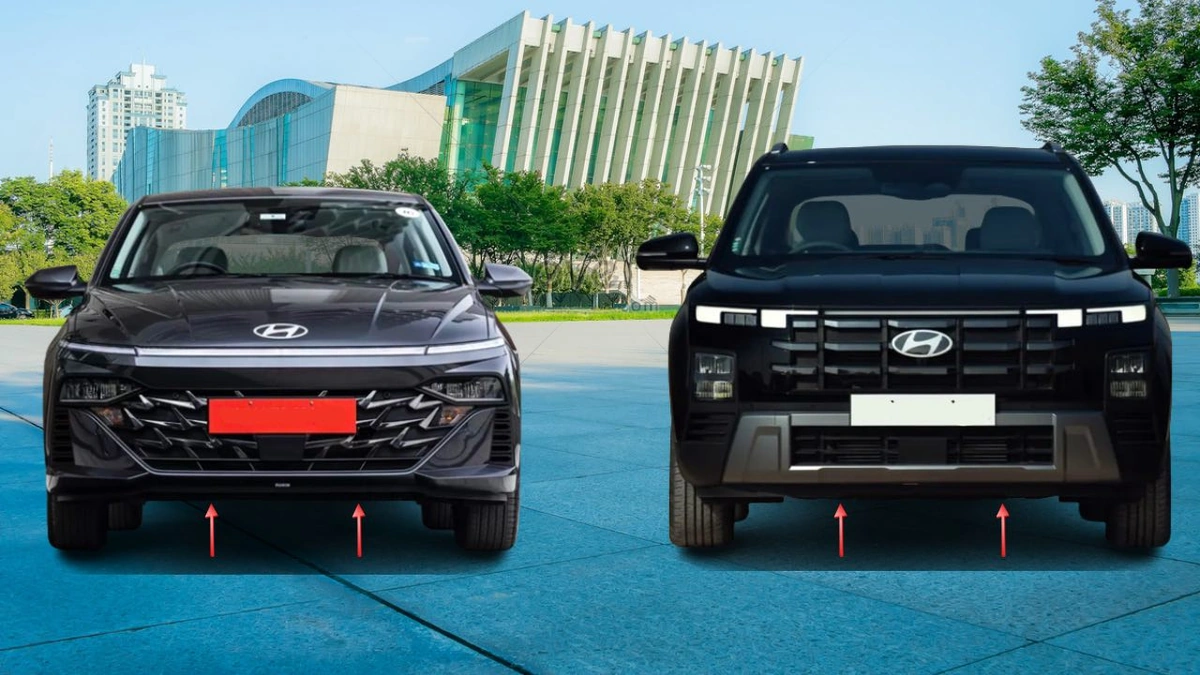
India’s roads are, shall we say, a symphony of unpredictability. One moment you’re cruising on a pristine highway, the next you’re navigating a lunar landscape of craters, unannounced diversions, and speed breakers that seem designed by a mischievous deity. This is where the true test of any vehicle, especially an SUV, begins. While a high ground clearance number looks great on paper, the practical implications on actual Indian road conditions are profound.
Think about it. Those massive, unmarked speed breakers that appear out of nowhere? The sudden dips and rises on rural paths? The waterlogged streets during monsoon season? These aren’t just minor inconveniences; they’re genuine threats to your vehicle’s structural integrity. A low ground clearance means you’re constantly on edge, slowing to a crawl, zig-zagging to avoid obstacles, and often, still hearing that dreadful scrape. This isn’t just an annoyance; it causes wear and tear to vital components under your vehicle, leading to expensive repairs down the line. It impacts your driving comfort significantly, making every journey a tense negotiation rather than a relaxed cruise.
I’ve seen countless cars, even some that claim to be SUVs, suffer damaged oil sumps, bent exhaust pipes, and cracked bumpers simply because their owners underestimated the brutal reality of our roads. It’s not just about getting stuck; it’s about the cumulative damage that shaves years off your vehicle’s life and empties your wallet prematurely. The ‘Why’ here is simple: Indian roads demand a specific type of resilience, and much of that resilience comes from adequate clearance.
Decoding the Numbers | What “Ground Clearance” Really Means (and What to Look For)

So, what exactly is ground clearance ? In simple terms, it’s the shortest distance between the lowest point of your vehicle’s chassis (excluding the tires, wheels, brakes, and mudflaps) and the ground. Most manufacturers quote a ‘static’ ground clearance, which is measured when the vehicle is empty. But here’s the kicker: load up your SUV with five passengers and a boot full of luggage, and that number drops. Significantly. This is ‘loaded ground clearance’, and it’s often the one that matters most in real-world scenarios.
But wait, there’s more to the story than just a single number. For true off-road performance and navigating tricky terrain, you also need to consider other geometric parameters:
- Approach Angle: This is the maximum angle of a ramp that a vehicle can climb without its front bumper touching. Great for climbing steep inclines or overcoming sudden obstacles.
- Departure Angle: Similarly, this is the maximum angle of a ramp that a vehicle can descend without its rear bumper touching. Crucial when exiting a dip or clearing a high edge.
- Ramp Breakover Angle: This measures the maximum angle of a speed bump (or crest) that a vehicle can drive over without its underbody touching. Often overlooked, but vital for those spine-jarring speed breakers.
These angles, combined with the primary ground clearance, paint a much clearer picture of an SUV’s capability. A vehicle with excellent ground clearance but poor approach and departure angles might still scrape its bumpers. Furthermore, the suspension setup plays a huge role. A soft suspension might offer a very comfortable ride, but it could sag more under load, effectively reducing your real-world ground clearance. A stiffer setup might feel a bit harsher, but it could maintain its height better over obstacles. It’s a delicate balance, and understanding these nuances is part of being an informed buyer, someone truly looking for the best SUVs in India for their needs.
The Hidden Costs of Low Clearance | More Than Just Scrapes
That disheartening thunk you hear when your SUV’s underbelly scrapes isn’t just an auditory assault; it’s a warning sign. The immediate damage might seem superficial, perhaps a scratch on the frame, but the cumulative impact can be severe and costly. What’s often hidden from plain sight is the potential damage to critical components. Your oil sump, exhaust system, fuel tank, and various sensors are all nestled underneath your vehicle, often with only thin sheets of underbody protection – or sometimes, none at all. A hard hit can lead to oil leaks, exhaust ruptures, or even damage to the fuel lines, posing significant safety risks and leading to expensive trips to the service center.
Beyond the mechanical woes, consider the impact on your peace of mind. Driving an SUV with inadequate clearance, especially during the monsoon driving season when potholes fill with water and become invisible traps, can be incredibly stressful. You’re constantly worried, your focus divided between the road ahead and the potential threats beneath. This psychological burden detracts from the joy of driving. Moreover, during heavy rains, a low ground clearance severely limits your water wading depth , increasing the risk of water entering the engine or electrical systems, which can lead to catastrophic damage.
This isn’t just about an SUV failing to be an `SUV`. It’s about your investment, your safety, and your everyday experience. Choosing an SUV without considering its practical clearance for `rough terrain driving` is like buying a waterproof jacket with a faulty zipper – it looks the part, but fails when you need it most. And if you’re exploring the broader world of cars, remember that understanding `car specifications explained` in depth can save you a lot of hassle, no matter if you are looking for an SUV in theSUV categoryor any other type of vehicle on theVGINIUS Car Portal.
Finding Your Perfect Match | An SUV Ground Clearance Comparison Guide for India
So, what’s the magic number for SUV ground clearance comparison in India? There’s no single, universally perfect figure, as it depends heavily on your primary use case. However, as a general rule of thumb:
- For Predominantly Urban Driving with Occasional Highway Trips: An SUV with 180mm to 200mm of ground clearance is generally sufficient. It will handle most speed breakers and minor undulations without much fuss.
- For Mixed Urban, Highway, and Frequent Rural/Semi-Rural Journeys: Look for SUVs in the 200mm to 220mm range. This provides a comfortable buffer for more challenging roads, allowing for better rough terrain driving capability.
- For Serious Off-Road Enthusiasts or Those in Very Remote Areas: If `off-road performance` is paramount, or if you regularly traverse extremely broken roads, target 220mm and above. These are typically the high ground clearance SUVs designed for proper adventure.
When you’re poring over an SUV buying guide , don’t just look at the highest number. Consider the vehicle’s wheelbase – a longer wheelbase can make an SUV with seemingly good ground clearance more prone to scraping its belly on sharp crests (remember the ramp breakover angle?). Also, tire size and profile can make a slight difference; taller sidewalls provide a little extra cushion and height, though not a substitute for inherent chassis design. Ultimately, the best way to evaluate an SUV’s suitability for `urban SUV considerations` versus rural challenges is to get a feel for its geometry.
I always recommend checking out independent reviews, perhaps from platforms likeAutocar India, which often test vehicles rigorously on local conditions. Their insights can be invaluable in understanding how a car actually performs beyond what the manufacturer’s spec sheet tells you. It’s about making an informed decision, one that ensures your SUV truly lives up to its promise of versatility on our unique roads.
Frequently Asked Questions About SUV Ground Clearance
Is more ground clearance always better for an SUV?
While often beneficial for tackling Indian roads and `rough terrain driving`, more ground clearance isn’t always ‘better’ in every aspect. Extremely high ground clearance can sometimes lead to a higher center of gravity, potentially affecting a vehicle’s handling dynamics, especially at higher speeds or around corners. It’s about finding the right balance for your specific driving needs and comfort.
What is a good ground clearance for Indian roads?
For comfortable and stress-free driving on varied Indian roads, including negotiating speed breakers and minor potholes, a ground clearance between 190mm to 210mm is generally considered very good. For those venturing into more challenging rural or unpaved terrains, 210mm and above offers superior capability and peace of mind.
Does ground clearance affect handling?
Yes, it can. Vehicles with higher ground clearance tend to have a higher center of gravity, which can result in more body roll during cornering or sudden maneuvers compared to a lower-slung vehicle. Modern SUVs, however, often incorporate sophisticated `suspension setup` and electronic stability systems to mitigate these effects, balancing `driving comfort` with dynamic stability.
How can I protect my SUV’s underbody?
Several measures can help protect your SUV’s underbody. The most common is installing an aftermarket engine guard or skid plate, which provides additional `underbody protection` for vital components. Driving cautiously over uneven surfaces, slowing down for speed breakers, and avoiding large potholes are also crucial preventative measures. Regular inspections for any damage are also recommended.
Do all SUVs have high ground clearance?
Not necessarily. While the term ‘SUV’ generally implies higher ground clearance than a sedan or hatchback, the actual numbers vary significantly across models. Some compact or urban SUVs might have clearances only marginally higher than regular cars, prioritizing fuel efficiency and on-road handling over extreme `off-road performance`. Always check the specific `car specifications explained` for any model you are considering.
Ultimately, choosing an SUV in India isn’t just about the badge or the bells and whistles. It’s about preparedness. It’s about understanding that our roads demand a certain level of robustness, and much of that comes down to a well-understood SUV ground clearance comparison . So, the next time you’re eyeing that shiny new vehicle, remember this conversation. Ask the deeper questions. Look beyond the superficial. Your wallet, your nerves, and your vehicle’s long-term health will thank you. Drive safe, drive smart, and may your undercarriage remain untouched!