
 By Car gamerewardz
Ah, the coupe! Just the word conjures images of sleek lines, a sporty stance, and that undeniable air of exclusivity. For many of us in India, it’s the poster car of a youthful dream, a symbol of freedom and flair. But here’s the thing: when you add “affordable” to “coupe cars in India,” that dream often bumps head-first into a very Indian reality. It’s like trying to find a unicorn that also fits into a budget parking spot. What fascinates me isn’t just that they’re rare, but why they’re so rare. Why does the Indian automotive market, booming as it is, seem to shy away from offering true, budget-friendly two-door vehicles?
Let’s be honest, the concept of an affordable coupe cars in India is almost an oxymoron. We’re talking about a demographic that prioritizes practicality, space, and fuel efficiency above almost all else. A coupe, by its very definition, is a compromise on space for the sake of style and, often, performance. So, what exactly are we looking for when we type “affordable coupe cars in India” into a search bar? Are we hoping for a hidden gem, or perhaps, subconsciously, are we redefining “coupe” to fit our market? I initially thought this was straightforward, but then I realized the conversation is much deeper, touching upon consumer aspirations, manufacturing strategies, and even a bit of our collective car-buying psychology.
What Even Is an “Affordable Coupe” in India?

Before we dive into the deep end, let’s define our terms. Traditionally, a coupe is a two-door car with a fixed roof and a sporty profile. Think of classic European or Americansports car enthusiastsmodels. But in India, that definition gets… fuzzy. A “coupe” here often means something with a sloping roofline, even if it has four doors. We see this with the rise of “coupe SUVs” or “fastback” sedans. A true two-door, no-frills, affordable coupe cars in India is virtually non-existent new. The closest we get are perhaps some modified hatchbacks or highly aspirational imports. The expectation of a low price point coupled with a distinct design philosophy usually clashes with the practicalities of our market.
The crucial distinction lies in the design philosophy . A coupe is built for form and driving dynamics; a budget car in India is built for function and family. Reconciling these two is where the challenge lies. We often conflate sporty looks with a coupe, leading to a hunt for something that simply isn’t manufactured for our price segment. It’s a common misconception, one that often leads to disappointment when people realize their options are either very expensive or not truly “coupes” in the traditional sense. So, if you’re dreaming of asleek two-door for under 10-12 lakhs, you’re likely entering a rather empty garage, figuratively speaking.
The Indian Equation | Why Coupes Struggle for the Budget Crown
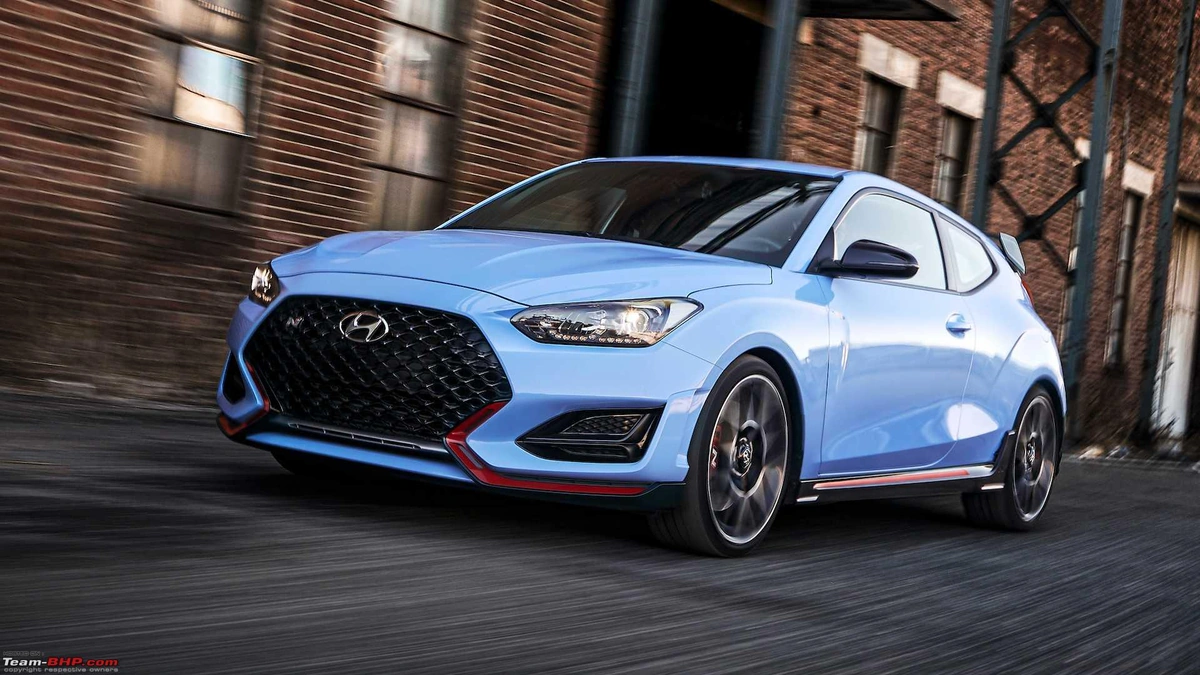
India’s automotive market is fascinatingly unique. Our car-buying decisions are heavily influenced by joint family structures, road conditions, and the ever-present question of resale value. A typical Indian family car needs to seat four comfortably (often five, if we’re being realistic), handle varied terrain, and be kind to the wallet at the fuel pump. A two-door vehicle, by its very nature, sacrifices rear-seat practicality and luggage space, which are top priorities for the average Indian buyer. This immediately pushes traditional coupes into a niche, luxury category.
Manufacturers understand this. Building a low-volume, specialized two-door car specifically for the Indian market would involve significant R&D costs that simply wouldn’t be recouped by sales. The value proposition for a mass-market coupe just isn’t there. We see this reflected in the sales charts: hatchbacks and SUVs dominate. Even compact sedans are more popular than any form of two-door car. The perception of a coupe here is inherently tied to luxury and performance, making it difficult for an “affordable” version to fit into consumer expectations without feeling compromised or losing its inherent appeal as a stylish statement .
Moreover, the higher taxes on imported vehicles and performance cars further inflate prices, meaning that even if a global automaker did have an entry-level coupe, it would likely become cost-prohibitive once it hit Indian shores. This is why we largely miss out on many exciting compact sports cars India or “budget 2 door cars India” options available in other developed markets. The ecosystem isn’t built to support them at an accessible price point, making the search for an entry-level luxury coupe India feel like a wild goose chase. The focus remains on family-friendly cars, leaving true driving experience for a select few.
Beyond the Hype | The “Coupe-SUV” & Fastback Trend
Now, this is where things get interesting, and perhaps a little confusing. While true two-door coupes remain elusive, India is embracing the “coupe-like” aesthetic. The rise of the coupe SUV India is a prime example. Manufacturers like Tata, Mahindra, and Maruti Suzuki are pushing models that boast a sloping roofline, giving them a sporty, dynamic appearance without sacrificing the practicality of four doors and higher ground clearance. These vehicles attempt to offer a blend of practicality and “premium design” that resonates with Indian buyers who want something stylish but still functional.
Take the Tata Curvv, for instance, or even the Hyundai Creta N Line. They offer a taste of that sleek, flowing silhouette without forcing buyers to commit to a two-door setup. These are often branded as “fastback cars India” or given similar evocative names to capitalize on the desire for something unique. While not true coupes, they represent an evolution in what “sporty” and “stylish” mean in the Indian context. They fulfill a desire for something different, something with a bit more flair than the standard SUV, yet they still fit the multi-purpose criteria essential for the market. They tap into the aspirational segment without breaking the bank for what would traditionally be considered a niche product.
However, it’s crucial to understand that these are not performance cars in the traditional coupe sense. Their primary appeal is visual. They offer the look of a coupe combined with the utility of an SUV or sedan. It’s a clever market adaptation, but it underscores the ongoing challenge of bringing a genuinely affordable, pure-bred coupe to India. It’s about meeting consumer desires halfway, rather than a full commitment to the coupe form factor.
The Pre-Owned Paradox | Your Best Bet for a Two-Door Dream?
If your heart is truly set on owning a two-door coupe without emptying your life savings, the pre-owned market might be your best bet. This is where you might find some older models, perhaps a Volkswagen Polo GT (though a hatchback, its performance aspect sometimes draws comparisons), or even a used luxury coupe that has depreciated significantly. Brands like BMW, Mercedes-Benz, and Audi do offer stunning coupes, but new, they come with eye-watering price tags.
On the used car market, a 5-7 year old premium coupe could potentially fall into a price bracket that, while still not “cheap,” is certainly more accessible than buying new. However, be warned: maintenance costs for such vehicles can be substantial, and finding parts or specialized mechanics can be a challenge outside metropolitan areas. This is where experience comes in; a common mistake I see people make is only looking at the purchase price and not factoring in the long-term running costs. It’s a trade-off: exotic appeal versus practical ownership. It requires careful research and a trusted mechanic who understands premium, imported vehicles. But for some, the allure of a genuine coupe, even a pre-owned one, is worth the effort for that pure driving experience .
I would advise anyone considering this route to thoroughly inspect the vehicle’s history, service records, and get a comprehensive pre-purchase inspection from an independent specialist. Sometimes, what seems like a great deal on an entry-level luxury coupe India can turn into a financial black hole if not approached with caution.
Looking Ahead | Is India Ready for the True Budget Coupe?
So, what’s the future for affordable coupe cars in India ? Honestly, it’s a bit foggy. The trends suggest that while the visual appeal of a coupe is growing, the functional compromises of a true two-door are still a hard sell for the mass market. The focus will likely remain on four-door “coupe-SUVs” and “fastback” sedans that blend styling with practicality. Unless there’s a massive shift in consumer priorities or a groundbreaking, ultra-compact, ultra-affordable two-door emerges (think a modern-day Maruti 800 with two doors and a sleek roofline, which sounds like science fiction!), the dream of a widely available budget coupe will remain just that: a dream.
The rise of electric vehicles could offer a new pathway, as EVs allow for more flexible design choices. Perhaps we’ll see some innovative electric two-door vehicles that challenge traditional notions of space and practicality. For now, if you’re chasing that distinct coupe silhouette, you’ll either need to stretch your budget significantly for a luxury model, embrace the four-door coupe-SUV trend, or delve into the pre-owned market with your eyes wide open. The journey for an affordable coupe cars in India is less about finding a specific model and more about understanding the market’s evolving definition of style and practicality.
VisitCar gamerewardzfor more insights into the Indian automotive landscape and discover various car categories that might just surprise you!
Frequently Asked Questions about Affordable Coupe Cars in India
What is considered an “affordable” coupe in India?
In the Indian context, a truly “affordable” coupe (under ₹15-20 lakhs) in the new car market is virtually non-existent. Most traditional two-door coupes are in the luxury segment, starting much higher. What’s often perceived as affordable are “coupe-SUVs” or fastback sedans with sloping rooflines, which offer the aesthetic but retain four doors.
Why are there so few genuine two-door coupes available in India?
The Indian market prioritizes practicality, space, and fuel efficiency. Two-door coupes sacrifice rear-seat space and are generally seen as niche, lifestyle products. Manufacturers find it difficult to justify the R&D and production costs for a low-volume product that wouldn’t appeal to the mass market at an affordable price point. The market prefers multi-purpose vehicles like SUVs and sedans.
Are “coupe-SUVs” the same as traditional coupes?
No, not in the traditional sense. Coupe-SUVs are essentially SUVs with a more steeply raked, sloping roofline, designed to mimic the sporty look of a coupe. They still retain four doors and often the higher ground clearance of an SUV, offering a blend of style and practicality rather than the pure form and driving dynamics of a two-door coupe.
Can I find an affordable pre-owned coupe in India?
Yes, the pre-owned market offers a better chance of finding a two-door coupe at a more accessible price point. Older luxury coupes from brands like BMW or Mercedes-Benz, which have depreciated over time, might fit the bill. However, be mindful of potentially high maintenance costs and the availability of parts for such vehicles.
What are some popular “fastback” cars available in India?
While not strictly coupes, popular “fastback” style cars in India include models like the Tata Curvv (upcoming), Hyundai Creta N Line, or certain compact sedans with a flowing roofline design. These vehicles aim to provide a sporty aesthetic without compromising on practicality, making them a popular choice for those seeking a stylish statement without a true two-door commitment.
Will electric vehicles bring more affordable coupes to India?
It’s possible. The flexibility in design that EV platforms offer could potentially lead to more diverse body styles, including compact, stylish two-door electric vehicles. However, this would still depend on market demand, manufacturing strategies, and how “affordable” the overall EV ecosystem becomes in India.