
 By Car gamerewardz
Ah, the two-door car. Just the phrase conjures images of sleek lines, a sporty stance, and an undeniable sense of freedom. Globally, these machines – be theycoupe cars, roadsters, or hot hatchbacks – represent a certain joie de vivre, a statement of personal style and driving pleasure. But here in India? Let’s be honest, spotting a genuine 2 door car in India on our bustling roads feels like finding a unicorn at a local chai stall. It’s rare, it’s intriguing, and it definitely makes you wonder: why isn’t this segment thriving in a market as vast and diverse as ours?
I’ve always been fascinated by the paradox of the Indian automotive market. On one hand, we embrace innovation and demand value; on the other, certain global trends just don’t seem to land. And the two-door car is perhaps the clearest example of this. It’s not just about affordability, though that’s a huge piece of the puzzle. It’s about a deeply ingrained cultural and practical mindset that often prioritizes family, utility, and (let’s face it) the ability to cram in just one more relative for that weekend trip.
So, instead of just listing the few 2-door models available, let’s dive deeper. Let’s unpick the ‘why,’ understand the unique challenges these cars face here, and perhaps, appreciate the brave few that do grace our streets. Because there’s a fascinating narrative beneath the surface, one that tells us a lot about India’s evolving relationship with automobiles.
The Indian Dream vs. The Two-Door Reality | Why We Don’t See More
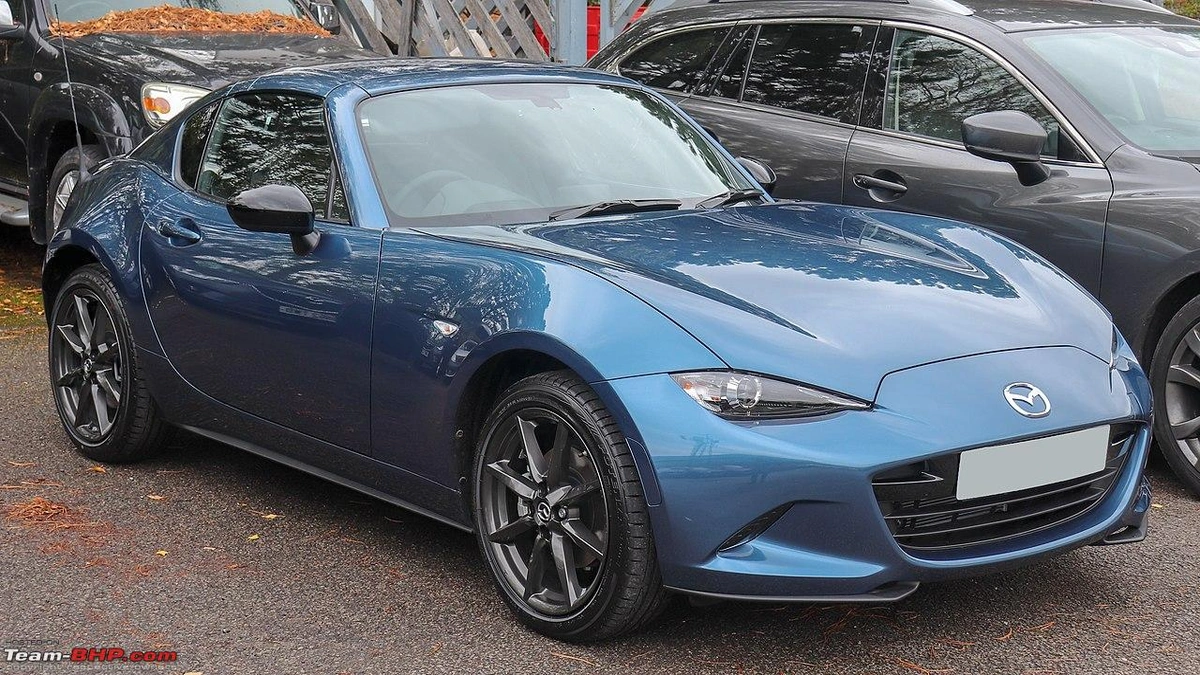
Here’s the thing about car ownership in India: for the longest time, and still largely today, a car is not just a personal conveyance. It’s an extension of the family, a symbol of progress, and often, the primary mode of transport for multiple people. When you’re spending a significant amount of your hard-earned money, the first question isn’t usually, “How fast can it go?” or “How striking does it look?” It’s almost invariably, “How many can it seat comfortably?”
This fundamental difference in perception explains a lot about why 2 door cars are not popular in India . A typical Indian household car needs to ferry kids to school, grandparents to temple, and still have space for groceries or luggage. A two-door vehicle, by its very design, shouts ‘personal’ and ‘niche,’ rather than ‘family’ and ‘utility.’ This isn’t a criticism; it’s a reflection of practical needs in a country where public transport infrastructure, while improving, isn’t always comprehensive, and car ownership often substitutes for it.
I mean, think about it: the very act of getting into the rear seats of a two-door car requires a certain athleticism, a ‘fold-and-slide’ maneuver that simply doesn’t gel with our collective preference for easy ingress and egress. For the average Indian buyer, the perceived inconvenience of fewer doors far outweighs the aesthetic appeal. And that’s a tough battle for any design philosophy to win.
More Doors, More Value? Understanding the Indian Buyer’s Mindset
The Indian automotive market is incredibly value-sensitive. Every rupee spent is scrutinized, and buyers are looking for maximum utility, comfort, and space. This is where the four-door sedan, hatchback, and now, the SUV, truly shine. They offer versatility, better resale value due to wider appeal, and often, more robust build quality suited to our diverse road conditions.
A two-door car, by its nature, is often seen as a compromise onpracticality. It typically offers less passenger space (especially in the rear), smaller boot capacity compared to a similarly sized four-door, and can be trickier to navigate and park in tight urban spots where visibility might be slightly compromised due to larger pillars. These aren’t trivial concerns; they’re daily realities for millions of drivers.
Moreover, the pricing structure for 2 door cars in India generally places them in a premium or luxury segment. When you’re paying a premium, buyers expect premium features and premium utility. A sports car, for instance, might offer incredible driving experience , but for many, it can’t justify its price tag if it can’t double up as a semi-practical daily driver or weekend family hauler. This makes the niche segment for two-door vehicles incredibly small, often limited to enthusiasts or those who already own a primary multi-purpose vehicle.
The Niche Allure | Where Do 2-Door Cars Find Their Roost in India?
Despite the prevailing winds, two-door cars aren’t entirely absent. They exist, but almost exclusively in the aspirational and luxury segment . We’re talking about models that are bought for passion, for statement, and for an unparalleled driving experience, rather than pure utility. This is wheresports carsand high-endcoupe carstruly shine.
Think about the Mini Cooper 3-door, which, despite its compact size, offers a distinct, fun-to-drive experience. Or the truly exquisite offerings from brands like Porsche, Ferrari, and Lamborghini. These are not cars bought for their door count, but for the badge, the performance, the exclusivity, and the sheer joy of driving. They cater to a very specific, affluent demographic that prioritizes performance and design above all else, and often owns multiple vehicles.
We’ve also seen some iconic imports make a splash, even if briefly. The Ford Mustang, for example, garnered immense attention when it was officially launched here. It was a proper muscle car, a two-door icon, and its presence stirred the hearts of many an automotive enthusiast. Similarly, models like the Audi A5 Coupe or BMW 4 Series Coupe have made fleeting appearances, catering to those who desire a blend of luxury and sporty aesthetics. While the discussion around sports cars in India under 50 lakhs often leads to powerful sedans or SUVs, true 2-door sports cars largely remain above that threshold, reinforcing their exclusive status.
Beyond the Coupe | Convertible and Compact 2-Door Options
While coupes are the most common form of two-door cars, there’s also the romantic allure of convertible cars India . Imagine cruising down a coastal highway with the wind in your hair! It sounds idyllic, doesn’t it? Yet, convertibles face even more unique challenges here. The dust, the heat, the pollution, and the general lack of secure parking often make the practicality of an open-top car questionable for many. They are truly for the dedicated enthusiast, a weekend indulgence rather than a daily driver.
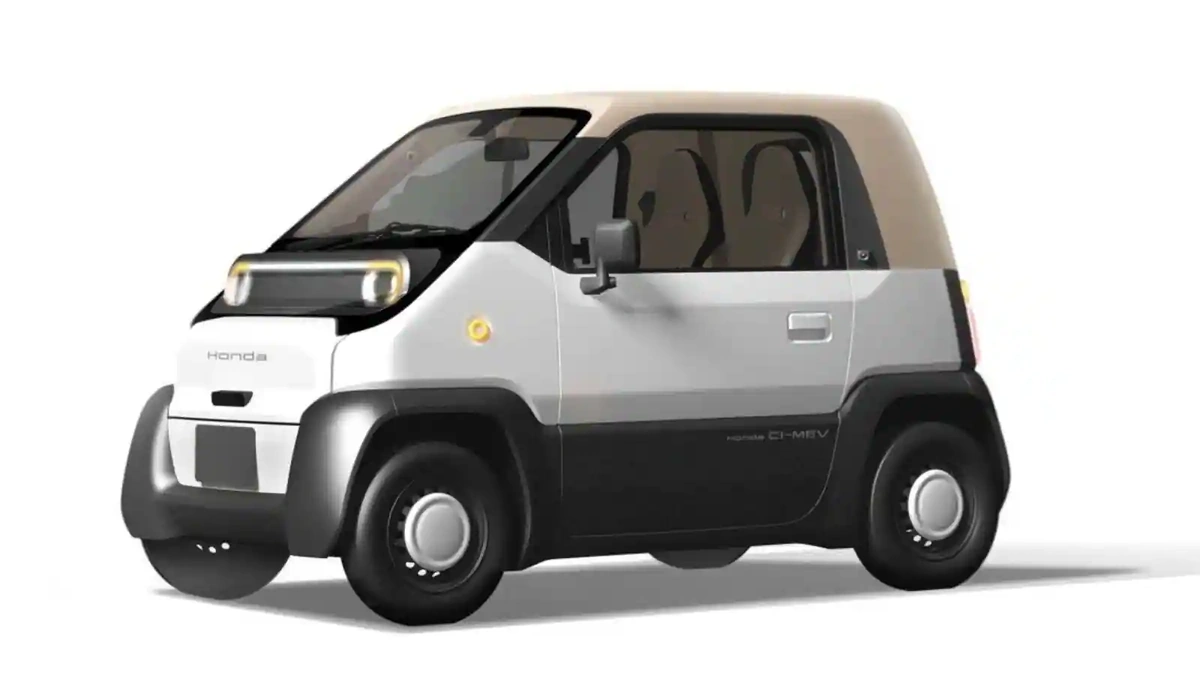
Then there’s the idea of compact 2 door cars India . Globally, you have cute, practical 2-door city cars like the Smart Fortwo or the original Fiat 500. In India, however, our compact segment, driven by tax benefits and the need for maximum internal space, invariably gravitates towards four doors. Even the Maruti 800, which started life in an era of fewer options, quickly settled into its four-door avatar. The market simply demands easier access for more people, even in the smallest footprints. So, while the idea of a tiny, nimble two-door for urban commutes sounds appealing on paper, it rarely translates to commercial success here.
My initial thought was that a small 2-door would be perfect for city traffic. But then I realized, even in a compact package, the Indian buyer still needs to occasionally pick up a friend or ferry a relative, and a 4-door simply makes that process frictionless. It’s a subtle but significant distinction that shapes manufacturing decisions.
The Future of Two Doors on Indian Roads | A Glimmer of Hope?
So, what does the future hold for 2 door cars in India ? Honestly, it’s a slow burn, not a revolution. As disposable incomes rise, as cities expand, and as a younger demographic increasingly prioritizes personal expression and lifestyle choices, there might be a gradual shift. We’re already seeing a diversification in the kinds of cars people buy, with SUVs gaining immense popularity for both their practicality and aspirational value.
TheIndian automotive marketis maturing. There’s a growing segment of buyers looking for something beyond just basic transport. The introduction of more electric vehicles could also play a role, as design often takes a front seat in these futuristic offerings, potentially paving the way for more striking two-door designs. However, the fundamental challenges of road infrastructure, parking, and the cultural emphasis on multi-person utility will likely keep two-door cars as a distinct, premium, and relatively small segment.
For those who do indulge, these cars offer an unparalleled connection to the road and a statement of individuality. They are the dream cars, the weekend warriors, the machines that ignite passion. While the mainstream might continue to opt for practicality, the allure of iconic models with just two doors will always find its dedicated followers, willing to pay the premium for that unique driving experience and the sheer joy they bring. Perhaps the future will bring more accessible options, but for now, they remain a beautiful, aspirational rarity.
FAQs | Unlocking the Mystery of 2-Door Cars in India
Are 2-door cars practical for Indian families?
Generally, no. For most Indian families, a car needs to comfortably seat multiple passengers and offer ample luggage space, making 4-door sedans, hatchbacks, or SUVs more practical choices due to easier access and versatility.
Which 2-door cars are available in India right now?
Currently, the market for genuine 2-door cars in India is dominated by luxury and performance brands. You’ll find options from Mini (e.g., Mini Cooper 3-door), Porsche (e.g., 718 Cayman/Boxster), BMW (e.g., Z4), and high-end models from Ferrari, Lamborghini, etc. Availability can fluctuate based on import policies and manufacturer strategies.
What’s the price range for 2-door sports cars in India?
The price for 2-door sports cars in India typically starts from around INR 40-50 lakhs for entry-level premium models and can easily go into several crores for high-performance luxury sports cars. The coupe cars India price varies wildly based on brand, performance, and import duties.
Why are convertibles not more common in India?
Convertibles face challenges in India due to factors like high levels of dust and pollution, intense heat for most of the year, security concerns for soft-top models, and the general preference for closed, air-conditioned environments. They remain a niche, aspirational purchase.
Is it difficult to get spare parts for 2-door luxury cars in India?
For established luxury brands with an official presence in India, spare parts are generally available, though they might be more expensive and sometimes require longer lead times compared to mass-market cars. For very rare or classic imported models, sourcing parts can be more challenging and costly.