
 By Car gamerewardz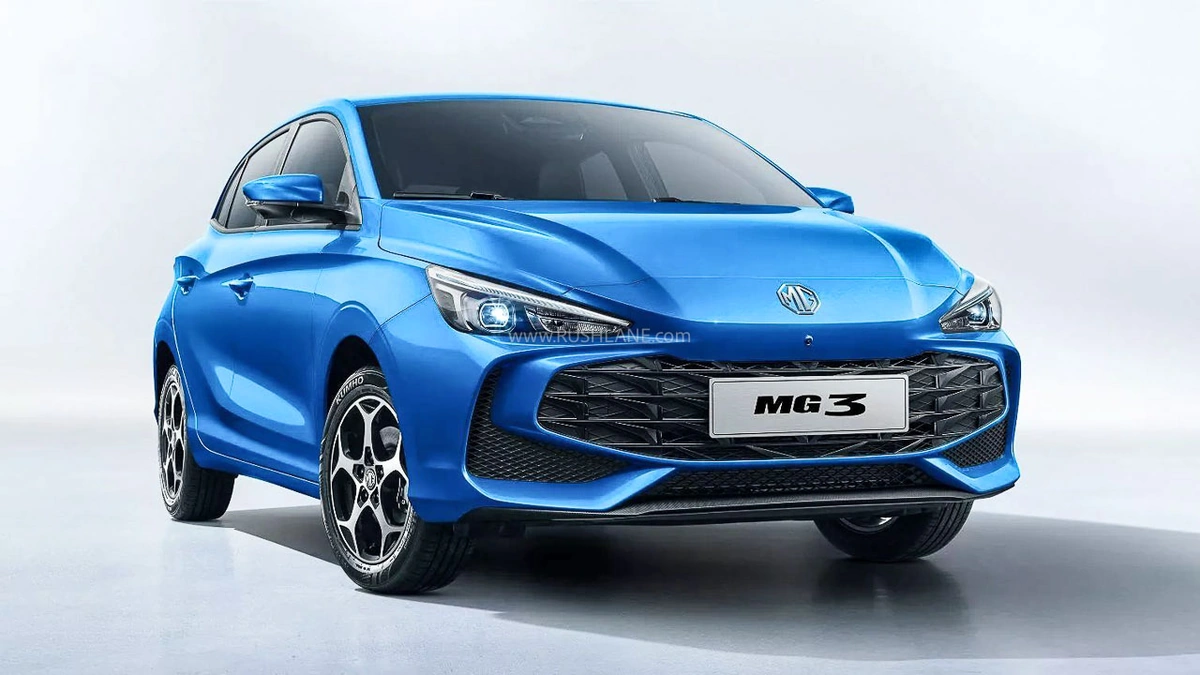
Here’s the thing: if you’ve been keeping an eye on the automotive landscape in Europe, you’ll have noticed a quiet revolution happening right under our noses. It’s not about flashy supercars or gargantuan SUVs (though they have their place, I suppose). No, the real story, the one impacting millions of daily commuters and budget-conscious families, is the unstoppable rise of the best hybrid hatchback cars Europe mileage champions. But why now? What’s driving this shift, and more importantly, what does it mean for your wallet and the planet?
I initially thought this was just about environmental regulations, which, let’s be honest, play a huge role. But then I realized it’s far deeper. It’s about urban congestion, the relentless climb of fuel prices, and a growing desire for smart, sustainable living without compromising on practicality. Europe, with its dense cities and diverse driving conditions, has become a hotbed for innovation in this segment. And for good reason.
The European Drive | Why Hybrids Are Taking Over
Think about it. European cities are often ancient, with narrow streets and limited parking. A huge, thirsty SUV just doesn’t make sense for many urban commuters . This is where the compact, agile hatchback has always shone. Now, add a sophisticated hybrid powertrain into the mix, and you’ve got a recipe for success. These aren’t just cars; they’re a response to evolving needs, designed to navigate cityscapes efficiently while offering respectable performance on the autobahn or motorway.
The ‘why’ here is multifaceted. Firstly, governments across the continent are pushing hard for lower emissions. Strict EU emissions standards mean manufacturers have to innovate. A hybrid system, combining a traditional petrol engine with an electric motor , significantly reduces CO2 output and local pollutants, especially in stop-start traffic. This isn’t just a tick-box exercise; it’s a fundamental shift in automotive engineering. Secondly, the cost of living, particularly fuel, is a constant concern. Drivers are actively seeking ways to reduce their running costs . This is precisely where the superior Europe mileage of these vehicles comes into play.
What fascinates me is how these European hybrid hatchbacks manage to squeeze so much out of every drop of fuel. It’s not magic, but clever engineering: regenerative braking, efficient engine management, and the ability to run on electric power alone for short bursts. This translates directly into phenomenal fuel economy , making them incredibly attractive to those who clock serious miles, whether for work or leisure.
Beyond the Brochure | Real-World Mileage Explained
Now, let’s be honest, manufacturer figures can sometimes feel like a distant dream. “Up to X km/l!” they proclaim. But what does that mean in the real world? For compact hybrid cars, especially hatchbacks, the real magic happens in urban environments. Because they spend more time braking and accelerating at lower speeds, the regenerative braking system gets more opportunities to recharge the battery, allowing the electric motor to do more work. This is a crucial distinction. On a long, steady motorway cruise, the benefits are still there, but less pronounced than in city traffic.
A common mistake I see people make is comparing these figures directly to a diesel car’s motorway efficiency. While diesels traditionally excelled on long runs, hybrids truly shine in mixed driving conditions, especially for urban driving hybrids . This is where you’ll see the most significant difference in your fuel bill. Many drivers report achieving figures very close to, or even exceeding, the official WLTP (Worldwide Harmonized Light Vehicles Test Procedure) ratings, particularly if they adapt their driving style to maximize electric-only operation. It’s all about understanding how the hybrid system works and letting it do its job.
For anyone considering making the switch, understanding this nuance is key. You’re not just buying a car; you’re investing in a particular type of fuel efficiency Europe demands, one that rewards thoughtful driving and tackles the specific challenges of European roads. The initial purchase price might be slightly higher than a conventional petrol equivalent, but the long-term savings hybrid cars offer often outweigh this. You can compare this to the decision-making process when considering anautomatic hatchback cars UK budget, where initial cost versus long-term convenience and efficiency is a critical factor.
Top Contenders | Who’s Winning the Efficiency Race?
So, who are the players leading the charge in the best hybrid hatchback cars Europe mileage stakes? While the market is constantly evolving, a few names consistently rise to the top, becoming synonymous with eco-friendly vehicles that don’t compromise on practicality or driving pleasure.
Brands like Toyota, with their pioneering hybrid technology, are often at the forefront. Models like the Yaris Hybrid or Corolla Hybrid are perennial favorites, known for their bulletproof reliability and impressive real-world fuel economy . Their systems are refined, seamless, and incredibly efficient, especially for those looking to minimize their trips to the pump.
Then there are the European manufacturers who have embraced hybridisation with their own distinct flavors. Renault’s Clio E-Tech Hybrid and Honda’s Jazz e:HEV are excellent examples, offering clever packaging and competitive mileage figures. Even premium brands are getting in on the act, demonstrating that efficiency doesn’t have to mean sacrificing luxury or performance. The market is constantly innovating, with new models and technologies emerging rapidly, as highlighted by leading automotive publications likeAutocar Europe. As per the latest data from theEuropean Environment Agency, the trend towards lower CO2 emissions is clear, with hybrids playing a significant role.
Choosing the “best” really depends on individual priorities – is it outright maximum mileage, a blend of performance and efficiency, or specific features? But one thing is for sure: the competition is stiff, and that’s great news for consumers. More choice means more innovation and ultimately, better cars.
The Long-Term Game | Running Costs and Resale Value
Beyond the immediate fuel savings, there’s a broader financial picture to consider. When we talk about hybrid car running costs , we’re not just talking about petrol. We’re talking about maintenance, road tax, and crucially, depreciation. In many European countries, hybrid vehicles benefit from lower road tax due to their reduced emissions. Insurance premiums can sometimes be slightly higher due to the complex technology, but this isn’t universally true.
What’s particularly appealing about these efficient hatchbacks is their strong resale value . As the market shifts towards greener, more economical vehicles, demand for well-maintained eco-friendly driving options remains high. This means that while your initial outlay might be a bit more, you’re likely to recoup a larger percentage of that investment when it comes time to sell. This is a stark contrast to how rapidly some other vehicle segments might depreciate, a factor many consider when looking at anSUV sedan resale value USA comparison.
It’s a smart investment, not just for your daily commute, but for your long-term financial planning. The reliability of modern hybrid systems has also improved dramatically, dispelling earlier concerns about battery longevity. Manufacturers now offer extensive warranties on hybrid components, adding another layer of trust and peace of mind.
Making the Switch | Is a Hybrid Hatchback Right for You?
So, after all this talk about why hybrid hatchback cars Europe are such a big deal, the question remains: is one right for you? If your driving primarily involves a mix of city and suburban roads, with occasional longer trips, then absolutely. The savings on fuel, the reduced environmental impact, and the sheer practicality of a compact car make a compelling case.
If you’re someone who drives almost exclusively long distances at high speeds, the benefits might be slightly less pronounced compared to a highly efficient diesel, but the gap is closing rapidly. However, for the vast majority of European drivers, a hybrid hatchback offers a near-perfect blend of efficiency, usability, and modern technology. It’s about making a conscious choice for smarter, more sustainable, and ultimately, more economical motoring.
The future of driving in Europe is undeniably green, and the hybrid hatchback is leading the charge, proving that you don’t need to sacrifice practicality for progress. It’s an exciting time to be behind the wheel, especially when you’re watching that mileage counter tick over with such satisfying slowness.
Frequently Asked Questions About Hybrid Hatchbacks
What does “hybrid” actually mean in a car?
A hybrid car combines a traditional internal combustion engine (usually petrol) with an electric motor and a battery. It can switch between running on electric power, petrol power, or a combination of both, optimizing for fuel economy and reducing emissions, especially in stop-start traffic.
Are hybrid hatchbacks more expensive to maintain?
Generally, no. While they have more components, modern hybrid systems are incredibly reliable. Many components, like brake pads, can last longer due to regenerative braking. Routine maintenance costs are often comparable to conventional petrol cars, and battery warranties are typically very long.
How do I get the best mileage from my hybrid hatchback?
To maximize your Europe mileage , drive smoothly, anticipate traffic, and try to use electric-only mode as much as possible, especially in urban areas. Gentle acceleration and maximizing regenerative braking (by easing off the accelerator rather than harsh braking) are key to boosting fuel efficiency Europe -wide.
Can hybrid hatchbacks run on electricity alone?
Yes, most modern compact hybrid hatchbacks can run on electric power alone for short distances and at lower speeds. This is particularly effective in urban driving, helping to reduce fuel consumption and local emissions significantly.
What’s the typical lifespan of a hybrid car battery?
Hybrid car batteries are designed to last the lifetime of the vehicle. Manufacturers typically offer extensive warranties, often 8-10 years or 160,000 km (100,000 miles), demonstrating confidence in their durability. Failures are rare, and degradation is usually very gradual over many years.