
 By Car gamerewardz
Alright, let’s talk shop. You’re building a business, maybe a thriving e-commerce venture, a bustling catering service, or a reliable logistics operation here in India. And at some point, you hit that crucial crossroads: “I need a cargo van for business .” Now, if you’re anything like me, your first thought might be to just pick the one that looks good or fits your immediate budget. But here’s the thing, my friend – choosing the right commercial van is less about just buying a vehicle and more about investing in a mobile extension of your entire operation. It’s a strategic decision that can either fuel your growth or, well, become a rather expensive headache down the line.
I’ve seen countless businesses make this leap, some soaring, others stumbling. And the difference? Often, it boils down to understanding the deeper ‘how’ behind selecting your transport. It’s not just about what’s available; it’s about what truly aligns with your unique needs, your growth trajectory, and even the narrowest lanes of your delivery routes. So, grab a cup of chai, and let’s navigate this together, because I’m going to share the insights I’ve gathered from watching businesses succeed (and sometimes learn the hard way) in finding their perfect four-wheeled partner.
Beyond the Price Tag | Understanding Your Business’s True Needs
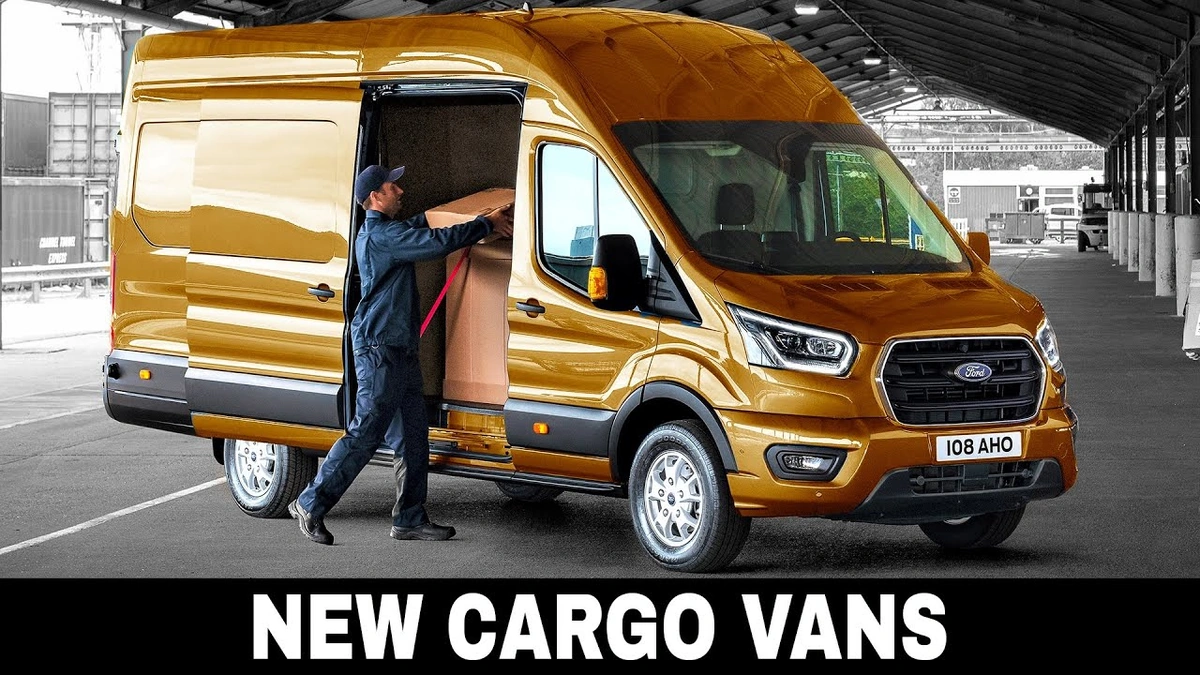
Let’s be honest, the sticker price is often the first thing that catches our eye. But focusing solely on that is like judging a book by its cover. A cargo van for business is a tool, and like any good tool, it needs to fit the job. What exactly is your job? This is where we start digging deeper. Are you ferrying light packages across the city, or heavy machinery between industrial zones? Do your deliveries involve navigating congested urban sprawls, or long-haul routes on national highways?
A common mistake I see people make is underestimating their future needs. Today, you might only need to transport a few boxes. But what about six months from now? A year? Your small business delivery van should have room to grow with you. Consider your typical load size, yes, but also think about the maximum load you might need to carry. This directly impacts thetype of vanand its crucial payload capacity. Overshooting your needs too much means higher initial costs and potentially lower fuel efficiency; undershooting means you’ll outgrow it quickly, leading to another expensive purchase much sooner than you anticipated. So, before you even glance at a brochure, draw up a clear picture of your operational requirements – current and aspirational.
Decoding the Specs | Payload, Volume, and Engine Smarts
Once you have a clearer idea of your needs, it’s time to dive into the nitty-gritty: the specifications. This is where expertise comes in, translating technical jargon into practical business benefits. The two titans here are payload capacity and cargo volume. Payload refers to the maximum weight your van can legally carry, including the driver, passengers, and cargo. In India, overloading can lead to significant fines and safety hazards, so never skimp on this. If you transport anything heavy – think appliances, construction materials, or even dense food items – a higher payload is non-negotiable.
Then there’s cargo volume, measured in cubic meters or cubic feet. This dictates how much space you have. Sometimes you need more space for bulky but light items (like floral arrangements or bakery goods), and sometimes less space but more weight capacity. Visualise your products inside the van. Will they stack easily? Do you need specific shelving or refrigeration? These questions guide your choice between compact vans, mid-size offerings, or even larger options like the popularForce TravellerorTata Acevariants that dominate the Indian market.
And let’s not forget the engine. The Indian market offers a range of diesel and petrol engines, with CNG options also gaining traction, especially for city-based operations due to lower running costs and environmental benefits. A powerful engine might seem appealing, but it often comes at the cost offuel efficiency. For continuous, stop-and-go city deliveries, a smaller, more efficient engine might be the smarter choice, saving you significant money on fuel over time. For longer hauls, a more robust engine that can handle highway speeds and inclines without strain is preferable. This isn’t just about horsepower; it’s about torque, which is crucial for carrying heavy loads efficiently.
The Unsung Heroes | Fuel Efficiency & Running Costs in India
This is where many businesses find their profit margins either expanding or shrinking dramatically. In India, with fluctuating fuel prices, fuel efficiency cargo van models are absolute game-changers. I can’t stress this enough: calculate the total cost of ownership (TCO) over the lifespan of the vehicle, not just the upfront price. TCO includes fuel, maintenance, insurance, financing costs, and even potential resale value.
Modern commercial vans often come with features designed to enhance fuel economy, such as start-stop technology, driver-assist systems, and lighter body constructions. Don’t just look at the manufacturer’s stated mileage; try to find real-world reviews or speak to other business owners using similar vehicles in comparable conditions. Remember, a van that costs ₹50,000 less upfront but consumes 2 kmpl more fuel will quickly become more expensive in the long run, especially if your business involves high daily mileage. This is pure business mathematics!
Beyond fuel, consider service and maintenance costs. Are spare parts readily available and affordable? Does the manufacturer have a widespread service network across India? A local mechanic might be able to fix simple issues, but for warranty-covered repairs or specific diagnostics, you’ll need reliable authorized service centers. Downtime means lost revenue, so swift and accessible service is critical for any business transport solutions .
Making It Yours | Customization and Future-Proofing
Your business is unique, and your cargo van for business should reflect that. This is where customization options come into play. Do you need specific shelving units for tools, racks for pipes, or temperature-controlled compartments for perishables? Many manufacturers and third-party outfitters offer tailor-made solutions. Investing in the right interior setup can dramatically improve efficiency, reduce damage to goods, and make your drivers’ lives easier. Think about internal lighting, secure tie-down points, and ergonomic access to cargo.
Also, consider the exterior. Branding your van isn’t just about looking professional; it’s free mobile advertising! A well-designed wrap can turn your van into a moving billboard, enhancing your brand visibility across every street and market you serve. When I talk about future-proofing, I mean selecting a vehicle that isn’t just adequate for today but can adapt to tomorrow’s demands. This might involve choosing a modular interior that can be reconfigured, or selecting a vehicle platform that supports technological upgrades like advanced telematics for fleet management. The right choice here can extend the usable life of your vehicle and save you from premature replacement costs.
Legal Eagle & Practicalities | Registration, Insurance, and Maintenance
Navigating the legal landscape for commercial vehicles in India can feel like a maze, but it’s essential to get it right from the start. Proper registration as a commercial vehicle, adherence to state-specific transport regulations, and securing appropriate insurance are non-negotiable. Don’t assume; consult with your dealer or a transport consultant about the specific requirements for your operational area and business type. For instance, specific permits might be needed for interstate travel or for transporting certain types of goods.
Insurance is another critical aspect of cargo van running costs. Commercial vehicle insurance premiums can vary widely based on the vehicle type, payload, area of operation, and add-ons like goods-in-transit coverage. Never skimp on comprehensive coverage; an accident or theft can cripple a small business. Regular, preventative maintenance is also key. Sticking to the manufacturer’s service schedule not only keeps your warranty valid but also prevents minor issues from escalating into costly breakdowns. A well-maintained van means less downtime, better fuel economy, and a longer operational life for your small business fleet.
FAQs | Your Burning Questions Answered
What’s the best cargo van for a startup in India?
For startups, especially those with city-based operations, compact and fuel-efficient models like the Tata Ace Gold or Mahindra Jeeto are popular due to their low entry cost, manageable size for crowded streets, and decent payload capacity for small loads. However, ‘best’ truly depends on your specific goods and growth projections.
How important is fuel efficiency for a cargo van?
Extremely important! Fuel is often the largest operational expense for a commercial vehicle. Even a small difference in kilometers per litre (kmpl) can translate into significant savings (or losses) over thousands of kilometers. Always factor in fuel efficiency when calculating the total cost of ownership.
Can I customize my cargo van for specific business needs?
Absolutely! Many manufacturers and aftermarket specialists offer a wide range of customization options, including shelving, racking, refrigeration units, power inverters, and branding wraps. This can optimize your van for efficiency and specific product handling.
What should I consider for financing a cargo van?
Look beyond just the interest rate. Consider the down payment requirements, loan tenure, EMI flexibility, and any pre-payment penalties. Many banks and financial institutions offer specialized commercial vehicle loans, so compare options carefully. A good credit score for your business will definitely help.
Is electric cargo van a viable option for businesses in India yet?
Electric cargo van for business options are emerging and becoming increasingly viable, especially for last-mile delivery in urban areas. While the upfront cost can be higher, lower running costs (electricity vs. fuel) and government incentives are making them attractive. Charging infrastructure is still developing but is rapidly improving in major cities. It’s definitely worth exploring if your routes are predictable and within charging range.
So, there you have it. Choosing a cargo van for business isn’t just a purchase; it’s a pivotal strategic decision. By looking beyond the immediate price, understanding your true needs, decoding the specs, prioritising TCO, and thinking about customization options and legalities, you’re not just buying a vehicle. You’re empowering your operations, enhancing your efficiency, and quite literally driving your business forward. Go on, make an informed choice, and watch your business thrive on the roads of India!