
 By Car gamerewardz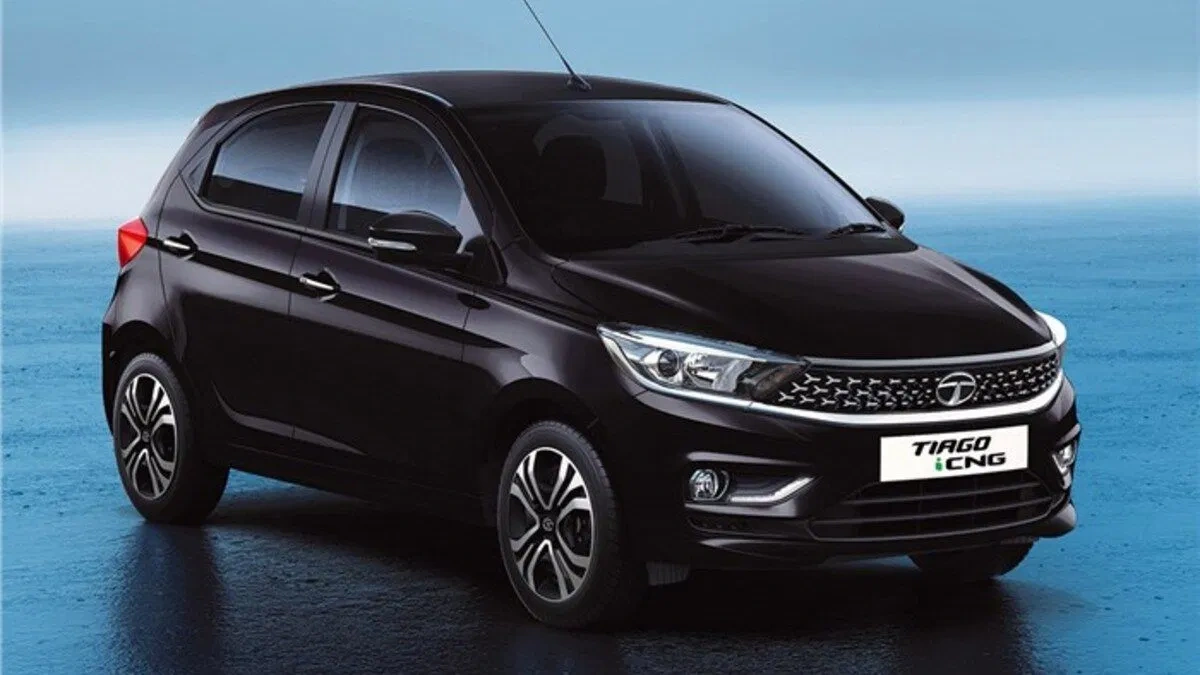
Alright, let’s be honest. In India, buying a car isn’t just about getting from A to B; it’s a monumental decision, often weighed against endless calculations of EMI, fuel costs, and maintenance. And lately, with petrol and diesel prices doing their own little moonwalk, a lot of us have been looking for alternatives, right? This isn’t just a trend; it’s a full-blown transformation, and at its heart are the unassuming, yet incredibly powerful, CNG hatchback cars in India .
What I find truly fascinating is that it’s not merely about pinching pennies at the pump anymore. There’s a deeper ‘why’ at play here, a shift in how we perceive personal mobility in a country grappling with both economic pressures and environmental concerns. We’re moving beyond the simple economics, though that’s a huge part of it, to a more holistic understanding of what a car should offer. Think of it as India’s answer to sustainable, affordable personal transport, packaged neatly into a compact, city-friendlyhatchback.
So, let’s pull up a chair, grab a chai, and dive deep into why these cars aren’t just a smart choice, but potentially the smartest choice for a vast majority of Indian car buyers today.
The Unbeatable Economics | Your Wallet’s Best Friend
Here’s the thing: the most compelling argument for CNG hatchback cars invariably starts with the wallet. We’ve all winced at the petrol pump. But imagine slashing your monthly fuel bill by a significant margin. That’s the primary, undeniable charm of CNG.
When we talk about fuel efficiency , CNG cars are often in a league of their own compared to their petrol counterparts. While the initial cost might be slightly higher due to the factory-fitted CNG kit (and please, always go for a factory-fitted one for safety and warranty reasons – trust me on this!), the long-term low running costs quickly offset that difference. We’re talking about savings that can add up to thousands of rupees every month, depending on your usage. For someone with a daily commute, this isn’t pocket change; it’s a substantial boost to their household budget.
I initially thought this was straightforward math, but then I realized it’s more than just the price per kg of CNG versus price per litre of petrol. It’s about the sheer calorific value and the efficiency of combustion. CNG, aCompressed Natural Gas, packs more punch, translating to more kilometers per rupee. This isn’t a mere claim; it’s a verified performance aspect that has made these vehicles incredibly popular, especially with urban dwellers and fleet operators alike. The implications? More disposable income for other things, less financial stress, and perhaps, a quicker path to upgrading that refrigerator or even planning that family vacation.
Beyond the Wallet | Environmental and Practical Perks

While the economic argument is a powerful siren song, the benefits of CNG stretch far beyond just saving money. Let’s talk about the environment, for instance. Eco-friendly vehicles are not just a buzzword; they are a necessity. CNG burns cleaner than petrol or diesel, emitting significantly lower levels of harmful pollutants like carbon monoxide, nitrogen oxides, and particulate matter. This is a huge win for India’s increasingly polluted urban landscapes.
What does this mean for you, the driver? It means you’re contributing to cleaner air, a healthier environment for your family, and a more sustainable future. This sense of responsibility is a growing factor for many buyers, and it’s heartening to see. The government, too, is pushing for alternative fuel vehicles , offering various incentives and promoting the expansion of CNG infrastructure, which further strengthens the case for these cars.
Practically speaking, CNG also offers a smoother, quieter ride in many cases, as the fuel burns more evenly. And for those living in cities with stringent pollution norms or odd-even schemes, a CNG car often comes with exemptions, offering uninterrupted mobility. So, it’s not just about what you save, but also about the peace of mind and the flexibility you gain.
Navigating the Choices | Finding Your Perfect CNG Hatchback
Alright, so you’re convinced about the ‘why.’ Now comes the ‘which.’ The market for best CNG cars in India has matured considerably, with several strong contenders offering reliable, feature-packed options. No surprises here, Maruti Suzuki CNG dominates the segment with models like the WagonR, Celerio, Alto, and Swift. Their experience in this space means tried-and-tested technology and widespread service networks.
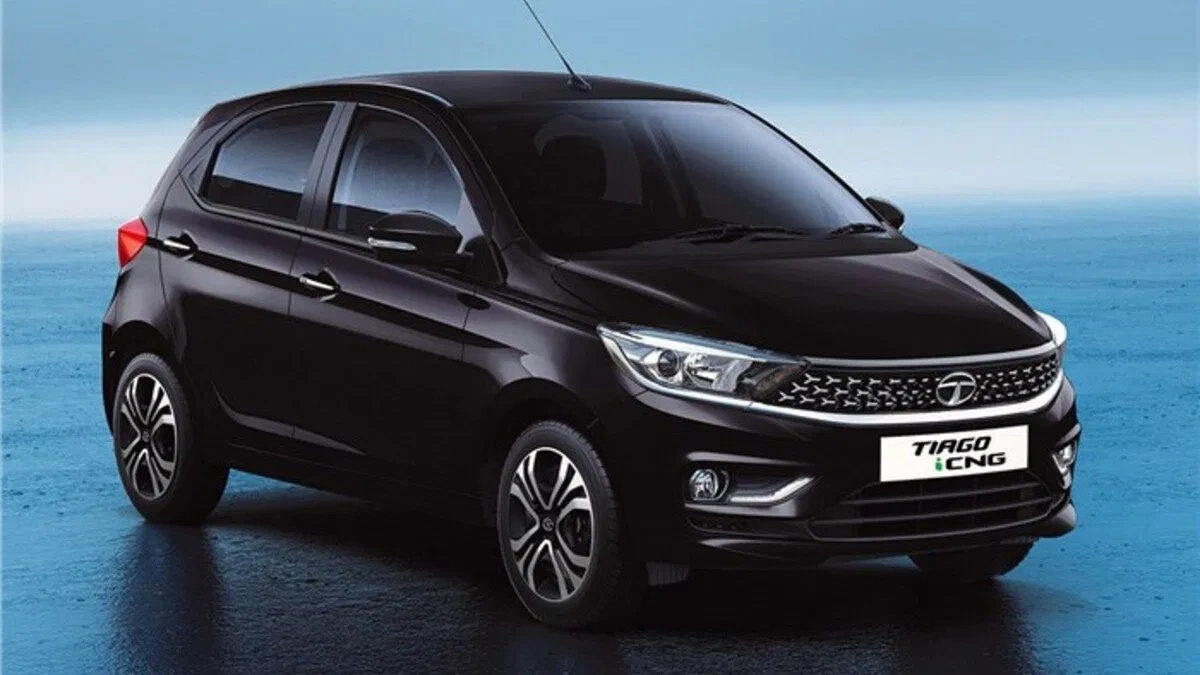
But it’s not just Maruti. Hyundai CNG models like the Grand i10 Nios and Aura also offer compelling packages, often with a slight edge in premium interiors and features. And let’s not forget Tata CNG with offerings like the Tiago and Tigor, which bring a strong emphasis on safety features and robust build quality, a factor increasingly important to Indian families. The Altroz iCNG, for example, has innovated with twin-cylinder technology, cleverly addressing the perennial boot space issue by distributing the cylinders under the boot floor.
When you’re looking, consider more than just the price tag. Think about your daily usage, the available boot space (this is often a compromise in traditional CNG setups, but brands are getting smarter!), the comfort for your family, and, crucially, the availability of service centers. A common mistake I see people make is focusing solely on the upfront cost and forgetting about the after-sales experience, which is paramount for any car owner in India. Test drive a few models, compare features, and read reviews, not just about the car itself, but specifically about its CNG variant performance.
The Road Ahead | What to Expect from Your CNG Companion
So, you’ve picked your warrior. What’s next? Owning a CNG car is, by and large, similar to owning a petrol car, but with a few nuances. Maintenance schedules might be slightly different, primarily focusing on the CNG kit components, but overall, it’s not significantly more arduous or expensive. Most modern factory-fitted kits are designed for durability and minimal fuss.
Range anxiety? That’s a valid concern for many. While CNG tanks offer a decent range, the dual-fuel system (CNG + petrol) in these hatchbacks means you always have a fallback. If you run out of CNG, the car seamlessly switches to petrol, giving you peace of mind. Refueling infrastructure, while rapidly expanding in major cities and along highways, can still be a bit patchy in remote areas. A quick check of CNG station availability along your regular routes is always a good idea. However, the trend is clear: more and more stations are popping up.
And what about resale value ? This is where CNG cars surprise many. Given the sustained demand for cost-effective transport, well-maintained factory-fitted CNG hatchbacks often command a strong resale value, sometimes even better than their petrol counterparts, especially in cities where CNG is readily available. It’s a testament to their practicality and enduring appeal.
A Word of Caution | What to Watch Out For
Now, while I’m a huge advocate for CNG, it’s only fair to present a balanced view. The primary trade-off, historically, has been boot space. With a large CNG cylinder occupying a significant portion of the boot, grocery runs or airport trips can become a juggling act. However, as I mentioned, innovative solutions like Tata’s twin-cylinder setup are mitigating this. Also, while refueling is cheap, it can sometimes take longer than filling petrol, especially if there’s a queue at the pump. And finally, slight performance dips compared to petrol on inclines or with a full load can be noticeable, though for city driving, it’s rarely an issue.
Despite these minor caveats, the sheer value proposition often outweighs the compromises for the average Indian consumer.
Frequently Asked Questions about CNG Hatchbacks
Are CNG cars really safe in India?
Yes, modern factory-fitted CNG cars are very safe. They undergo stringent testing and adhere to strict safety standards, including leak-proof systems, fire-resistant materials, and safety valves. It’s crucial to ensure your car has a factory-fitted kit and regular servicing.
How much does a typical CNG hatchback save me on fuel?
While exact figures vary by model and fuel prices, owners often report saving 40-60% on fuel costs compared to petrol versions, making low running costs a major draw. Over a year, this can amount to substantial savings.
Do CNG cars require more maintenance?
Generally, no. Factory-fitted CNG kits are integrated with the engine management system and require routine checks similar to petrol cars, with specific attention to the CNG system components during scheduled services. It’s not significantly more demanding.
What about boot space in CNG hatchbacks?
Traditionally, CNG cylinders occupy a large part of the boot. However, newer models like the Tata Altroz iCNG offer innovative twin-cylinder technology that frees up considerable boot space. It’s an important factor to check when choosing your car.
Which brands offer the best CNG hatchbacks right now?
Maruti Suzuki CNG is a market leader with popular models like the WagonR, Celerio, and Swift. Hyundai CNG (Grand i10 Nios) and Tata CNG (Tiago, Tigor, Altroz) also offer highly competitive and popular models known for their features and build quality. You can explore morecar optionson our website.
Is CNG infrastructure improving in India?
Absolutely. The government and private players are rapidly expanding the CNG distribution network across India, especially in metropolitan areas and national highways. While there might still be gaps in remote regions, accessibility is constantly improving.
So, there you have it. The surge in popularity of CNG hatchback cars isn’t just a fleeting trend; it’s a calculated, practical, and increasingly conscious decision by millions of Indians. It’s a testament to innovation meeting necessity, offering a potent blend of affordability, environmental responsibility, and dependable mobility. If you’re eyeing a new car, particularly for urban use, ignoring the CNG option would be like ignoring a secret cheat code for smart savings and a cleaner commute. It’s not just a car; it’s a statement about savvy, sustainable living in modern India. And that, my friends, is a revolution worth joining.