
 By Car gamerewardz
Alright, settle in. We need to talk about cars. Specifically, two terms that get tossed around like salad at a fancy dinner party: “coupe” and “sports car.” Now, if you’re like most people, you probably think you have a pretty good handle on the coupe vs sports car difference. You might picture a sleek, two-door machine for a coupe, and something ridiculously fast and exhilarating for a sports car. And you wouldn’t be entirely wrong, but here’s the thing… that’s like saying a spoon is for eating soup. True, but it doesn’t tell you about the ladle, the spork, or the chopsticks!
What fascinates me, and what we’re going to dive into today, is why these distinctions are so murky, why manufacturers often blur the lines, and why understanding the nuances can utterly transform how you view and even purchase your next vehicle. It’s not just about specs; it’s about intent, design philosophy, and even a bit of marketing magic. Let’s unravel this glorious automotive tangle, shall we?
The Coupe Conundrum | More Than Just Two Doors
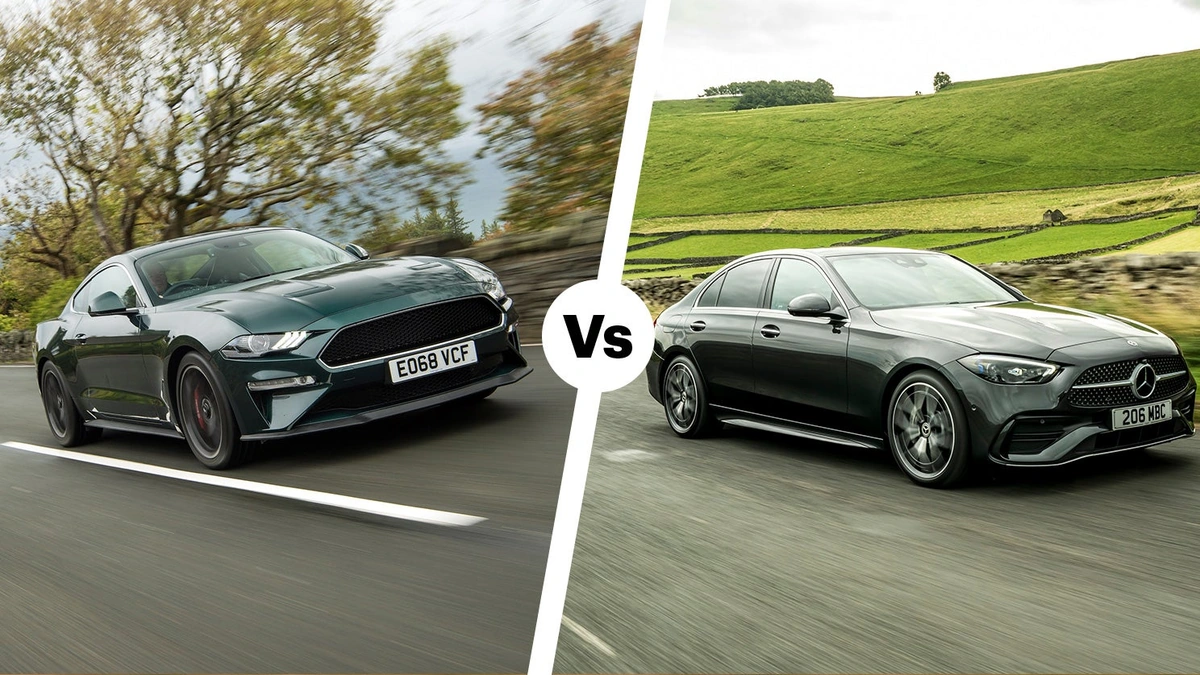
So, what exactly is a coupe? Historically, the definition was beautifully simple: a two-door car with a fixed roof and a sleeker, sportier profile than a sedan. Think elegant, often aspirational, and usually a bit less practical than its four-door brethren. The term itself even comes from the French word “couper,” meaning “to cut,” referring to a horse-drawn carriage with the rear-facing seats cut out. Pretty neat, right?
But then, car manufacturers got clever. Or confusing, depending on your perspective. Suddenly, we started seeing “four-door coupes” – vehicles like the Mercedes-Benz CLS or the Audi A7. Now, how can a car have four doors and still be a coupe? This is where the plot thickens. The industry redefined a coupe less by its door count and more by its coupe body style – specifically, that dramatically sloping roofline that tapers towards the rear, giving it that characteristic, aerodynamic, and often visually dynamic silhouette. It’s about aesthetics and form over pure functionality.
A true coupe often emphasizes style and a more intimate driving experience. The back seats, if present, are usually tighter – perfect for small children or very short trips, but not ideal for adult passengers on a long journey. The focus is on the driver and front passenger. This emphasis on design often means they are positioned as luxury vehicles or at least cars with a premium feel, even if they share platforms with more mundane sedans. For a deeper dive into these sleek machines, you can check out our section oncoupes.
The Sports Car Spirit | Beyond Pure Speed
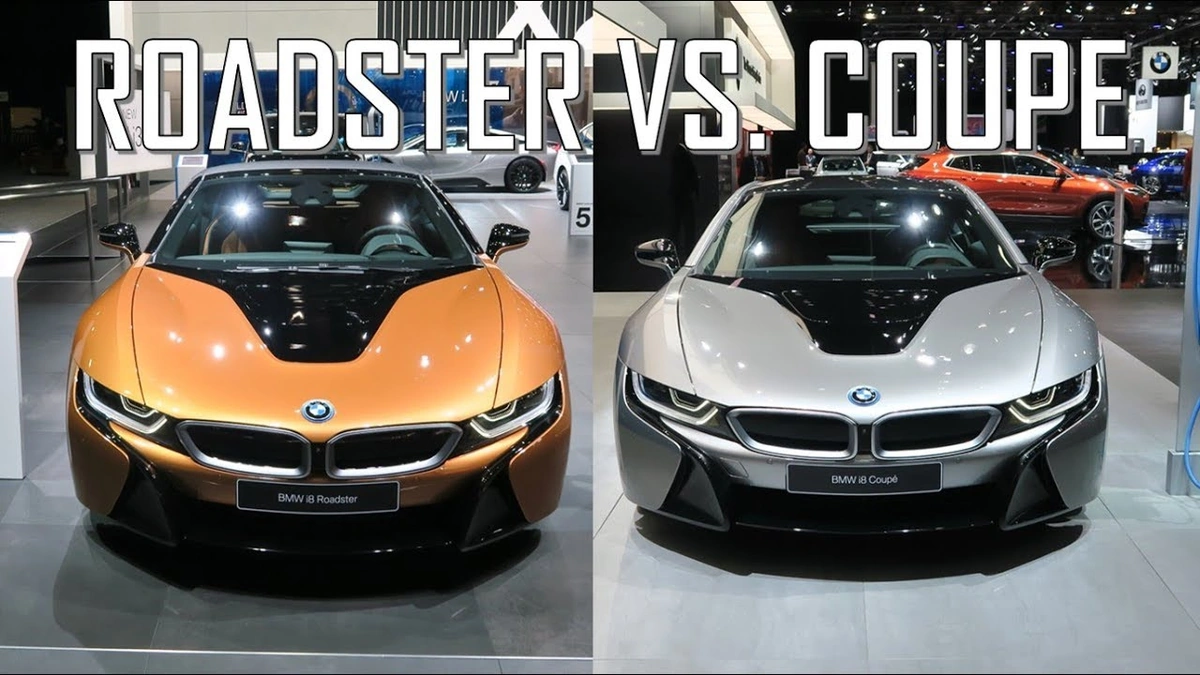
Now, let’s talk about the sports car. When you hear “sports car,” your mind probably conjures images of Ferraris, Porsches, or perhaps a classic Mazda MX-5 Miata. And you’d be right! But what truly defines them isn’t just speed – though that’s certainly a big part of it. A sports car is fundamentally designed for performance, exhilarating driving dynamics, and a connection between the driver and the road that transcends mere transportation. It’s about the thrill, the sound, the feel.
The core of a sports car lies in its sports car characteristics: exceptional handling, responsive steering, powerful acceleration, and strong braking. These aren’t just features; they’re integral to its identity. The engine power and handling are meticulously engineered to deliver a visceral driving experience. Think about it: a minivan can have a powerful engine, but you’d never call it a sports car. Why? Because the minivan prioritizes utility and passenger comfort, while the sports car sacrifices those for outright driving pleasure and agility. They often have specific chassis tuning, stiffer suspensions, and a lower center of gravity to enhance their road-holding abilities.
So, while many sports cars are two-door vehicles, the number of doors is incidental. Their primary purpose is performance. AnAston Martin DB11, for example, is a two-door grand tourer that definitely feels like a sports car. And while a Subaru WRX STI might have four doors, its performance-oriented design and driving dynamics push it squarely into the “sports sedan” category, sharing much of the sports car ethos. If you’re passionate about these performance machines, oursportcategory is a must-see.
The Blurry Lines | Where Coupes and Sports Cars Converge (and Diverge)
This is where it gets really interesting, and frankly, a bit confusing for those trying to discern the vehicle classification. Many sports cars are, in fact, coupes. Think Porsche 911, Audi R8, or a Nissan Z. These are two-door cars with sloping rooflines and are engineered from the ground up for performance. So, they tick both boxes.
But not all coupes are sports cars. Consider, for instance, a Honda Civic Coupe. It’s a two-door car with a sleek roofline, fitting the traditional coupe definition. Is it a sports car? While it might be sporty and fun to drive, its primary design intent isn’t raw, track-focused performance. Its performance differences compared to a dedicated sports car are significant. It prioritizes efficiency, affordability, and daily usability far more than, say, a Porsche Cayman. Similarly, some luxury coupes might emphasize comfort and elegance over blistering speed and razor-sharp handling, even if they have powerful engines. We’re talking about the nuanced differences between a true sports car and a grand tourer or a sporty coupe.
Conversely, not all sports cars are strictly coupes. As mentioned, some performance sedans or even hot hatchbacks (like the Honda Civic Type R or Golf R) embody the spirit and performance capabilities of a sports car, despite having more than two doors or a different body shape. Their core identity is rooted in driving dynamics, not just their door count or roofline.
The “Why It Matters” Angle | Making Sense for Your Garage
So, why does this semantic dance matter to you, the consumer, the enthusiast, or just someone looking for a new set of wheels? It matters because understanding these distinctions helps you cut through the marketing jargon and truly assess what a car offers. It’s about discerning the intent behind the design.
If you’re looking for a coupe body style, you’re likely prioritizing aesthetics, a sense of exclusivity, and perhaps a slightly more intimate cabin feel. The practicality of coupes is often secondary to their visual appeal and perceived status. You might appreciate a comfortable ride and modern amenities, and while a powerful engine is nice, it’s not the absolute be-all and end-all.
However, if you’re after a sports car, you’re chasing that adrenaline rush, that precise feedback through the steering wheel, that thrill of accelerating out of a corner. You’re buying into the sports car characteristics of a focused driving machine where every component, from the suspension to the braking system, is tuned for dynamic performance. You might even be willing to compromise on ride comfort, fuel economy, or cargo space for that ultimate driving experience. The grand tourer vs sports car debate also fits here; a GT prioritizes long-distance comfort with performance, while a pure sports car is more raw.
When you’re trying to figure out `what makes a sports car` or the `difference between coupe and sedan`, remembering this core principle of design intent is crucial. It helps you ask the right questions: Is this car designed primarily for looks and a certain image, or is its sole purpose to deliver an unparalleled driving thrill? Knowing this can prevent buyer’s remorse and ensure you get exactly what you’re looking for, whether it’s `coupe benefits` or `sports car advantages`.
FAQ | Clearing the Confusion
Frequently Asked Questions About Car Body Styles
Is every two-door car a coupe?
Not necessarily. While most coupes have two doors, the term “coupe” increasingly refers to a car’s sleek, sloping roofline, regardless of door count (e.g., “four-door coupes”). Conversely, some two-door vehicles, like certain SUVs or even old pickup trucks, are not considered coupes due to their body style.
Can a sports car have four doors?
Absolutely! While many traditional sports cars are two-door, vehicles like the Porsche Panamera, Aston Martin Rapide, or high-performance sedans like the BMW M3 or Audi RS models are considered sports cars or performance cars due to their engineering, engine power and handling, and focus on dynamic driving, despite having four doors.
What’s the main difference in driving feel?
The primary difference is intent. A pure sports car prioritizes a direct, engaging, and often raw driving experience with exceptional acceleration, braking, and cornering abilities. A coupe, while often sporty, might prioritize style, comfort, and luxury more, offering a good balance rather than extreme performance. The performance differences are key.
Is a convertible considered a coupe or a sports car?
A convertible is a body style, much like a coupe or sedan. A convertible can be a coupe (if it has two doors and a sleek profile when the roof is up) and it can also be a sports car (if it’s engineered for performance). So, a Porsche 911 Cabriolet is both a convertible and a sports car that happens to derive from a coupe.
Why are some coupes more expensive than sedans on the same platform?
Often, coupes are positioned as more exclusive, stylish, and premium options. The unique tooling for their body panels, the smaller production volumes, and their perceived status as luxury vehicles can contribute to a higher price point, even if they share engines and chassis components with a more common sedan.
The Road Ahead | Drive with Knowledge
So, there you have it. The distinction between a coupe and a sports car isn’t always as black and white as you might think. It’s a vibrant spectrum, influenced by historical definitions, evolving automotive design, and the relentless push of marketing departments. But knowing the why behind these terms – the underlying design philosophy and intended purpose – gives you an incredible advantage.
It means you won’t just see a shiny new car; you’ll understand its soul, its ambition, and its true place on the road. Whether you’re dreaming of the exhilarating sports car characteristics for track days or the elegant coupe body style for weekend cruises, you’re now equipped to make a truly informed decision, driving not just a car, but a statement of your personal driving philosophy. Happy motoring!