
 By Car gamerewardz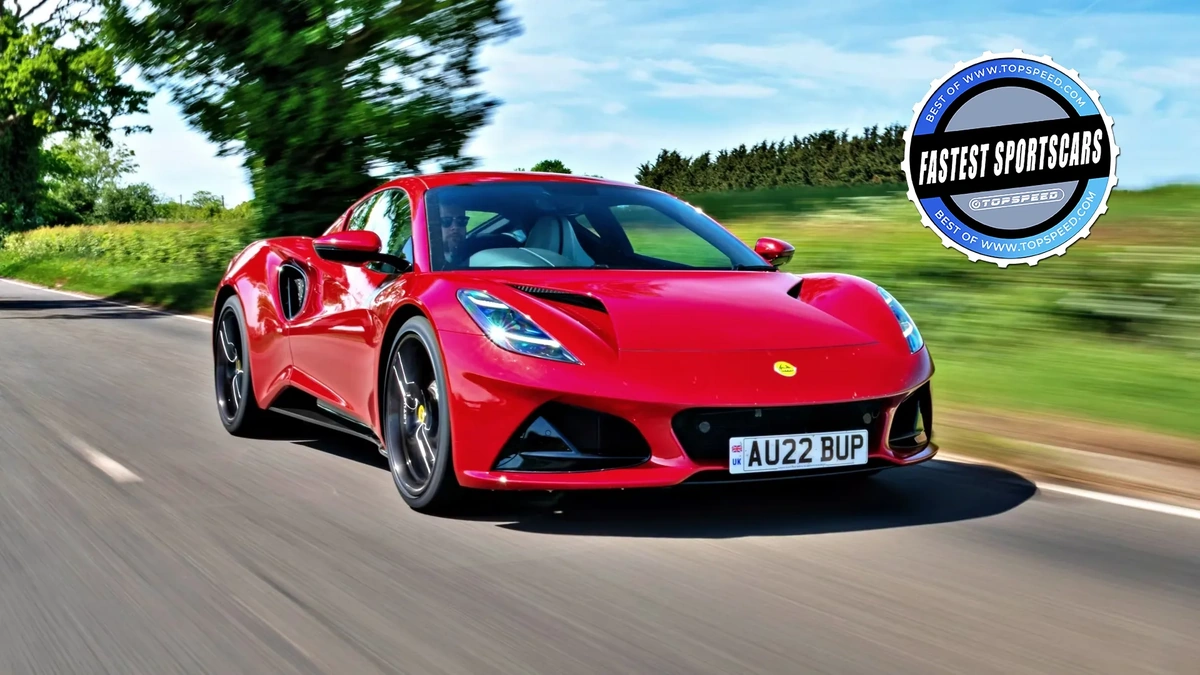
Let’s be honest, there’s something utterly magnetic about a high-speed sports car . It’s not just a machine; it’s a dream on wheels, a symphony of engineering, and for many, the ultimate expression of freedom and power. You know that feeling, right? That little jolt of excitement when a sleek, low-slung beauty blazes past, leaving a trail of exhilarating exhaust notes in its wake. It’s more than just speed; it’s an emotional connection, a primal urge to chase the horizon. Here’s the thing about these automotive marvels: they tap into something deep within us, something beyond mere transportation. They speak of ambition, innovation, and an unyielding pursuit of perfection.
I remember the first time I truly understood this obsession. It wasn’t about the numbers on a spec sheet, though those are impressive, I grant you. It was about the sheer, unadulterated feeling. The way the world blurs, the g-forces pushing you back, the symphony of an engine screaming to its redline. It’s an almost spiritual experience, a dance between human and machine at the very edge of possibility. And in India, where our roads are often a test of patience, the allure of a vehicle built for pure, unadulterated speed is perhaps even stronger, a symbol of breaking free. But what exactly makes these machines so captivating? Let’s dive a little deeper, shall we?
More Than Just Numbers: The Heartbeat of a Supercar
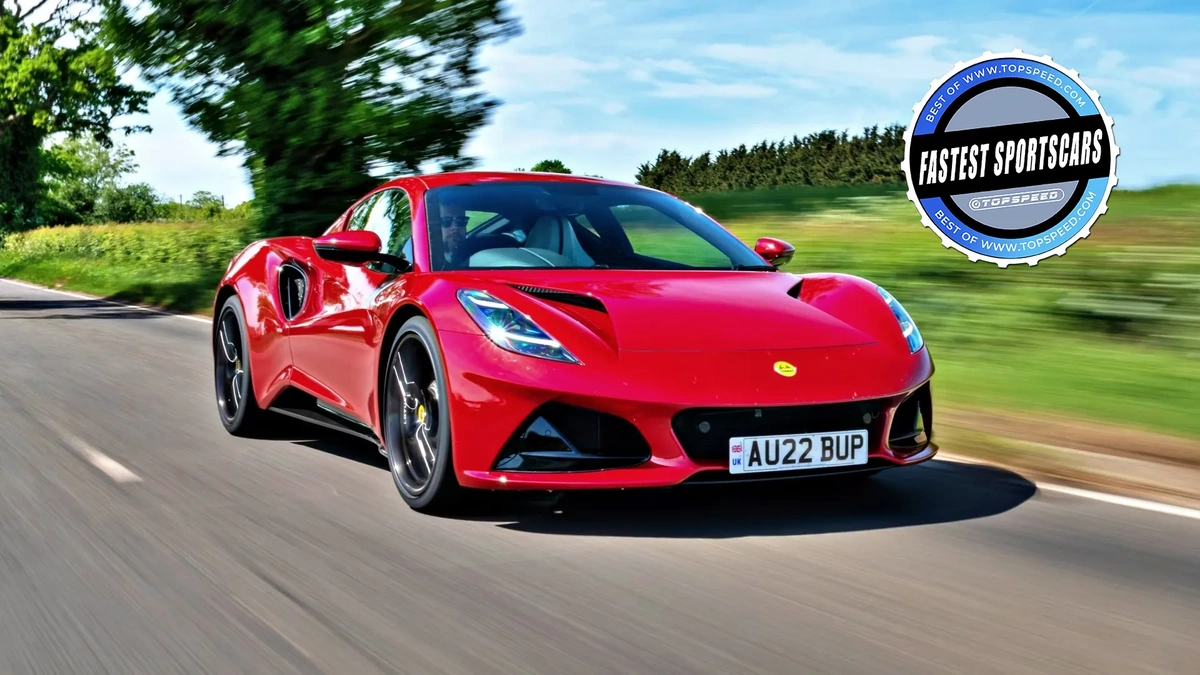
When we talk about high-speed sports cars , our minds often jump straight to top speed records or mind-bending 0-100 km/h times. And yes, those figures are astronomical. We’re talking about vehicles that can hit speeds well over 300 km/h, some even breaching the 400 km/h mark with ease. But focusing solely on these statistics is like admiring a painting only for the price tag. It misses the point entirely. The true magic lies in the holistic experience, the way every component works in perfect harmony to deliver an unparalleled performance. A true supercar , or its even more extreme cousin, the hypercar , isn’t just fast; it’s an extension of the driver, responsive to every input with incredible precision.
What fascinates me is the way theseperformance carschallenge the very laws of physics. They corner with such tenacity, brake with such authority, and accelerate with such ferocity that it redefines your understanding of what a road-legal vehicle is capable of. Think about the engineering marvels packed into a Ferrari, a Lamborghini, or a Porsche. Every curve, every vent, every material choice is meticulously designed not just for aesthetics, but for aerodynamic efficiency and structural integrity at extreme speeds. It’s not just about raw power; it’s about how that power is delivered, controlled, and translated into an unforgettable driving experience .
Engineering Dreams: What Goes Into Building a Hypercar
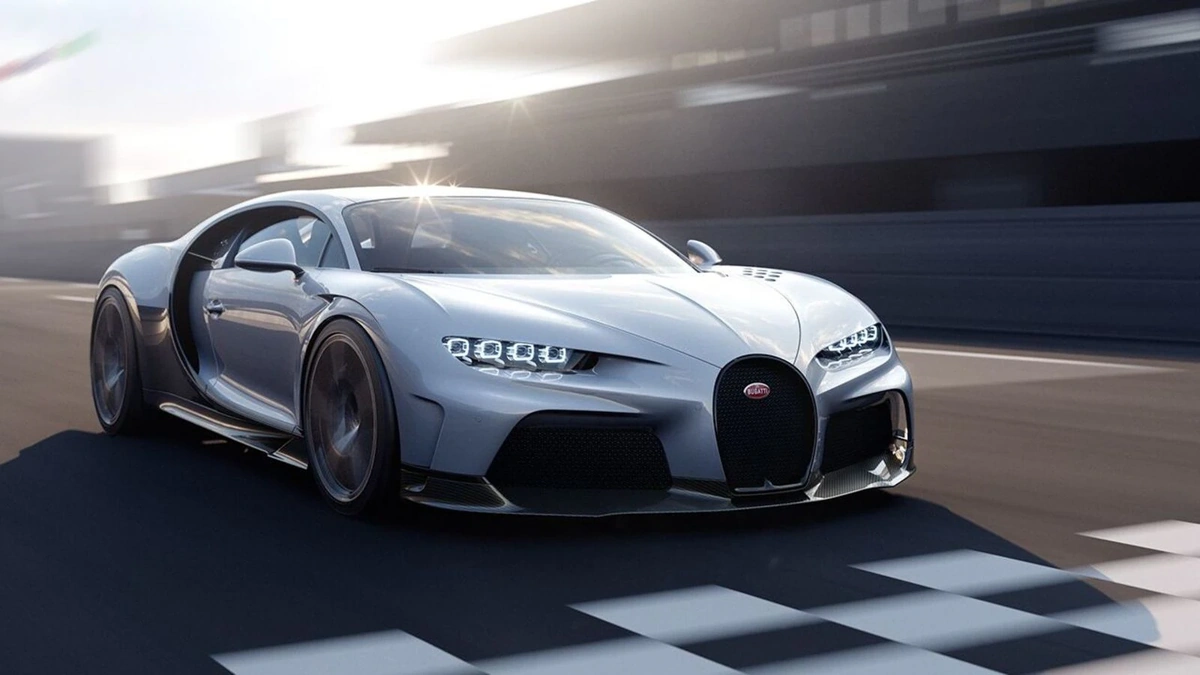
Building a hypercar is akin to crafting a piece of art, but with the ruthless logic of a rocket scientist. It requires an insane level of precision and innovation in sports car technology . We’re talking about engines that are often bespoke, sometimes naturally aspirated V12s screaming at 9,000 RPM, other times twin-turbocharged V8s or even advanced hybrid powertrains that combine electric motors with internal combustion for instant torque and staggering horsepower figures. These aren’t just bigger engines; they are engineering masterpieces, built from exotic materials like titanium and carbon fibre to withstand immense pressures and temperatures.
And it’s not just the engine. Consider the aerodynamics. At 300+ km/h, air resistance becomes a monumental force. Every scoop, spoiler, and diffuser on asleek coupe designsis there to either reduce drag or generate crucial downforce, pushing the car into the road for better grip. Active aero systems, like movable wings and flaps, constantly adjust to optimize performance for acceleration, braking, or cornering. The chassis, often a carbon fibre monocoque, is incredibly stiff and lightweight, providing a rigid platform for the advanced suspension systems that keep the tyres glued to the tarmac. This meticulous attention to detail is what defines true automotive engineering excellence. For a deeper dive into the science behind these incredible machines, you might find thisWikipedia article on supercarsquite illuminating.
The Indian Connection | Chasing Speed on Our Roads (and Dreams)
Now, let’s talk about India. Owning and driving a high-speed sports car here is, shall we say, a unique proposition. Our infrastructure presents its own set of challenges, from unpredictable road surfaces to bustling traffic. Yet, the demand for these luxury vehicles is undeniable and growing. The sight of an exotic car tearing down an open stretch of highway (when you find one!) is still a rare, head-turning event. Major metropolitan areas like Mumbai, Delhi, Bangalore, and Hyderabad have seen a steady increase in sales of these dream machines, as a burgeoning affluent class seeks to indulge their passion for speed and exclusivity. We might not have the Autobahns of Germany, but the aspiration to own the fastest cars India has to offer is very real.
For enthusiasts, the occasional track day events at circuits like the Buddh International Circuit become a sanctuary, a place where these magnificent beasts can truly be unleashed without the everyday constraints. It’s here that the true spirit of performance driving comes alive. The rising popularity of various sports car brands in India, from the established European giants to newer players, signifies a shift. It’s a testament to the growing appetite for not just luxury, but performance. People are not just buying badges; they are investing in the thrill, the engineering, and the statement these cars make. They are buying into the adrenaline rush .
Beyond the Track: The Unforgettable Driving Experience
So, you’ve seen the numbers, you understand the engineering. But what’s it really like to be behind the wheel of a high-speed sports car ? It’s an assault on the senses, in the best possible way. The moment you slide into the low-slung bucket seat, your body immediately becomes one with the car. The steering wheel, often wrapped in Alcantara, feels perfectly weighted in your hands, transmitting every nuance of the road surface directly to your fingertips. The sound, oh, the sound! From the guttural idle to the soaring crescendo as you bury the throttle, it’s an orchestra of mechanical harmony that vibrates through your very core.
Then there’s the acceleration. It’s not just fast; it’s violent, intoxicating, almost disorienting. You feel the world warping around you, objects in your peripheral vision blurring into streaks of colour. Braking is equally intense, pulling you forward with surprising force, thanks to massive carbon-ceramic discs. It’s a masterclass in control, requiring intense focus and a deep understanding of the machine beneath you. This is why many enthusiasts invest in properdriving instructionor participate intrack day carsevents – to truly explore the limits of these machines and their own capabilities. It’s a dance of precision, power, and passion, leaving you with an unparalleled sense of accomplishment and an insatiable desire for more.
Your Burning Questions About Fast Cars
What defines a high speed sports car?
Generally, a high-speed sports car prioritizes performance, speed, and handling over practicality. It typically features a powerful engine, advanced suspension, aerodynamic design, and lightweight materials. While there’s no strict definition, top speeds usually exceed 250 km/h, with rapid acceleration figures.
Are supercars practical for everyday driving in India?
Let’s be honest, “practical” isn’t a word often associated with supercars, especially in India. Ground clearance, road conditions, and traffic can be significant challenges. However, many owners use them for weekend drives or specific events, navigating city roads with care. Some modern supercars do offer features like front-axle lift systems to help clear speed breakers.
What kind of sports car technology makes them so fast?
It’s a combination! Key technologies include powerful, high-revving engines (V8, V10, V12, or hybrid), lightweight carbon fibre chassis and body panels, advanced aerodynamics (active wings, diffusers), sophisticated suspension systems (adaptive dampers), massive high-performance brakes (carbon-ceramic), and precise transmissions (dual-clutch).
How expensive are these performance cars to maintain?
Very. Maintenance costs for exotic cars are significantly higher than for regular vehicles. Expect substantial costs for specialized parts, highly skilled labour, premium fuels, and bespoke tyres. Insurance premiums are also sky-high. This is part of the exclusivity of owning such a machine.
Where can I experience the adrenaline rush of a fast car?
While owning one is the dream, you can still get a taste! Many major circuits in India (like Buddh International Circuit, MMRT) offer track day experiences or driving schools where you can get behind the wheel of a performance car. Alternatively, some luxury car rental services might offer sports cars for a limited period, though they are rare.
Ultimately, the allure of the high-speed sports car isn’t just about its raw power or its dizzying speed. It’s about the feeling it evokes, the dreams it ignites, and the sheer audacity of human engineering pushing boundaries. It’s a statement, a passion, and a promise of an unforgettable journey. So, the next time you see one, take a moment. Appreciate not just the speed, but the story it tells, and the powerful, visceral connection it forms with anyone who has ever dared to dream of flying without leaving the ground.