
 By Car gamerewardz
Alright, let’s grab a cup of chai and talk about something genuinely important for every Indian family: finding that perfect car. Not just any car, mind you, but a low maintenance sedan car . It’s a phrase we hear often, a golden promise from dealerships, but what does it really mean? And more importantly, why does it matter so deeply in our unique automotive landscape?
Here’s the thing: in India, buying a car is often one of the biggest financial decisions a household makes, second only to a home. And unlike in some Western countries where cars are often leased and swapped out every few years, here, our cars are often long-term companions. They ferry us to work, take our kids to school, endure the monsoon rains and dusty highways, and become silent witnesses to countless family memories. So, when we talk about a ‘low maintenance’ car, we’re not just discussing routine service costs; we’re talking about peace of mind, financial stability, and the pure joy of hassle-free ownership over years, sometimes even decades. I initially thought this was straightforward – just pick a reliable brand, right? But then I realized, it’s so much deeper than that. It’s about understanding the ‘why’ behind the ‘what’ of car ownership in India.
Beyond the Sticker Price: Unpacking the Real Total Cost of Ownership (TCO)

Let’s be honest, when we walk into a showroom, our eyes are naturally drawn to the ex-showroom price. It’s the headline number. But that’s just the opening act, isn’t it? The real story, the one that truly impacts your wallet over time, is the Total Cost of Ownership (TCO) . And for a low maintenance sedan car , TCO is the ultimate scorecard.
TCO isn’t just about the initial purchase price or even the fuel you burn. It’s a complex cocktail of factors: depreciation, insurance premiums, financing costs, and, crucially, maintenance and repair expenses. Consider this: India’s roads, while improving, still present unique challenges. Potholes, sudden braking, heavy traffic – these all put extra strain on a vehicle’s suspension, brakes, and engine components. A car built for these conditions, with robust parts and thoughtful engineering, will inherently have lower long-term repair bills. What fascinates me is how often people overlook the nuances here. They might save a lakh upfront but end up spending three times that in unexpected repairs down the line. That’s why understanding the true total cost of ownership cars is paramount. And, of course, a significant chunk of TCO is dictated by fuel efficiency , especially with fluctuating petrol and diesel prices. A sedan that sips fuel rather than guzzles it will make a noticeable difference to your monthly budget, compounding savings over its lifespan. Don’t forget the eventual resale value cars India too – a well-maintained, popular model will always fetch a better price when it’s time to upgrade.
To really drive home the point, let’s consider the scenario: two sedans, similar price. One has cheaper initial parts, but they wear out faster. The other has slightly more expensive parts but lasts twice as long. Which one is truly low maintenance? The latter, every single time. It’s about fewer trips to the service center, less downtime, and ultimately, less headache for you. This is the hidden context behind low maintenance that often goes unsaid.
The Mechanics of Reliability | What Makes a Sedan Truly Hassle-Free?
So, what exactly defines a sedan as ‘low maintenance’ beyond just the marketing blurb? It boils down to three core pillars: engineering, after-sales service , and the availability of affordable spare parts . A truly reliable vehicle, especially asedan, is engineered with durability in mind. This means robust engines designed for Indian driving conditions, suspensions that can handle varied terrains, and electronics that are less prone to glitches.
Take, for instance, the quality of materials used. A manufacturer who prioritizes longevity will use higher-grade components, from brake pads to engine mounts. This might mean a slightly higher initial cost, but it translates directly into fewer replacements and breakdowns, leading to truly affordable car maintenance in the long run. Moreover, the ease of service is critical. Do you have to wait weeks for a specific part? Are skilled mechanics readily available? The answer to these questions often separates the truly dependable cars from those that just look good on paper.
This is where brands with a strong, widespread service network in India shine. Maruti Suzuki, Hyundai, and Honda, for example, have built immense trust over decades, not just with their product, but with their ability to provide prompt and efficient after-sales service . They have invested heavily in ensuring that spare parts are not only available but also reasonably priced. This drastically reduces the service costs sedan owners typically incur. The one thing you absolutely must double-check before buying is the brand’s reputation for long-term car reliability . Talk to existing owners, check owner forums – their experiences are invaluable. It’s an investment in peace of mind, knowing that if something does go wrong, you won’t be stranded waiting for an obscure part to arrive from overseas.
Navigating the Indian Market | Top Contenders for Low Maintenance Sedan Cars
Alright, great analysis, but which ones actually fit the bill in the bustling Indian car market ? Let’s talk specifics. When we look at reliable sedans India offers, a few names consistently rise to the top, embodying the spirit of low maintenance. These are the workhorses that have earned their stripes through years of dependable service:
- Maruti Suzuki Ciaz: It’s almost a given when discussing low maintenance sedan cars. Maruti’s extensive service network, readily available and affordable spare parts, and incredible fuel efficiency make the Ciaz a prime contender. It’s a no-nonsense vehicle that focuses on practical value and minimal fuss.
- Honda City: A perennial favourite, the Honda City has always been celebrated for its refined engine, comfortable ride, and impressive reliability. While its spare parts might be a notch pricier than Maruti’s, its inherent durability means fewer unscheduled visits to the service centre, balancing out the long-term TCO.
- Hyundai Verna: Hyundai has steadily built a reputation for feature-rich cars with strong reliability. The Verna offers a compelling package, blending modern design with a robust mechanical foundation. Their service network is vast, and general maintenance costs are competitive, making it a strong choice for those seeking best family sedans that are also easy on the pocket.
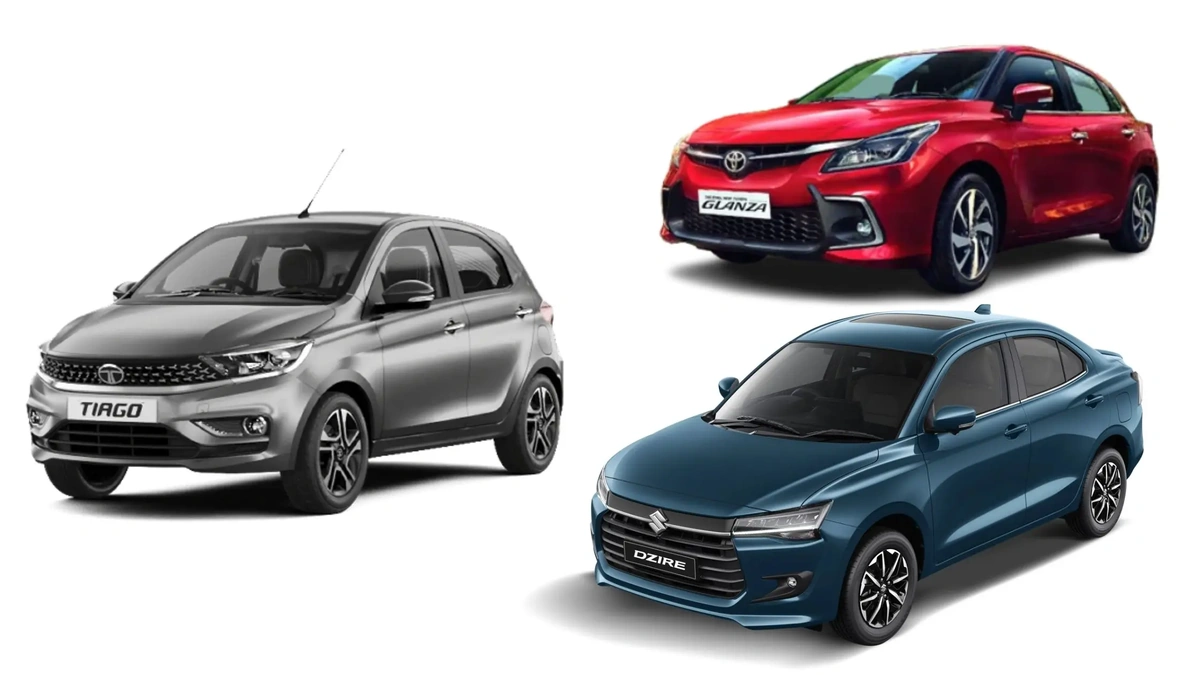
- Toyota Glanza/Yaris (used market): Toyota’s legendary reliability needs no introduction. While the Yaris sedan is no longer sold new, its used market presence is strong, and the Glanza, essentially a rebadged Baleno, benefits from Toyota’s rigorous quality control and affordable service packages. The brand’s reputation for making cars that simply ‘don’t break down’ is a massive draw for anyone prioritizing minimal maintenance.
Each of these models offers a unique blend of comfort, features, and crucially, an emphasis on longevity and manageable running costs. They might not always be the cheapest to buy outright, but their inherent design for durability and strong support infrastructure makes them winners in the low maintenance game. For those interested in understanding vehicle maintenance better, exploring resources likeWikipedia’s car maintenance pagecan offer deeper insights.
The Long Haul | Maximizing Your Sedan’s Lifespan and Value
Choosing a low maintenance sedan car is just the first step. The next, equally crucial, part is how you care for it. Think of it like this: even the most robust machine benefits from good care. Regular, scheduled servicing, as recommended by the manufacturer, is non-negotiable. Don’t skip these, even if your car seems to be running fine. These checks are designed to catch small issues before they become expensive problems, ensuring the continuous long-term car reliability of your vehicle.
Your driving habits also play a huge role. Aggressive acceleration and braking, frequent high-speed driving on rough roads, or ignoring warning lights can dramatically increase wear and tear. A gentle, anticipatory driving style not only saves fuel but also extends the life of your engine, brakes, and suspension. It’s about being a responsible owner, understanding that yourcaris a complex piece of machinery that deserves respect.
And let’s not forget the eventual resale value . A car that has been meticulously maintained, with a full service history and minimal cosmetic damage, will always command a higher price. It’s not just about spending less on repairs; it’s about retaining more of your initial investment. So, choosing a low maintenance sedan car is not merely a short-term saving strategy; it’s a smart long-term financial decision that minimizes depreciation and maximizes your future returns.
So, the next time you’re in the market for a sedan, remember: it’s not just about the gleam of the paint or the latest infotainment system. It’s about the unseen costs, the peace of mind, and the enduring reliability that truly makes a car a joy to own in India. Invest wisely, and your sedan will serve you faithfully for years to come.
Frequently Asked Questions About Low Maintenance Sedans
Which are some of the best low maintenance sedan cars in India?
In India, models like the Maruti Suzuki Ciaz, Honda City, and Hyundai Verna are consistently rated highly for their low maintenance costs, strong reliability, and widespread service networks, making them excellent choices for best family sedans .
How often should I get my sedan serviced?
Most manufacturers recommend servicing your sedan every 6 months or 10,000 km, whichever comes first. Sticking to this schedule is crucial for maintaining your car’s long-term car reliability and ensuring optimal performance.
Does fuel efficiency always mean low maintenance?
While often correlated, fuel efficiency doesn’t automatically guarantee low maintenance. A car can be fuel-efficient but have complex, expensive components that lead to high repair costs. However, many brands known for fuel efficiency also tend to have simpler, more robust engines, contributing to lower overall maintenance.
What’s the impact of driving style on car maintenance?
Your driving style significantly impacts maintenance. Aggressive driving (hard braking, rapid acceleration) increases wear and tear on brakes, tires, and the engine. A smoother, more relaxed driving style can extend component life and reduce the need for frequent repairs, contributing to affordable car maintenance .
Is it true that certain brands have cheaper spare parts?
Yes, typically brands like Maruti Suzuki and Hyundai, with their high volumes and localized manufacturing in India, tend to offer more affordable spare parts compared to some luxury or niche brands. This contributes significantly to their reputation for being low maintenance sedan cars .
What is ‘Total Cost of Ownership’ (TCO) for a car?
TCO includes all expenses associated with a vehicle over its lifespan, not just the purchase price. This includes fuel, insurance, financing, maintenance, repairs, and depreciation, giving you a holistic view of the true cost of owning a vehicle, particularly important for understanding total cost of ownership cars .