
 By Car gamerewardz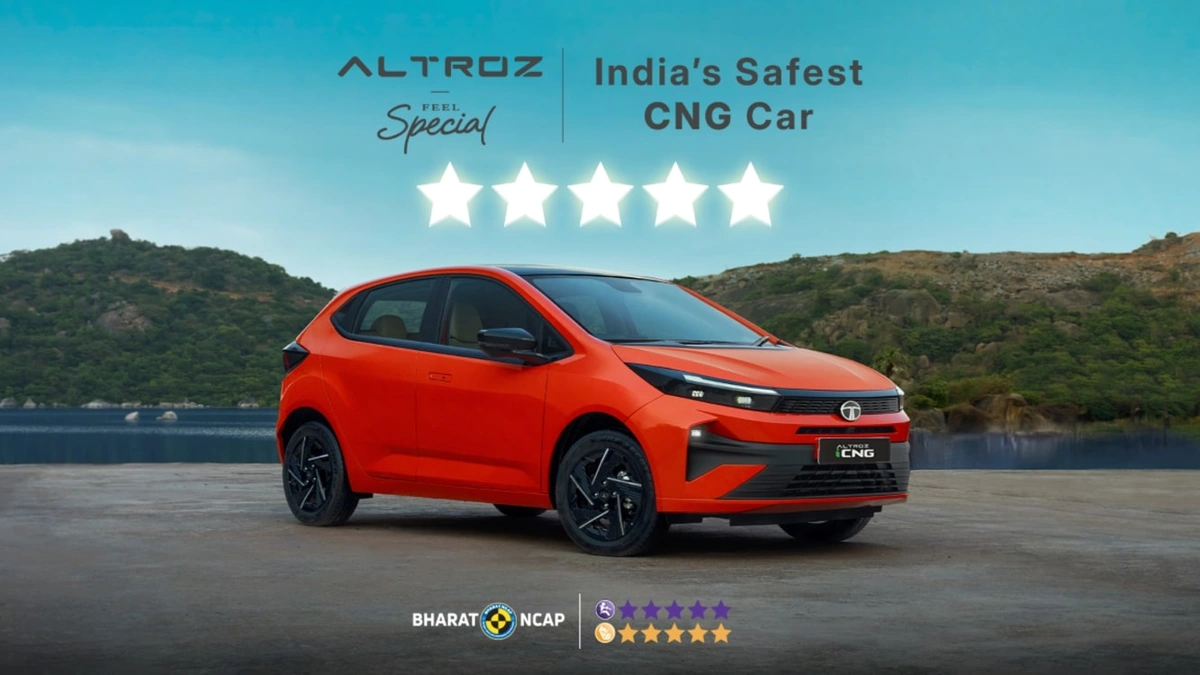
Picture this: You’re zipping through city traffic, perhaps picking up groceries, heading to work, or taking the kids to school. Life in India is a beautiful, chaotic dance, and our cars are often our trusted partners in navigating it all. But here’s the thing – when we talk about buying a new car, especially a hatchback , our minds often jump to mileage, features, and resale value. How often does car safety lead the conversation? Not enough, if you ask me. And that, my friend, is a grave oversight, especially when considering the safest hatchback in India .
For years, safety was an afterthought in the Indian automobile market. It was a luxury, a ‘nice-to-have,’ relegated to premium segments. But things are changing, slowly but surely. Today, with increased awareness and the tireless efforts of organizations like Global NCAP , consumers are beginning to ask tougher questions. What fascinates me is not just that cars are getting safer, but why this shift is so profoundly important for us, the everyday Indian drivers. It’s about more than just airbags; it’s about understanding the hidden context of our roads, the real implications of a crash, and taking control of a decision that could quite literally save lives.
So, let’s pull up a chair, grab a metaphorical cup of chai, and really dig deep. This isn’t just about listing the ‘top safe cars.’ This is about equipping you with the knowledge to understand what ‘safe’ truly means on Indian roads, why those crash test ratings are not just numbers, and how to make an informed choice that prioritizes the well-being of you and your loved ones. Because, let’s be honest, in the unpredictable theatre of Indian driving, true peace of mind comes from knowing your vehicle has your back.
Beyond the Star Rating | What “Safest” Really Means in India
When you hear about a car getting a ‘5-star rating,’ what’s the first thing that comes to mind? A mental image of a fortress on wheels, perhaps? While that’s largely true, the journey to understanding what ‘ safest hatchback in India ‘ truly entails is far more nuanced than a simple star count. It’s an evolution, a push-and-pull between consumer demand, manufacturer responsibility, and advocacy groups.
For decades, our market was dominated by cars that were, frankly, built to a price, with safety being one of the first compromises. The turning point? The introduction of Global NCAP ‘s ‘Safer Cars for India’ campaign. Before this, many cars sold here wouldn’t even meet basic international safety norms. Suddenly, cars were being crashed into barriers, cameras rolling, and the results, often shocking, were made public. This transparency ignited a much-needed conversation.
Global NCAP ratings India are not just arbitrary numbers; they are a comprehensive assessment of a vehicle’s structural integrity and its ability to protect occupants in a collision. The star rating is primarily derived from two key areas: adult occupant protection and child occupant safety . Adult protection assesses how well the car’s structure holds up, and how effectively safety features like airbags and seatbelts protect dummies representing adult occupants in frontal and side impact tests.
The child safety aspect, which often goes overlooked, is equally critical. It evaluates the car’s ability to correctly fit child restraint systems (child seats) and protect child dummies during the same crash scenarios. A car might have a decent adult rating but falter significantly in child protection due to poor ISOFIX anchorage points or inadequate space for rear-facing seats. This is why a 5-star rating isn’t just a number; it’s a testament to a manufacturer’s commitment to engineering vehicles that can withstand the brutal forces of a collision and minimize harm to all passengers. It signifies a fundamental design philosophy that places human life above mere cost-cutting.
Decoding the Crash Test Results | What to Look For
So, you’ve seen the stars, but what do the detailed crash test results hatchback reports actually tell us? Think of it like a medical report for your car. It’s not enough to know a patient is ‘stable’; you need to understand their blood pressure, heart rate, and other vital signs. Similarly, a deeper dive into the report reveals the true picture of a car’s protective capabilities.
The most crucial aspect is the adult occupant protection score . This isn’t just about whether the airbags deploy. It’s about the integrity of the passenger compartment. Did the A-pillar (the one supporting the windshield) deform excessively? Was there intrusion into the footwell area? These details are vital because they tell you if the ‘safety cell’ around the occupants remained stable. A stable structure is paramount, as it absorbs and dissipates crash energy away from the occupants. For instance, a vehicle might offer many airbags, but if the underlying structure crumples like a tin can, those airbags have far less effective space to protect you.
Then there’s child occupant safety . For parents, this is non-negotiable. Look for cars that offer ISOFIX child seat mounts as standard, along with a good child occupant protection score. This score details how well the car protects child dummies in specific age groups (usually 1.5 and 3 years old) during a crash. It also assesses the availability of features like a 3-point seatbelt for all rear passengers, which is crucial for securely installing child seats and for older children/adults in the rear. Many modern car safety features India now include ESP (Electronic Stability Program) and traction control, which prevent accidents in the first place by helping maintain control during sudden maneuvers or slippery conditions. These active safety features are just as vital as passive ones like airbags.
A common misconception I see people make is equating more airbags with ultimate safety. While a higher airbag count is generally better, it’s the combination of a strong structure, effective airbag deployment, seatbelt pre-tensioners, and active safety systems like ABS and EBD that truly make a difference. Without a robust structure, even six airbags might struggle to prevent serious injury. It’s a holistic ecosystem of protection, not just one headline feature. For a general overview of car types and their characteristics, you can always refer to resources like car.gamerewardz.com to broaden your understanding before diving into specific safety ratings.
The Contenders | Top Safest Hatchbacks in India (A Deeper Dive)
Now, let’s talk about the specific models that have truly raised the bar and stand out as strong contenders for the safest hatchback in India . Thanks to organizations like Global NCAP , we have concrete, independently verified data. It’s important to remember that ratings can evolve, and newer generations of popular models often bring significant safety improvements.
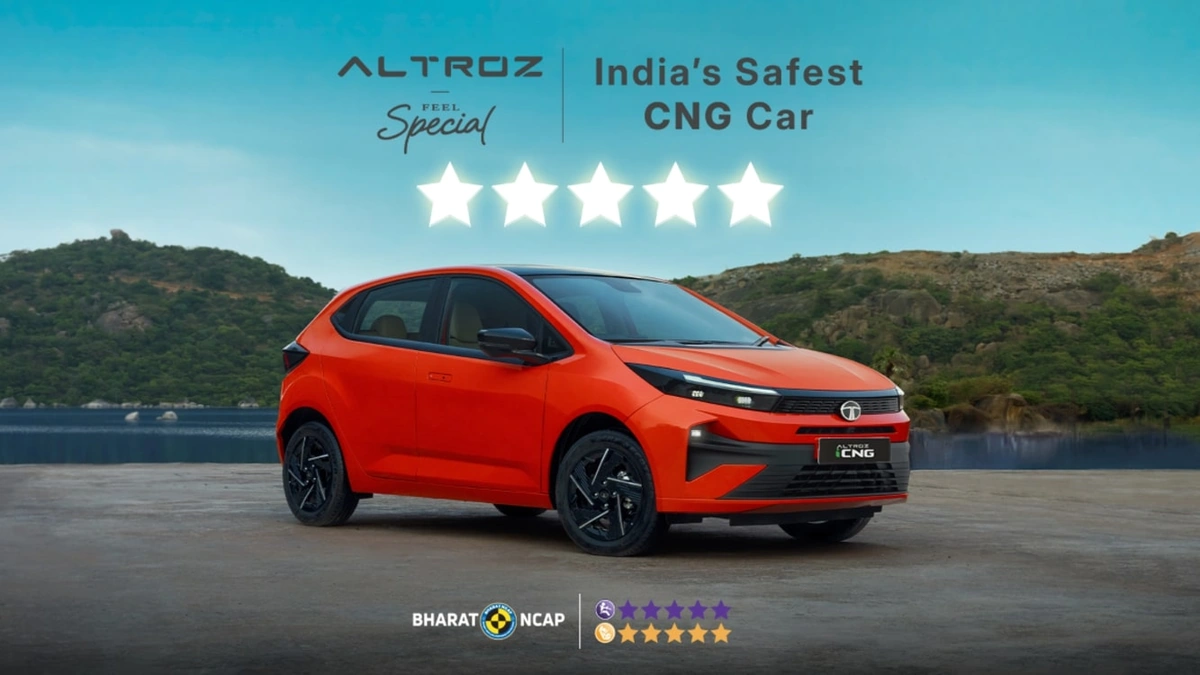
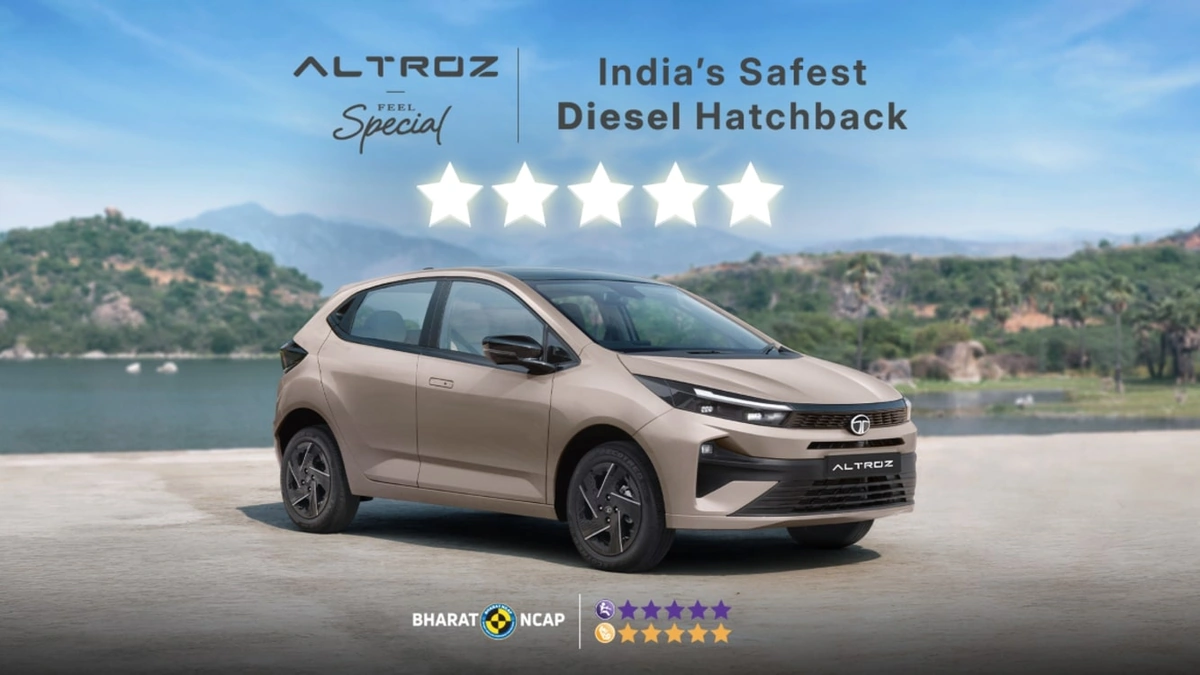
Leading the pack in recent years have been models from manufacturers who took vehicle safety standards India seriously, often exceeding initial expectations. Tata Motors, for instance, has been a trailblazer. Their Altroz hatchback was one of the first Indian-made cars to achieve a 5-star adult occupant protection rating and a respectable 3-star for child protection under the stricter Global NCAP ratings India protocols. This wasn’t just about meeting a benchmark; it was about setting a new one. The Altroz impressed with its stable body shell and minimal intrusion, providing a safe environment for its occupants.
Another strong performer, often cross-shopped with hatchbacks due to its compact footprint, is the Tata Punch. While technically a micro-SUV, its dimensions and pricing often place it squarely in the hatchback consideration set. The Punch also boasts a 5-star adult safety rating and 4-star child safety, a truly commendable feat for its segment. It demonstrates that you don’t need to buy a large, expensive SUV to get top-tier safety.
While Maruti Suzuki was initially criticized for lower safety ratings, they have made significant strides with their newer models and platforms. The latest generation of the Maruti Suzuki Swift, for example, has shown improved safety, though still not reaching the 5-star mark of some competitors. This highlights a critical point: always look for the latest crash test results for a specific generation of a car, as manufacturers continuously update their platforms.
It’s also worth noting that safety isn’t static. Manufacturers are constantly innovating, and new regulations are always on the horizon. Therefore, when researching your next car, always check the official Global NCAP website or other reputable testing agencies for the most up-to-date and specific crash test results hatchback for the variant you are considering. For more detailed information on specific car models and their safety assessments, the official Global NCAP website ( www.globalncap.org ) is an invaluable resource.
Your Budget, Your Safety | Finding an Affordable Safe Car in India
This is where the rubber meets the road, isn’t it? In India, budget plays a monumental role in car-buying decisions. The perception has long been that safety comes at a premium, an expensive add-on that many feel they can’t afford. But I’m here to tell you that this narrative is changing. Finding an affordable safe car in India is no longer a pipe dream; it’s a tangible reality, thanks to increased competition and evolving consumer demands.
The excellent performance of models like the Tata Altroz and Punch (which fall into accessible price brackets) proves that high safety ratings are achievable without breaking the bank. These cars offer substantial adult occupant protection and reasonable child occupant safety at prices competitive with other popular hatchbacks that might offer fewer safety credentials. It’s about smart engineering and prioritizing occupant protection in the design phase, rather than just bolting on a few airbags at the end.
When you’re on a tighter budget, it becomes even more crucial to prioritize fundamental safety. Look for cars that have at least a 4-star Global NCAP rating. This usually signifies a stable body shell, which is the cornerstone of passive safety. Beyond the structural integrity, ensure the car offers dual airbags (driver and co-driver) as standard, along with ABS (Anti-lock Braking System) and EBD (Electronic Brakeforce Distribution). These are now often standard even in entry-level variants, thanks to government regulations, but it’s always wise to double-check.
While higher variants might offer more airbags or advanced driver-assistance systems (ADAS), the foundational safety offered by a well-engineered 4 or 5-star rated base model is often more than sufficient for everyday use and significantly reduces the risk of serious injury compared to a poorly rated vehicle. Don’t be swayed entirely by flashy infotainment screens; sometimes, the best investment is in the unseen engineering that keeps you safe. Remember, an accident doesn’t care about your car’s features; it cares about its structural integrity. You can explore various car models and their general features on our main platform to get a broader perspective before honing in on safety specifics.
The Road Ahead | Elevating Vehicle Safety Standards India
The journey towards safer roads and safer cars in India is far from over, but we’ve undeniably turned a corner. The introduction of Bharat NCAP , India’s own indigenous car assessment program, marks a monumental step forward. This initiative aims to align safety testing with Indian conditions and regulatory frameworks, further strengthening accountability among manufacturers.
What does this mean for you, the consumer? It means more localized and relevant safety data will be available, empowering you to make even more informed choices when looking for the safest hatchback in India . It will also foster greater competition among carmakers to achieve higher safety ratings, as these ratings will increasingly influence purchasing decisions.
However, legislation and testing alone aren’t enough. Consumer awareness plays a pivotal role. The more we, as buyers, demand safer cars and actively seek out Global NCAP ratings India , the more pressure we put on manufacturers to prioritize safety across all segments, not just the premium ones. Every time you choose a 4 or 5-star rated car over a lower-rated one, you’re casting a vote for safety, and that collective voice is powerful.
The push for advanced car safety features India will also continue. We can expect to see more active safety technologies, such as Electronic Stability Control (ESC) and side airbags, becoming standard even in entry-level and mid-range hatchbacks. These technologies are proactive, designed to prevent accidents from happening in the first place, adding another layer of protection that goes beyond surviving a crash. It’s an exciting time, where technology and consumer demand are converging to make our driving experiences inherently safer.
Choosing the safest hatchback in India isn’t just a personal decision; it’s a contribution to a larger movement towards safer mobility for everyone. It’s about understanding that peace of mind comes not from ignorance, but from informed choices. It’s about valuing human life, starting with your own and that of your family.
Frequently Asked Questions About Hatchback Safety
Q1 | Are all 5-star rated cars equally safe?
While a 5-star rating indicates excellent protection, it’s not always ‘equally safe’ across different testing protocols or generations. Factors like specific test conditions, the year of testing, and the detailed adult and child occupant safety scores can vary. Always compare reports and look for the latest ratings.
Q2 | What’s the minimum number of airbags for a safe hatchback?
According to current Indian regulations, dual airbags (driver and co-driver) are mandatory. While more airbags (side, curtain) generally offer enhanced protection, a 4-star or 5-star rated car with dual airbags and a strong body structure is significantly safer than a poorly rated car with many airbags.
Q3 | Does ABS and EBD make a car safe?
Absolutely. ABS (Anti-lock Braking System) prevents wheels from locking during hard braking, allowing the driver to steer and avoid obstacles. EBD (Electronic Brakeforce Distribution) optimizes braking force to each wheel. These are crucial active car safety features India that help prevent accidents in the first place.
Q4 | How important is child occupant safety in a hatchback?
Extremely important. Children are more vulnerable in a crash, and a car’s ability to securely hold child seats (via ISOFIX) and protect child occupants in specific test scenarios is paramount. Always check the separate child occupant safety score in Global NCAP ratings India reports.
Q5 | Where can I find the official Global NCAP ratings India for a car?
The most reliable source for official Global NCAP ratings India is their dedicated website: www.globalncap.org/safer-cars-for-india . You can search for specific models and view detailed reports.