
 By Car gamerewardz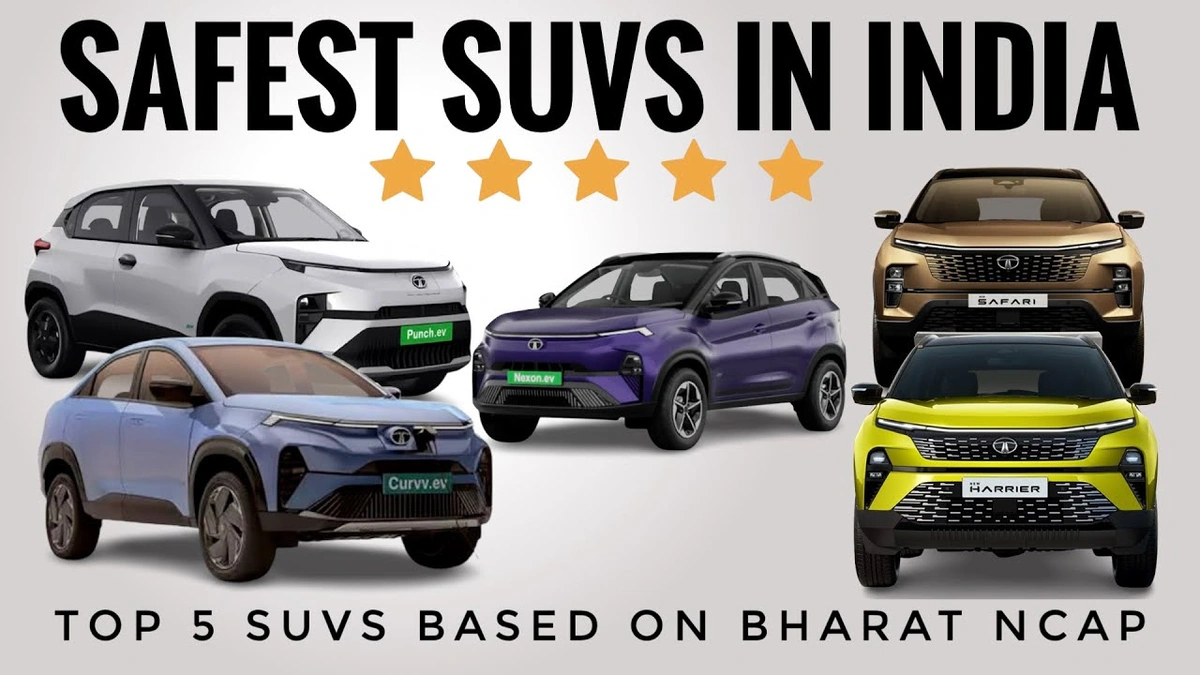
Alright, let’s have a candid chat over that imaginary cup of chai, shall we? When it comes to buying an SUV in India, what’s the first thing that often pops into our heads? Size, right? A bigger vehicle just feels safer. It’s a common perception, almost an instinct. But here’s the thing, and this is where my analyst hat comes on: assuming a massive metal box automatically translates to top-tier safety is, frankly, a bit outdated. The real question isn’t just ‘which SUV is big?’ but ‘which are the safest SUV cars in India , and more importantly, why ?’
We’ve all seen the dramatic images of vehicles after an accident. And it’s those moments that truly drive home the importance of crashworthiness. For years, we relied on brand reputation or sheer bulk. But the game has changed, thanks in no small part to organizations like Global NCAP . They’ve brought scientific rigor and transparent safety ratings to the forefront, turning abstract notions of safety into tangible star ratings. This isn’t just about avoiding a dent; it’s about protecting lives, about your family returning home safely. It’s about moving from a feeling of safety to a certified, data-backed assurance. And that, my friends, is why understanding what truly makes an SUV safe is more critical than ever.
Decoding SUV Safety | Beyond Just Size and Perception
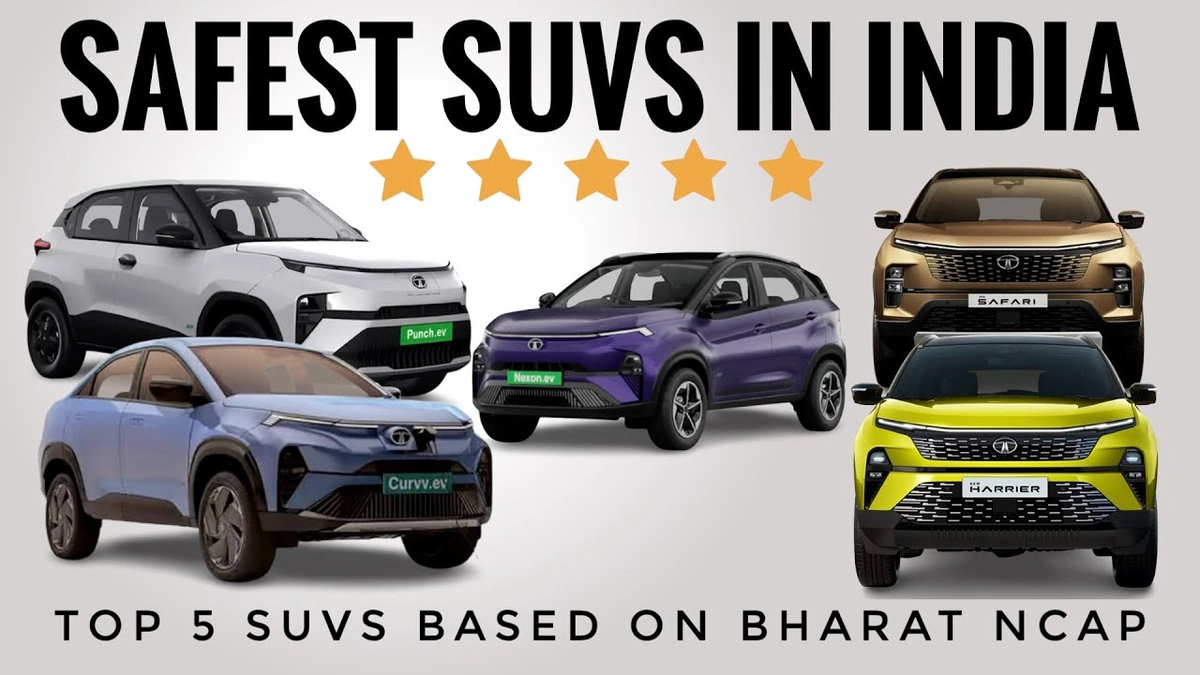
You see, the perception that bigger is inherently safer is a comforting one, but it’s often a false comfort. A substantial footprint and high ground clearance certainly offer a commanding road presence, but they don’t automatically guarantee superior protection in a collision. What truly matters? It’s a complex interplay of engineering, material science, and intelligent design. When we talk about `GNCAP ratings India`, we’re talking about controlled environments where vehicles are subjected to frontal and side impact tests, revealing their structural integrity and how well they protect adult and child occupants. This is the bedrock of what makes an SUV genuinely safe.
Think about it: a well-engineered crumple zone directs crash energy away from the passenger cell. High-strength steel in critical areas maintains the cabin’s structure. Multiple airbags deploy strategically to cushion occupants. These are the elements that determine true `SUV crash test India` performance. The shift in the Indian market towards embracing these quantifiable safety standards has been fascinating. Earlier, features like power windows or a touchscreen might have been the primary selling points. Now, discussions around crash test performance , the number of airbags, and Electronic Stability Program (ESP) are becoming mainstream. It shows a maturing market, where consumers, quite rightly, demand more than just aesthetics and convenience. It’s a testament to the growing awareness that an SUV is not just a status symbol, but a shield for loved ones.
The Stars Speak | Top Contenders for Safest SUVs in India
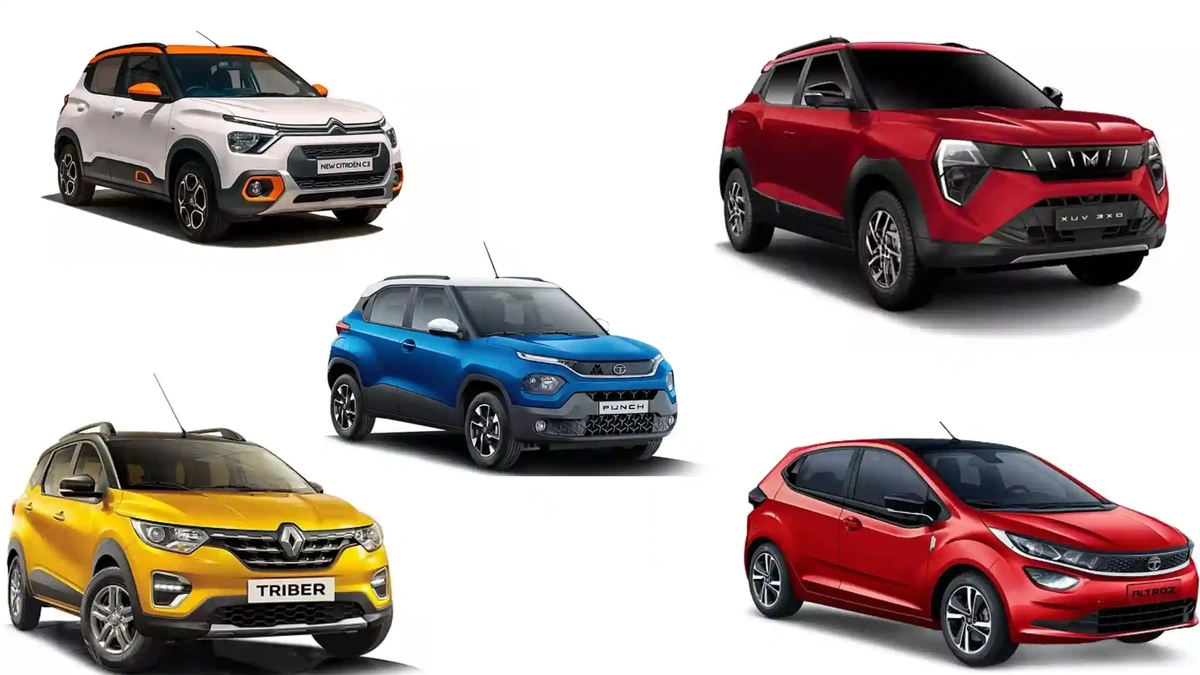
So, which vehicles are walking the talk? When we look at the top-rated SUVs for safety as per independent evaluations like Global NCAP, a few names consistently shine. These aren’t just big vehicles; they are meticulously engineered machines designed to withstand severe impacts. Take, for instance, the Mahindra XUV700, a veritable fortress on wheels that has consistently achieved top adult and child occupant protection scores. Then there’s the Tata Nexon, a pioneer in bringing 5-star safety to the mass market, proving that safety isn’t exclusive to premium segments. And let’s not forget the impressive build quality SUVs India sees in models like the Mahindra Scorpio-N, the Tata Punch, or even the European contenders like the Skoda Kushaq and Volkswagen Taigun, which have also proven their mettle.
What these vehicles have in common isn’t just a particular badge, but a commitment to structural rigidity, robust chassis, and a comprehensive suite of safety features. They’ve invested heavily in engineering that prioritizes passenger cell integrity, ensuring that in the unfortunate event of a collision, the cabin remains as intact as possible. This is where you see the real difference in build quality. These are the safest family SUVs India has on offer, vehicles where you can genuinely feel a sense of security. It’s about choosing an SUV that not only looks good and performs well but also offers peace of mind when navigating India’s often unpredictable roads. If you’re exploring your options, you might want to check out the general vehicle categories ongamerewardz Carsfor a broader perspective on different car types and their offerings.
What to Look For | Essential Safety Features Explained
Beyond the star ratings and the overall build quality, what specific elements should you scrutinize? This is where understanding SUV safety features explained comes into play. You’ll hear terms like active and passive safety, and it’s important to know the distinction. Think of active safety features as the vigilant guardians working tirelessly to prevent an accident from happening in the first place. This includes Anti-lock Braking System (ABS) with Electronic Brakeforce Distribution (EBD), which prevents wheel lock-up during hard braking. Then there’s Electronic Stability Program (ESP), a truly life-saving technology that helps maintain control during skids or sudden maneuvers.
On the other hand, passive safety features are your protectors during an accident. These are the elements that mitigate injuries once an impact is inevitable. The most obvious examples are airbags – and the more, the merrier, honestly. Driver, passenger, side, curtain, knee airbags – each plays a crucial role. ISOFIX child seat mounts are non-negotiable for safest family SUVs India, ensuring secure installation of child seats. Seatbelt pretensioners and load limiters are also vital, tightening the seatbelt instantaneously during a crash and then releasing just enough slack to prevent chest injuries. It’s a comprehensive approach; you need both active and passive systems working in harmony to create a truly safe vehicle. A car with six airbags but poor structural integrity is still a compromise, just as a sturdy car without ABS is missing a crucial piece of the puzzle.
Budget vs. Bumper | Finding Value in Safety
Let’s address the elephant in the room: does safety always come with a premium price tag? Not necessarily, and this is where the market in India has truly evolved. While it’s true that some advanced features are typically found in higher trims or more expensive models, basic high safety ratings are becoming increasingly accessible. We’re seeing manufacturers like Tata and Mahindra pushing the envelope, offering 4-star and 5-star GNCAP rated vehicles across various price points. This means finding budget-friendly safest SUVs is no longer a pipe dream.
It’s about making an informed choice and prioritizing. Sometimes, opting for a mid-trim variant of a safer car might be a more sensible investment than a top-trim variant of a less safe one, even if the price is similar. When we talk about best value safety SUVs, we’re essentially looking for the sweet spot where robust crash test performance meets affordability. It means getting a vehicle with good structural integrity, dual airbags, ABS, and ESP as standard, without necessarily breaking the bank for every conceivable bell and whistle. Remember, true value for money isn’t just about features and comfort; it’s profoundly about the peace of mind that comes with knowing your vehicle is built to protect. It’s a non-negotiable aspect of ownership in my book.
The Road Ahead | Evolving Safety Standards & Your Choice
The journey towards safer roads and safer vehicles in India is ongoing, and it’s exhilarating to witness. With stricter regulations on the horizon, including mandatory six airbags for new cars, and the increasing proliferation of advanced driver-assistance systems (ADAS) in even mid-range SUVs, the future looks promising. ADAS features, such as autonomous emergency braking, lane-keeping assist, and adaptive cruise control, are ushering in a new era of proactive safety, further cementing the case for truly safest SUV cars in India. They are designed to prevent accidents where human error might otherwise prevail, adding another layer of protection that goes beyond traditional active and passive safety in SUVs.
Ultimately, the power of choice lies with you, the consumer. By staying informed, looking beyond superficial aesthetics, and delving into the scientific safety ratings, you’re not just buying a car; you’re making a profound statement about the value you place on life and limb. The more we demand safety, the more manufacturers will prioritize it. So, when you’re next considering an SUV, ask the deeper questions. Look up its GNCAP rating. Inquire about its active and passive safety suite. Make an informed decision that truly reflects safety first. For a deeper dive into the world of SUVs specifically, you can always browse relevant categories likeSUVs on gamerewardz.
For authoritative data on vehicle safety, I always recommend checking out the official Global NCAP website. They provide comprehensive reports and ratings that cut through the marketing jargon, offering clarity and transparency for your decision-making process. (Global NCAP)
Frequently Asked Questions About SUV Safety
How are SUV safety ratings determined in India?
In India, a significant portion of safety ratings come from independent bodies like Global NCAP. They conduct rigorous crash tests, evaluating how well the vehicle protects adult and child occupants in frontal and side impacts, and assign star ratings based on these assessments. These tests consider structural integrity, airbag effectiveness, and the presence of basic safety features.
Are bigger SUVs always safer?
No, not necessarily. While larger vehicles might offer a psychological sense of security, true safety in an SUV depends on its engineering, structural integrity, and the quality of its active and passive safety features, not just its size. A smaller, well-engineered SUV can often be safer than a larger one with a weaker structure.
What is ADAS and how does it contribute to SUV safety?
ADAS stands for Advanced Driver-Assistance Systems. These are technologies designed to assist the driver and prevent accidents. Features like Autonomous Emergency Braking (AEB), Lane Keeping Assist (LKA), Adaptive Cruise Control, and Blind Spot Monitoring help in avoiding collisions or mitigating their severity, thus enhancing overall SUV safety features.
Can I trust manufacturer claims about safety?
While manufacturers conduct their own tests, it’s always best to cross-reference claims with independent third-party crash test agencies like Global NCAP. Their unbiased ratings and detailed reports provide a transparent and reliable benchmark for a vehicle’s actual safety ratings and crash test performance.
What are the top safety rated SUVs available right now?
As of recent assessments, some of the top-rated SUVs for safety in India include models like the Mahindra XUV700, Tata Nexon, Mahindra Scorpio-N, Tata Punch, Volkswagen Taigun, and Skoda Kushaq, all of which have achieved impressive GNCAP ratings for both adult and child occupant protection.
The Final Word | Drive Smart, Drive Safe
Choosing an SUV in India today is about more than just horsepower or looks. It’s about making an informed decision that safeguards what matters most. It’s about understanding that while size might give you presence, it’s intelligent design, robust engineering, and comprehensive safety features that truly offer protection. So, next time you’re on the hunt for the safest SUV cars in India , remember our chat. Look beyond the flashy ads, dive into the details, and pick a vehicle that offers not just a ride, but genuine peace of mind. Happy and safe driving!