
 By Car gamerewardz
Ah, the classic Indian question: “Kitna deti hai?” (How much does it give?). It’s more than just a phrase; it’s practically a national mantra when discussing cars, especially sedans. And honestly, it’s a brilliant question because in our beautiful, bustling country, sedan car mileage isn’t just a number on a spec sheet; it’s a financial superpower, a statement, and often, the deciding factor in our automotive choices. Let’s be real, with fluctuating fuel prices and the sheer joy (and occasional pain) of long-distance family drives, understanding your sedan’s fuel efficiency is paramount. I mean, who wants to constantly worry about the next fuel stop when you’re cruising down a highway, right?

This isn’t just about reading the manufacturer’s claims; it’s about digging deeper, understanding the ‘why’ behind the numbers, and figuring out ‘how’ to truly make every drop count. It’s about being smart with your investment, and frankly, enjoying the ride without that nagging fuel bill anxiety. So, grab a cup of chai, and let’s unravel the fascinating, sometimes frustrating, world of sedan mileage in India.
The Mileage Mystique: Why Every Kilometre Counts in India
Here’s the thing about India: our relationship with our cars is different. It’s not just transport; it’s a lifestyle statement, a family member, and a significant investment. And a huge part of that investment is the running cost, where fuel efficiency India plays the lead role. Unlike some developed nations where fuel is comparatively cheaper and disposable incomes higher, every rupee spent at the petrol pump stings a little here. This creates a unique emphasis on `car running cost`, making sedan car mileage a top priority for most buyers.
What fascinates me is how deeply ingrained this `petrol price impact` calculation is in our collective consciousness. From urban commutes battling bumper-to-bumper traffic to epic cross-country journeys visiting relatives, the lower the fuel consumption, the better. It directly impacts our monthly budgets and how often we choose to take our cars out. This isn’t just about saving money; it’s about freedom – the freedom to drive without constantly checking the fuel gauge with a worried frown.
But then there’s the big elephant in the room: ARAI figures versus what you actually get. The Automotive Research Association of India (ARAI) provides standardised `ARAI mileage` figures, tested under controlled conditions. These are great for comparison, sure, but they often don’t reflect the gritty reality of Indian roads. Stop-and-go traffic, aggressive driving, AC blasting in summer, heavy loads, and even hilly terrains – all these factors conspire to deliver significantly lower real-world mileage. Trust me, I’ve seen countless discussions in car owner forums where people share their `ARAI mileage vs real world` experiences, and the gap can be substantial. It’s crucial to understand this distinction; don’t just rely on the brochure. Think of ARAI as a benchmark, not a guarantee.
Unpacking the Numbers: Petrol vs. Diesel Sedan Car Mileage
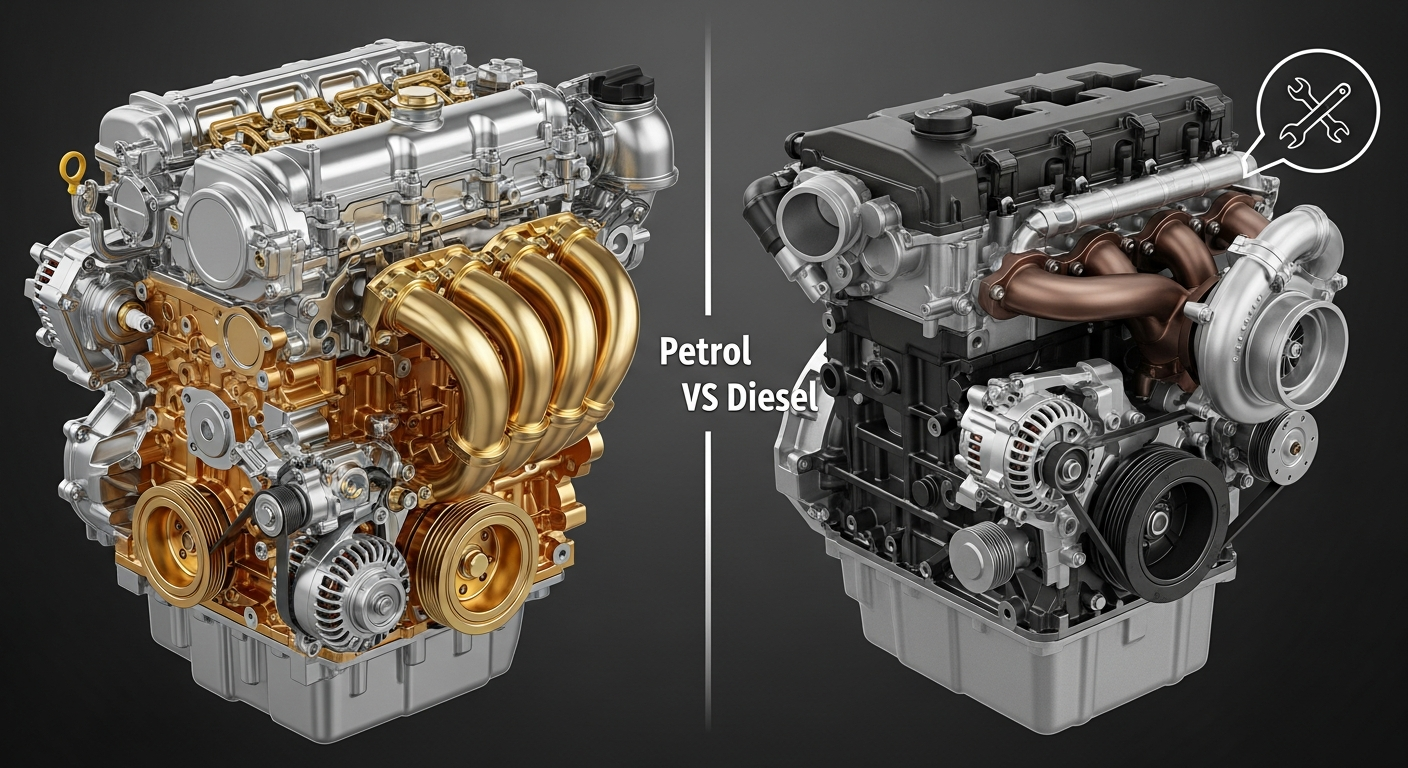
The great Indian debate: petrol or diesel? For years, diesel was the undisputed king of mileage, offering significantly better numbers per litre than its petrol counterpart. This made `diesel sedan mileage` incredibly attractive, especially for high-usage drivers. The logic was simple: higher upfront cost for the diesel variant, but lower running costs due to better mileage and historically cheaper fuel. However, things are shifting, and fast.
Today, the gap in fuel prices between petrol and diesel has narrowed considerably in many states. Moreover, stricter emission norms (BS6) have made diesel engines more complex and expensive to manufacture, pushing up their prices. This means the initial cost difference between a petrol and diesel sedan is now even greater. When you factor in the higher maintenance costs associated with diesel engines (especially DPF cleaning and other emission control systems), the scales are starting to balance. `Diesel sedan performance` is still robust, offering more torque, which is great for highway driving, but the economic argument isn’t as clear-cut as it once was.
On the other hand, petrol sedan mileage has seen remarkable improvements thanks to advanced engine technologies like direct injection, turbocharging, and mild-hybrid systems. These innovations mean modern petrol sedans are far more fuel-efficient than their predecessors. For those with moderate daily commutes or who prefer the smoother, quieter nature of petrol engines, a petrol sedan often makes more financial sense now. It really boils down to your expected usage, the price difference at the showroom, and your long-term ownership plans.
Beyond the Brochure: Factors Truly Affecting Your Sedan’s Fuel Efficiency
Let me tell you, what impacts your sedan car mileage goes way beyond what engine you pick. It’s a dynamic interplay of your car, your driving, and your environment. Understanding these `factors affecting car mileage` is like unlocking a cheat code for better economy. It’s powerful stuff.
- Your Driving Habits: This is arguably the biggest game-changer. Aggressive acceleration, sudden braking, and excessive speeding are mileage killers. Smooth, gradual inputs are your best friends. Think Zen driving! Maintaining a steady speed, especially on highways, makes a massive difference. Understanding fuel efficiency means understanding how your foot on the pedal translates directly to your wallet.
- Vehicle Maintenance: Ever thought about `car maintenance` as a mileage booster? It absolutely is. Under-inflated tyres increase rolling resistance, forcing your engine to work harder. Clogged air filters choke your engine, reducing its efficiency. Regular oil changes, spark plug replacements, and keeping your engine in top shape are non-negotiable for optimal fuel efficiency. This is where `vehicle maintenance for fuel economy` becomes a critical practice.
- Traffic & Road Conditions: Sadly, we can’t control Mumbai’s peak-hour traffic or those infamous Indian potholes. Constant stop-and-go driving and navigating rough roads significantly reduce mileage. The engine isn’t operating at its most efficient RPMs, and energy is wasted in constant acceleration and deceleration.
- AC Usage: Yes, blasting the AC on full during a scorching Indian summer does impact your mileage. The compressor puts an extra load on the engine. While you shouldn’t sweat it out entirely, using it judiciously can save some fuel.
- Load & Weight: The heavier your car, the more fuel it consumes. Emptying unnecessary junk from your boot and backseat can contribute to marginally better mileage.
- Engine Technology: Modern `engine technology fuel efficiency` plays a huge role. Features like start/stop systems, continuously variable transmissions (CVTs), and mild-hybrid setups are designed specifically to eke out more kilometres per litre. When exploring sedan models, keep an eye out for these innovations.
It’s all about holistic awareness. Your `driving habits` and how well you maintain your car directly translate to the `improve sedan fuel economy` you experience.
Top Picks: Sedans That Go the Extra Mile (Without Breaking the Bank)
Okay, so you’re convinced that mileage is king. Now, which sedans in India truly stand out? While I won’t dive into exhaustive lists (as models and their specs evolve constantly), some names consistently pop up when discussing best mileage sedans.
For those looking at `compact sedan mileage`, cars like the Maruti Suzuki Dzire and Honda Amaze often lead the pack. They offer a fantastic blend of city maneuverability, decent space, and impressive fuel figures, especially in their petrol variants with manual or AMT gearboxes. Moving up to `mid-size sedan mileage`, the Maruti Suzuki Ciaz and Honda City have long been benchmarks. The Ciaz, with its mild-hybrid technology, consistently delivers exceptional numbers, while the City, especially its hybrid version, pushes the boundaries of petrol efficiency. Even the Hyundai Verna, with its array of engine options, offers competitive figures that appeal to a wide audience.
When you’re comparing, remember to look beyond the top-line ARAI numbers. Read owner reviews, watch expert videos, and factor in your actual driving conditions. What works for a city dweller might be different for someone doing long highway stretches. It’s all about finding the sedan that aligns with your specific needs and, of course, your mileage expectations.
The Art of Maximizing Your Sedan Car Mileage: Practical Tips for Indian Drivers
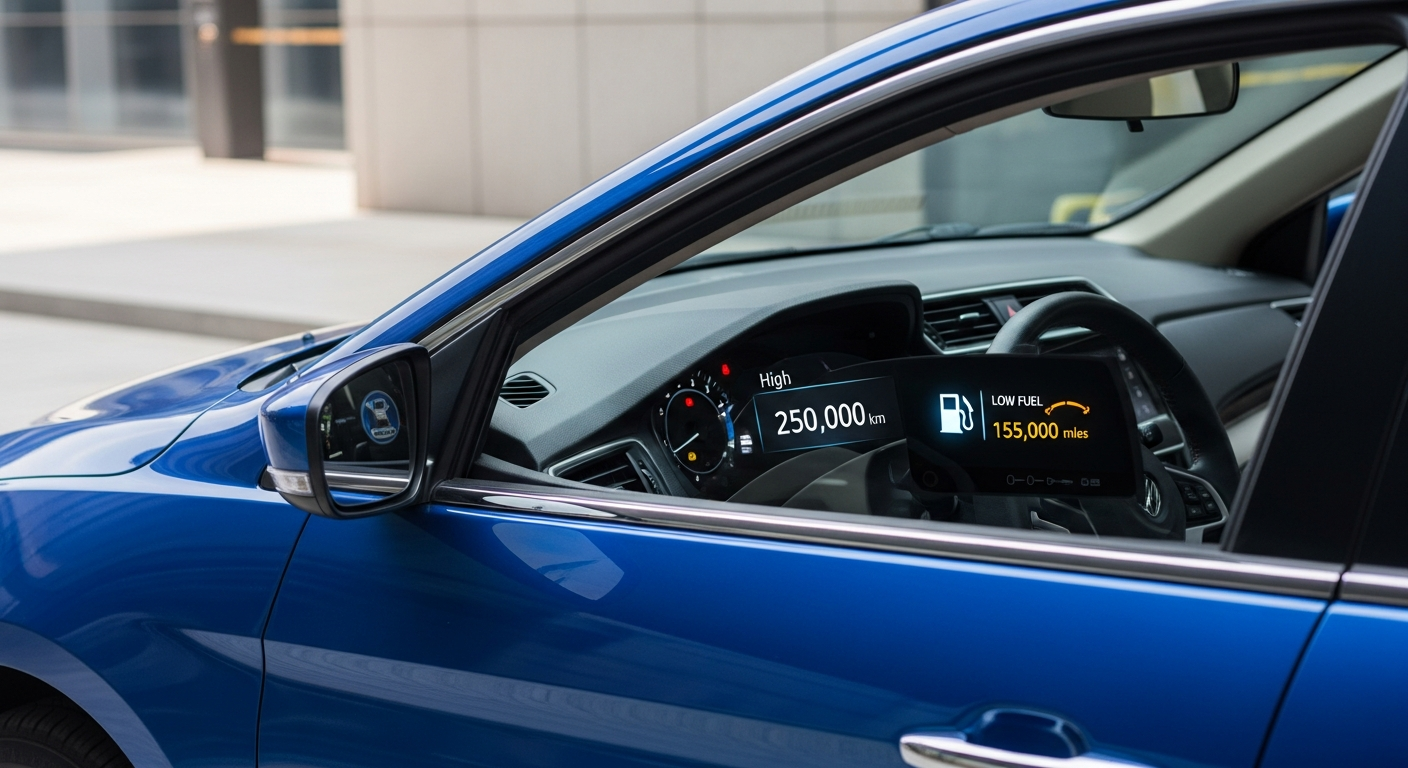
So, you’ve chosen your sedan, understood the theory. Now for the practical bits. How do we squeeze every possible kilometre out of that precious fuel? Here are some `driving tips for mileage` that actually work on Indian roads:
- Smooth Acceleration and Braking: This is a golden rule. Accelerate gently, and anticipate stops to coast rather than brake suddenly. Every aggressive input wastes fuel.
- Maintain Optimal Tyre Pressure: This one is so simple, yet so often ignored. Correct tyre pressure reduces rolling resistance. Check it weekly! An under-inflated tyre is not only a safety hazard but a significant drain on your fuel efficiency.
- Regular Servicing and Tune-Ups: As I mentioned earlier, `sedan maintenance tips` are crucial. A well-maintained engine runs more efficiently. Stick to your service schedule, get those filters cleaned/replaced, and ensure your engine oil is fresh.
- Use the Right Gear: If you drive a manual, shift up early. Don’t lug the engine in a high gear, but don’t hold revs too high either. For automatics, understand your car’s characteristics and use ‘Eco’ modes if available.
- Avoid Idling: Stuck at a long traffic light or waiting for someone? If it’s going to be more than 30 seconds, switch off your engine. Modern cars handle this perfectly fine, and it prevents unnecessary fuel burn.
- Plan Your Routes: Using navigation apps to avoid traffic jams not only saves time but also fuel. Less stop-and-go means better mileage.
- Reduce Unnecessary Weight: Do you really need that toolbox, half-used water bottles, and three spare pairs of shoes in your boot? Every extra kilo impacts mileage.
Adopting these habits won’t just save you money; they’ll also lead to a smoother, safer, and more relaxed driving experience. It’s a win-win, isn’t it? To explore more about vehicle care and performance, consider browsing our comprehensive guide to everything automotive.
Frequently Asked Questions About Sedan Mileage
What exactly is ARAI mileage and how reliable is it?
ARAI mileage is a figure derived from standardized tests conducted under controlled conditions to allow for fair comparisons between vehicles. While it’s a good benchmark for comparing different models, it often doesn’t reflect `real-world mileage` due to varying driving conditions, traffic, and personal driving styles in India. It should be seen as an indicative figure, not an absolute guarantee.
Can driving with AC really impact fuel efficiency significantly?
Yes, running the air conditioner does put an additional load on your engine, which in turn consumes more fuel. The impact can vary, but typically it can reduce your sedan car mileage by 5-10% in city driving. On highways, the impact is less noticeable at steady speeds. For better `improve sedan fuel economy`, use AC judiciously.
Is it worth paying more for a diesel sedan for better `diesel sedan mileage`?
The value proposition for diesel sedans has changed. While they still offer better `diesel sedan mileage`, the higher initial purchase cost, increased maintenance (especially for BS6 models), and narrowing petrol-diesel price gap mean that for most average users (driving less than 15,000-20,000 km/year), a petrol sedan might be more economical in the long run. It largely depends on your usage pattern.
How often should I get my sedan serviced to maintain optimal `car mileage`?
For optimal `car mileage` and overall performance, it’s crucial to stick to the manufacturer’s recommended service schedule, which is typically every 6 months or 10,000 km, whichever comes first. Regular `sedan maintenance tips` like timely oil changes, filter replacements, and tyre rotations are key to ensuring your engine runs efficiently.
What’s the best way to calculate my real-world mileage?
The most accurate way to calculate your real-world mileage is the ‘tank-to-tank’ method. Fill your tank to the brim, reset your trip meter to zero. Drive as you normally would. When the fuel light comes on, or you decide to refill, fill it to the brim again, noting the litres filled. Divide the kilometres travelled (from your trip meter) by the litres filled. Repeat this a few times for an average.
So, there you have it. The world of sedan car mileage is nuanced, fascinating, and deeply personal. It’s not just about picking the car with the highest number in the brochure; it’s about understanding the ‘why’ behind the numbers, adopting smart `driving habits`, and staying disciplined with `car maintenance`. By doing so, you’re not just saving money; you’re becoming a more informed, responsible, and ultimately, a happier driver. Because in India, a car that ‘gives good mileage’ isn’t just a vehicle; it’s a wise companion for life’s many journeys.