
 By Car gamerewardz
Alright, let’s talk about something that probably keeps you up at night, especially with petrol prices doing their usual dance: mileage. Specifically, the holy grail of small cars with best mileage . If you’re anything like me, you’re not just looking for a car; you’re looking for a financial lifeline in a market where every rupee counts. And let’s be honest, in India, a small car isn’t just a convenience; for many, it’s a necessity, a ticket to independence, and a testament to smart spending. But here’s the thing: merely buying a car touted for its fuel efficiency isn’t enough. You need to know how to choose wisely, how to read between the lines, and most importantly, how to drive it to truly unlock those impressive figures. That’s precisely what we’re diving into today – your ultimate guide to becoming a mileage maestro!
I remember my neighbour, Rohan, who bought a brand-new hatchback, convinced he’d be saving a fortune. A few months in, he was scratching his head, wondering why his fuel bills weren’t as low as promised. The culprit? A mix of factors, from his driving habits to not understanding the car’s sweet spot. This isn’t just Rohan’s story; it’s a common one. We’re going to make sure it’s not yours. We’re not just talking about cars; we’re talking about smart living and making every drop count for yourhatchback segmentchoice.
The Mileage Matrix | Understanding What Drives Fuel Efficiency

Before we jump into specific models, let’s peel back the layers and understand what truly dictates a car’s mileage. It’s more than just the engine size, you know? It’s a complex interplay of engineering and physics. Think of it like a finely tuned instrument; every component plays a part.
First up, the engine. Generally speaking, smaller engines (1.0L to 1.2L for petrol, 1.3L for diesel) tend to be more fuel-efficient, especially when paired with a lightweight body. But don’t just look at displacement. Modern engines, with technologies like variable valve timing and direct injection, can squeeze more kilometres out of every litre. This is where researching petrol mileage cars specifically designed for urban Indian conditions becomes crucial. Transmission also plays a massive role. Manual transmissions often offer slightly better real-world mileage than automatics if driven skillfully, simply because you have more control over gear changes. However, advanced automatics like AMTs (Automated Manual Transmissions), particularly prevalent in India, are closing this gap rapidly, offering convenience without a huge penalty on fuel. Weight is another silent killer of mileage. The lighter the car, the less effort the engine needs to move it. This is why fuel-efficient compact cars are often designed with lighter platforms and materials, contributing significantly to their economy figures.
Then there’s aerodynamics. While you might not notice it on a small hatchback, its shape impacts how it cuts through the air. Less drag means less power needed to maintain speed, translating to better mileage on highways. Tyres too! Low rolling resistance tyres can make a small difference. So, when you’re comparing options, it’s not just about the big numbers; it’s about the entire package. It’s a science, and understanding this science is your first step towards finding those trulyfuel efficiencychampions.
Top Contenders | Small Cars That Rule India’s Roads for Mileage
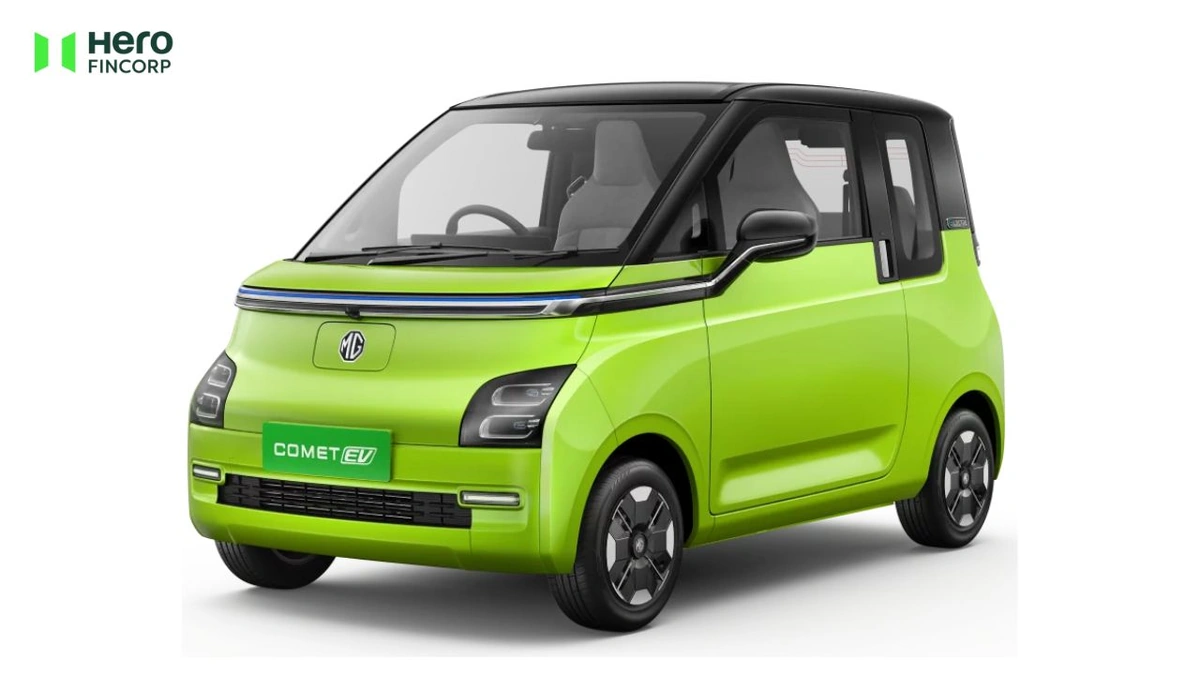
Now, for the fun part! While I won’t name specific models (because preferences and offerings change faster than Mumbai traffic), I can guide you on the brands and segments that consistently deliver when it comes to the best mileage hatchbacks in India. We’re talking about the cars that have become synonymous with economy and reliability in our country.
Traditionally, Maruti Suzuki has been the undisputed king here. Their engineering philosophy heavily prioritises fuel efficiency and low running costs, making them the go-to for many looking for top mileage cars India has to offer. Models across their entry-level and compact segments are usually at the forefront. Hyundai, with its strong presence, also offers some excellent contenders that balance features, comfort, and decent mileage. Tata Motors has made significant strides, especially with their Revotron petrol engines, providing competitive figures along with robust build quality. Brands like Renault and Datsun also have models that punch above their weight in the mileage department, particularly in the micro-hatchback segment.
When you’re browsing, look for cars that:
- Feature proven, refined small capacity engines (1.0L to 1.2L petrol).
- Have a good power-to-weight ratio, meaning they don’t feel underpowered, which can lead to aggressive driving and lower mileage.
- Are available with well-calibrated manual or AMT transmissions.
- Are part of brands known for widespread service networks, which is crucial for maintaining optimal performance and, thus, mileage.
Don’t just take the headline figure; dive into reviews that talk about real-world conditions. That 25 km/l figure might be achievable under perfect test conditions, but what about your daily bumper-to-bumper commute? That’s the practical aspect we’re really interested in, right?
Beyond the Brochure | Hidden Factors & What Dealers Won’t Tell You
This is where my analyst hat comes on. That mileage figure proudly displayed in the brochure? It’s usually the ARAI (Automotive Research Association of India) certified figure. And while it’s a great benchmark for comparison, it’s often achieved under very specific, controlled test conditions. Real-world mileage, unfortunately, almost always differs.
Why? Because you don’t drive on a perfectly flat test track with no traffic, ideal temperatures, and gentle acceleration. Your daily drive involves city snarls, sudden braking, spirited overtakes, and maybe even a mountain road or two. The actual figure you get will be influenced by several often-overlooked factors:
- Driving Style: This is arguably the biggest differentiator. Aggressive acceleration, hard braking, and high speeds are mileage killers. More on this later!
- Traffic Conditions: Stop-and-go traffic drastically reduces fuel efficiency. An engine idling in traffic consumes fuel without moving the car.
- AC Usage: Running the air conditioner puts an extra load on the engine, directly impacting mileage. While essential in India, judicious use can help.
- Maintenance: A poorly maintained engine, underinflated tyres, or a clogged air filter can significantly reduce efficiency. This is why low maintenance cars are a favourite in India; they are easier to keep in top shape.
- Fuel Quality: Varying fuel quality across pumps can also play a subtle role.
- Load: Carrying more passengers or heavy luggage means the engine has to work harder.
So, when you see a car promising 22 km/l, mentally adjust it down for your typical driving conditions. A good rule of thumb is to expect 10-15% less than the ARAI figure in mixed city-highway conditions, potentially more if you’re mostly in heavy city traffic. Dealers will highlight the ARAI figure, but a seasoned buyer knows to ask about real-world owner experiences or check online forums for practical insights. This pragmatic approach is key when looking for affordable small cars that truly deliver on their promise.
Driving Smarter, Not Harder | Your Personal Mileage Improvement Guide
Even the most fuel-efficient car can be a gas guzzler if driven inefficiently. This section is your personal coaching session on how to squeeze every possible kilometre out of your tank. These are practical, actionable fuel efficiency tips India -specific conditions often demand.
- Smooth Acceleration & Braking: This is paramount. Imagine there’s an egg under your accelerator pedal. Gentle acceleration and anticipating traffic to avoid harsh braking will save you litres. Every time you brake hard, you’re essentially wasting the fuel you used to get to that speed.
- Maintain Consistent Speed: On highways, find a sweet spot (often between 60-80 km/h for most small cars) and try to maintain it. Constant changes in speed are inefficient. Using cruise control, if your car has it, can be a game-changer here.
- Proper Gear Selection: If you drive a manual, shift up early. Don’t lug the engine in a high gear, but don’t over-rev in a low gear either. The goal is to keep the engine in its optimal RPM range, which is usually lower for better economy.
- Check Tyre Pressure Regularly: Underinflated tyres increase rolling resistance, forcing your engine to work harder. Check your tyre pressure at least once every two weeks, or before any long journey. This is a super simple, yet incredibly effective tip!
- Minimize Idling: Stuck in traffic for more than 30 seconds? Turn off your engine. Modern cars use negligible fuel to restart compared to idling.
- Plan Your Routes: Combine errands, avoid peak traffic hours if possible, and choose routes with fewer stops and starts. Fewer kilometres and less idling means more savings.
- Service Your Car Regularly: A well-maintained engine runs more efficiently. Ensure oil changes, air filter replacements, and spark plug checks are done as per the manufacturer’s schedule. This ensures your entry-level cars with high mileage continue to perform optimally.
These driving tips for better mileage might seem small individually, but cumulatively, they can make a significant difference to your monthly fuel bill. It’s about developing mindful driving habits.
The Fuel Dilemma | Petrol, Diesel, CNG, or EV? Making the Right Choice
In India, the fuel choice isn’t just about personal preference; it’s a strategic decision for your wallet, especially when considering a small car with best mileage for your daily grind. We’ve largely focused on petrol, but what about the alternatives?
Diesel Cars: Historically, diesel cars offered superior mileage, especially on highways, and lower fuel costs per litre. However, with stricter emission norms (BS6) and the narrowing price gap between petrol and diesel, the economic advantage isn’t as pronounced as it once was. Plus, diesel cars often have higher upfront costs and potentially more expensive maintenance in the long run. Many manufacturers have also scaled back their small diesel offerings.
CNG Cars: This is where the magic happens for many. CNG cars offer phenomenal running costs, often half that of petrol, making them incredibly attractive for urban dwellers with high daily commutes. Brands like Maruti Suzuki and Tata have extensive factory-fitted CNG car options . The trade-offs? Reduced boot space (due to the CNG tank), fewer refuelling stations compared to petrol, and a slight dip in power output. But for sheer cost-effective daily commute , CNG is hard to beat if infrastructure is available in your area.
Electric Vehicles (EVs): The future is electric, but for the ‘small car with best mileage’ category right now, EVs are still a niche. While they offer zero running costs (per kilometre, ignoring electricity costs and initial purchase), their higher upfront price, range anxiety, and charging infrastructure limitations mean they aren’t yet mainstream for the budget-conscious small car buyer. However, keep an eye on this space; it’s evolving rapidly!
Your choice depends on your usage pattern. If you have a short daily commute and occasional highway trips, petrol makes sense. If your daily running is high (50+ km), and CNG stations are accessible, a CNG car could be your ultimate saviour. This forms a vital part of any sensiblecomprehensive car resourcesguide.
So, there you have it. The journey to finding and optimising your small cars with best mileage isn’t just about reading specs; it’s about understanding the ecosystem – from engineering nuances to your own driving habits and fuel choices. It’s an investment in your financial future, one kilometre at a time. Go forth, drive smart, and may your fuel gauge always be full!
Frequently Asked Questions About Small Car Mileage
What is a good mileage for a small car in India?
Generally, a small petrol car offering 18-20 km/l in mixed conditions (ARAI certified closer to 22-24 km/l) is considered excellent. For CNG cars, anything above 25-30 km/kg is fantastic, considering the lower cost of CNG.
Do small cars really give better mileage than bigger cars?
Yes, typically they do. Smaller cars are usually lighter and equipped with smaller, more efficient engines, which require less fuel to move, especially in city conditions. This makes them ideal for an entry-level cars with high mileage search.
How can I improve my existing small car’s mileage?
Focus on adopting smooth driving habits (gentle acceleration, anticipating stops), maintaining correct tyre pressure, getting regular servicing, minimizing AC usage, and avoiding unnecessary idling. These are tried-and-true driving tips for better mileage .
Are diesel small cars still a good option for mileage in India?
While diesel cars still offer good mileage, especially on highways, their higher purchase price and the reduced price difference with petrol have made them less attractive for the budget small car segment. Petrol mileage cars or CNG options often offer better overall value now.
What role does maintenance play in fuel efficiency?
A huge role! Regular servicing ensures your engine is running optimally, with clean air filters, correct oil levels, and properly functioning spark plugs. Neglecting maintenance can lead to a significant drop in fuel efficiency tips India drivers need.
Should I choose a manual or automatic transmission for better mileage?
Traditionally, manual transmissions offered slightly better mileage for skilled drivers. However, modern automatic technologies, especially AMTs, are highly efficient and often offer comparable figures, providing convenience without a major mileage penalty. It’s a key consideration in any car buying guide India has today.