
 By Car gamerewardz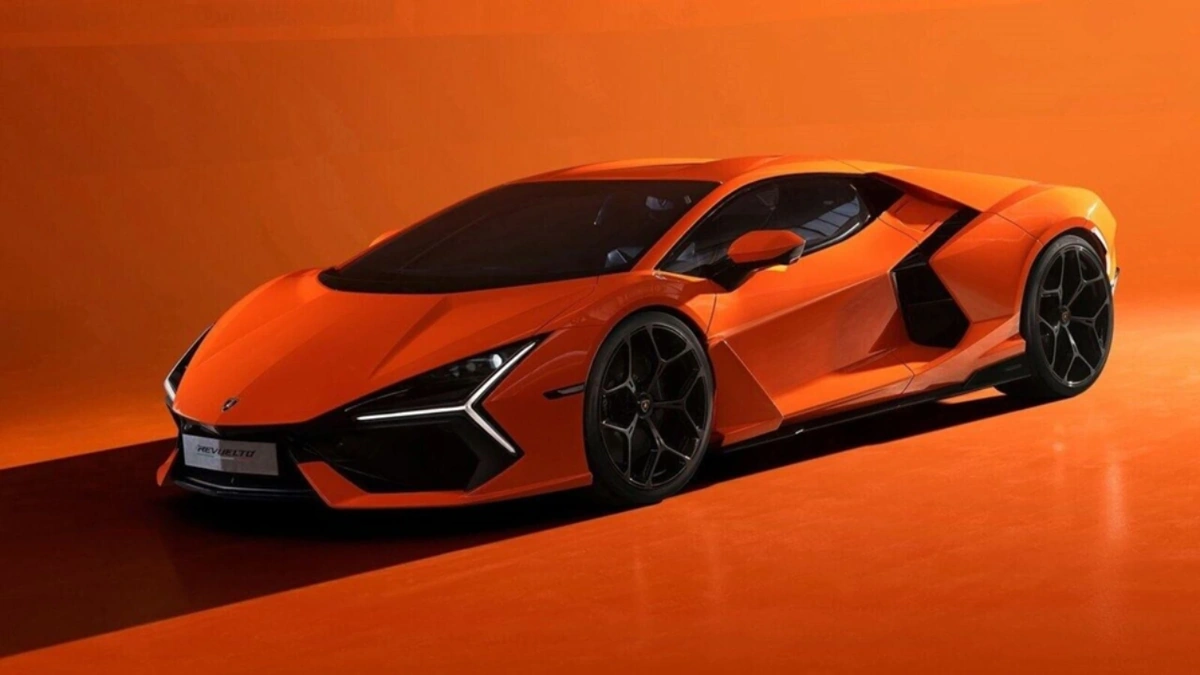
Ah, the sight of a gleaming Ferrari or a roaring Porsche on Indian roads! It’s enough to make any petrolhead’s heart skip a beat, isn’t it? We see the glamorous photos, the celebrity garages, and the occasional flash of an exotic car zipping past. But let’s be honest, the reality of owning and driving sports cars in India is far more complex, intriguing, and sometimes, a little heartbreaking, than the glossy magazine spreads suggest.
What truly fascinates me is not just that people buy these high-performance machines here, but why they do, and more importantly, why it’s such a unique proposition compared to, say, Europe or the UAE. This isn’t just about money; it’s about a fascinating interplay of infrastructure, economics, culture, and a burgeoning sports car culture that defies expectations. Today, we’re diving deep into the ‘why’ – the hidden context and the unspoken challenges that define the ownership experience of these dream machines on our diverse subcontinent.
The Road Less Ridden | India’s Unique Infrastructure Challenge
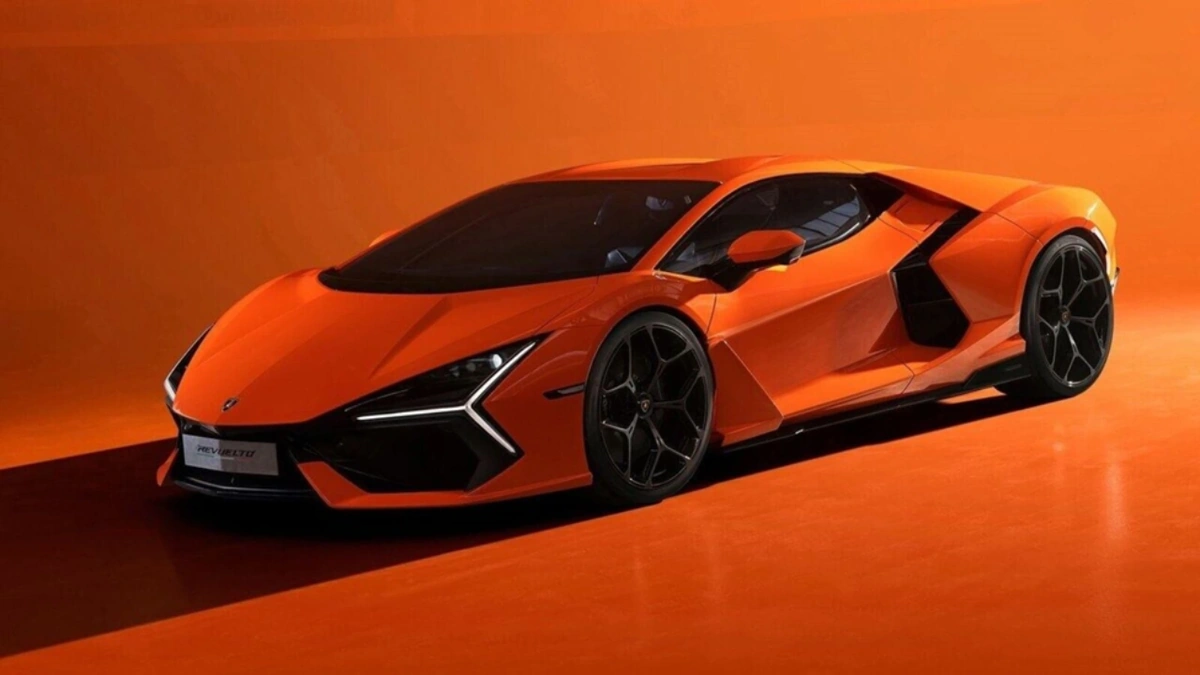
Here’s the thing: a powerful engine and a finely tuned suspension are designed for specific conditions – smooth tarmac, sweeping corners, and open stretches of highway. Now, picture that against the backdrop of an average Indian city street. Suddenly, the picture isn’t quite so idyllic, is it? One of the biggest ‘whys’ behind the unique sports car ownership challenges here is our infrastructure.
While India has made incredible strides in road development, particularly with national highways, the vast majority of our urban and rural roads still present a formidable obstacle course. Think potholes that could swallow a small hatchback, unexpected speed breakers (often unmarked!), and the chaotic dance of daily traffic. Driving a low-slung supercar, with its minimal ground clearance and stiff suspension, becomes less about enjoying blistering speed and more about an intense, often stressful, navigation exercise.
I’ve heard countless stories from owners about scraped underbellies and bent rims – minor incidents abroad, but potentially major headaches and costly repairs here. This isn’t just a physical challenge; it’s an emotional one. Imagine spending crores on a machine built for exhilarating speed, only to crawl at 20 km/h, constantly worrying about the next bump. It transforms the very essence of what a high-performance vehicle is meant to be. This challenge, in turn, also shapes the buying decisions, with some enthusiasts opting for more ‘rugged’ performance cars like powerful SUVs or slightly higher-riding luxury sedans over purebred sports cars.
The Sticker Shock | Decoding Import Duties and Taxes
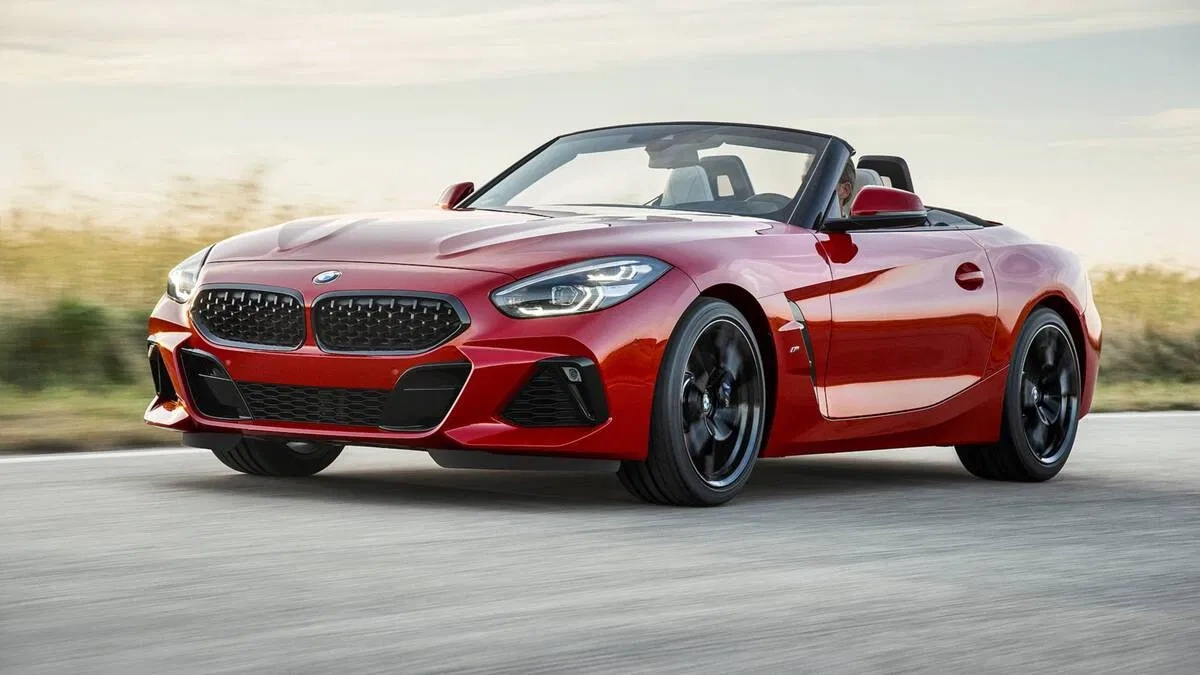
Now, let’s talk about the elephant in the garage: price. We all know sports car prices India are astronomical. But why are they so much higher than in other parts of the world? The answer, my friends, lies deep in the labyrinthine world of import duties and taxes. India, for various economic and protectionist reasons, levies some of the highest duties on imported goods globally, and luxury automobiles are right at the top of that list. We’re talking about import duties that can double, or even triple, the ex-factory price of the car.
According to reports and official government notifications, depending on the engine size and CIF (Cost, Insurance, Freight) value, these duties can range from 100% to well over 150%. Add to that GST, registration charges, road tax, and other levies, and you quickly realize why a car that costs, say, $150,000 in the US, might retail for upwards of ₹3-4 crore here. This heavily inflated price tag means that the already exclusive world of supercars in India becomes an even more rarefied club.
This economic reality fundamentally shapes the luxury car market India. Manufacturers often bring in a limited number of models, and the target audience is extremely niche. It also means that every scratch, every dent, every service becomes exponentially more expensive. This isn’t just a trivial cost; it’s a significant financial commitment that extends far beyond the initial purchase, reinforcing the ‘why’ behind the exclusivity and the careful consideration required when buying sports cars India. For a deeper dive into India’s automotive sector, you might find more information onWikipedia.
Beyond the Garage | The Evolving Sports Car Culture in India
Despite the challenges, a vibrant and rapidly evolving sports car culture is undeniably taking root across India. This is the ‘why’ that truly warms the heart of any enthusiast. It’s no longer just about owning a status symbol; it’s about passion, community, and the shared love for speed and engineering. Over the past decade, we’ve seen a remarkable shift.
From informal meet-ups to highly organised supercar clubs and track days, Indian car enthusiasts are finding ways to celebrate their passion. Cities like Mumbai, Delhi, Bangalore, and Hyderabad regularly host rallies and events where owners can showcase their prized possessions, share experiences, and connect with like-minded individuals. This sense of community provides a crucial support system, especially when facing the aforementioned challenges of maintenance and specific driving conditions.
The rise of social media and dedicated automotive platforms has further amplified this culture, allowing enthusiasts to connect globally and locally. While many still dream of owning top sports car brands India like Lamborghini, Ferrari, or McLaren, there’s also a growing appreciation for performance vehicles from brands like Porsche, Audi, and Mercedes-AMG, which offer a slightly more practical (and relatively less expensive) entry point into the world of speed. The shift is subtle, but significant: from passive admiration to active participation, making the dream of owning a sports car feel a little more tangible for some.
Performance vs. Practicality | A Balancing Act for the Indian Buyer
So, if the roads are tricky and the prices are eye-watering, why do people still buy sports cars in India? This brings us to a fascinating balancing act between unadulterated performance and the harsh realities of daily practicality. For many, a sports car isn’t their only vehicle. It’s a weekend indulgence, a passion project, or a statement piece. It’s a carefully considered purchase where the joy of occasional blasts outweighs the daily inconveniences.
Let me rephrase that for clarity: the utility of a performance car in India often extends beyond its driving dynamics. It signifies success, ambition, and a discerning taste for engineering marvels. Owners often adapt, finding specific routes for their spirited drives, or planning elaborate road trips to destinations with better tarmac. This adaptation is a testament to the enduring appeal of these machines. I initially thought this was straightforward – if it’s impractical, don’t buy it. But then I realized, for true enthusiasts, practicality isn’t always the highest priority. The emotional connection, the thrill, the sheer art of it, often transcends logical considerations.
Moreover, the market itself is adapting. There’s a growing segment of buyers looking for luxury sports cars that blend performance with a degree of comfort and usability. Think high-performance SUVs or grand tourers that offer exhilarating speed but can also handle broken patches of road without too much drama. This evolving preference highlights the unique demands of the Indian market, pushing manufacturers to offer more versatile options.
What’s Next for the Indian Sports Car Dream?
Looking ahead, the future for sports cars in India is a mix of challenges and immense potential. The ‘why’ of tomorrow will be shaped by several factors. Continued infrastructure development, especially more accessible expressways and dedicated track facilities, will undoubtedly enhance the driving experience. Policy changes around import duties could make these cars slightly more attainable, expanding the market beyond the ultra-rich.
Furthermore, the global shift towards electric vehicles is an interesting curveball. Electric performance cars often offer instant torque and blistering acceleration, combined with quieter operation and potentially lower running costs. As charging infrastructure improves and electric technology becomes more advanced, we might see a new wave of electricsports carownership in India, sidestepping some of the traditional fuel and maintenance concerns. The landscape is dynamic, and for those who dream of acoupe caror a proper sports machine, there’s always something new on the horizon. Keep an eye on thelatest automotive newsfor updates!
So, the next time you spot a brilliant red supercar on an Indian road, remember it’s not just a car. It’s a statement, a passion, and a testament to an owner navigating a complex, yet incredibly rewarding, journey. It’s a story of why dreams persist, even against formidable odds.
Frequently Asked Questions About Sports Cars in India
Is it practical to own a sports car in India?
While challenging due to road conditions and traffic, it is certainly possible. Many owners use them as weekend cars or for special occasions, rather than daily drivers. The practicality often depends on your location and primary use case.
Are sports cars expensive to maintain in India?
Yes, absolutely. High import duties on parts, specialized service requirements, and limited authorized service centers can make maintenance significantly more expensive than for regular cars. Insurance premiums are also very high.
What are the cheapest sports cars available in India?
The term “cheapest” is relative in the sports car segment. Entry-level performance models from brands like Porsche (e.g., Cayman/Boxster), Audi (e.g., TT, RS models), and Mercedes-AMG (e.g., C43, A45) are typically among the more ‘accessible’ options, though still commanding premium prices.
Are there many sports car enthusiasts in India?
Definitely! India has a rapidly growing community of passionate car enthusiasts. Numerous clubs, online forums, and events cater to owners and admirers of sports and luxury cars, fostering a vibrant culture.
Do I need special driving skills for sports cars on Indian roads?
While advanced driving skills are beneficial for maximizing a sports car’s potential, careful and defensive driving is paramount on Indian roads. Awareness of road conditions, traffic patterns, and excellent judgment are more critical than high-speed driving expertise.
What about electric sports cars in India?
Electric sports cars are an emerging segment. Brands like Porsche (Taycan) and Audi (e-tron GT) have introduced performance EVs. As charging infrastructure improves and technology advances, the market for electric sports cars is expected to grow, offering a different ownership experience.