
 By Car gamerewardz
Alright, let’s grab a cup of chai and chat about something that’s probably on the minds of many Indian car buyers: what’s happening with our beloved hatchbacks? When we talk about upcoming hatchback cars 2026 , it’s not just about a few new models hitting the showroom. Oh no, my friend, it’s about a seismic shift in theIndian automotive industry, a quiet revolution brewing that will redefine what a ‘small car’ means for us.
Here’s the thing: for decades, hatchbacks have been the undisputed kings of our roads. Affordable, nimble, fuel-efficient – they were the sensible choice, the first car, the city slicker. But 2026? That year isn’t just another calendar entry; it’s shaping up to be a pivotal moment. The ‘why’ behind the new launches is far more intriguing than the cars themselves. It’s about evolving consumer needs, government regulations, and a surprising plot twist from manufacturers themselves. So, let’s peel back the layers and understand why the future of small cars in India is set for a dramatic makeover.
The Shifting Sands | Why Hatchbacks Are Evolving Faster Than Ever
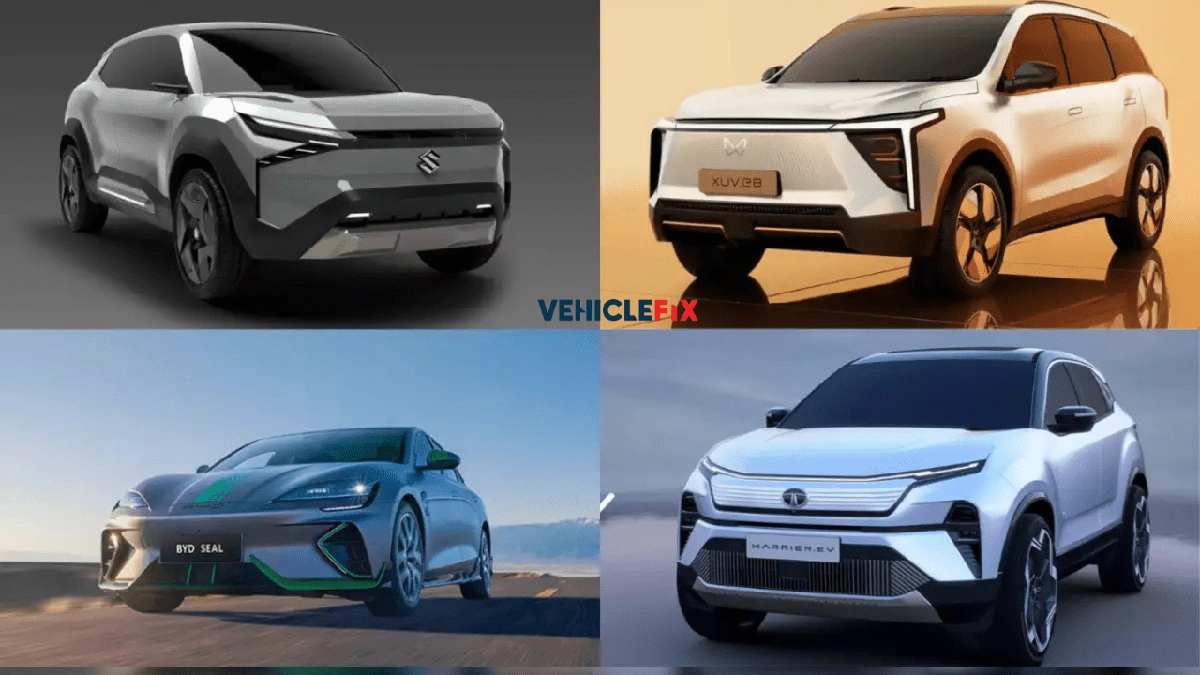
Think about it: just a few years ago, the mantra was simple – more space, more power, more features. But the landscape is changing, and quickly. One of the biggest drivers behind the evolution of upcoming hatchback cars 2026 is, undoubtedly, the environment. Stricter emission norms are pushing manufacturers to innovate like never before. This isn’t just about tweaking engines; it’s about fundamentally rethinking powertrain options. That’s why you’ll see a significant push towards hybrid and electric hatchbacks India . Companies aren’t just doing this out of goodwill; it’s a necessity to stay compliant and relevant.
Another crucial factor is consumer aspiration. While practicality remains key, Indian buyers are increasingly demanding premium features, better safety, and more sophisticated design even in their entry-level vehicles. Gone are the days when a hatchback was just a utilitarian box on wheels. People want connectivity, advanced driver-assistance systems (ADAS), and interiors that don’t feel like a compromise. This means the next-generation models will pack a lot more punch in terms of technology and creature comforts, even if it means a slight bump in price. It’s a delicate balancing act for carmakers, trying to maintain affordability while piling on the goodies.
The Electric Wave | Are We Ready for EV Hatchbacks in 2026?
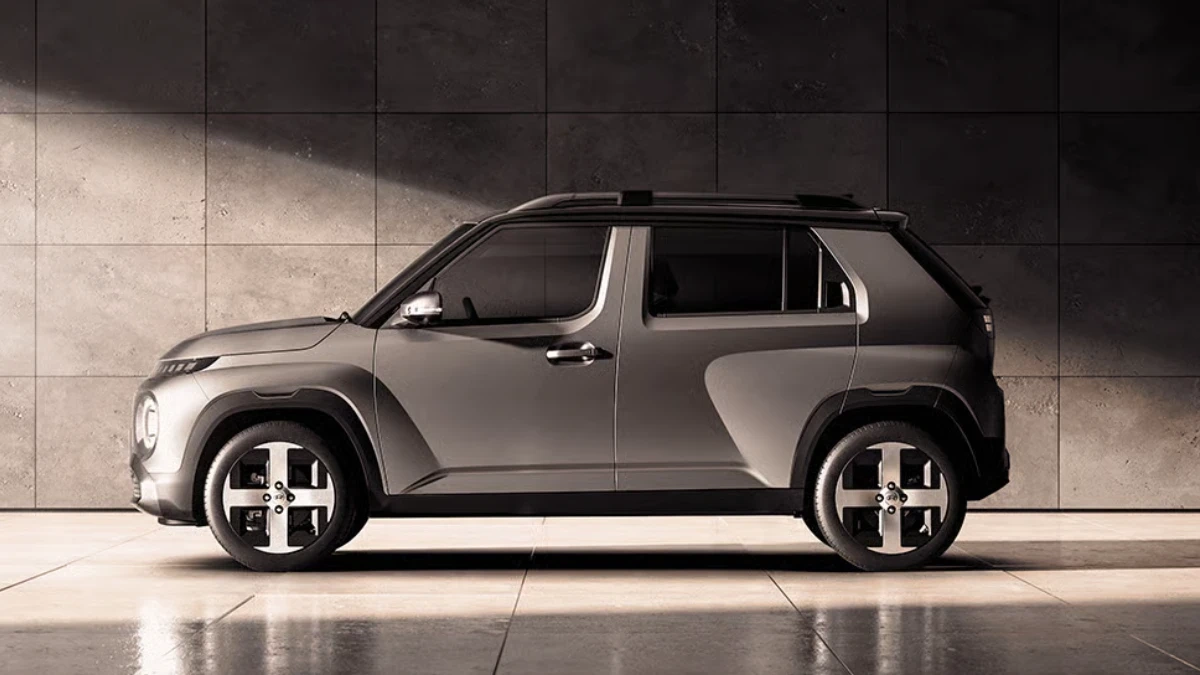
Let’s be honest, the electric vehicle (EV) revolution in India has been a slow burn, mostly driven by SUVs and higher-end sedans. But 2026? That’s when the EV narrative is expected to truly hit thehatchback segment. Why 2026 specifically? A confluence of factors. Battery technology is maturing, making EVs more affordable and range-anxiety less of a concern. The charging infrastructure, though still nascent, is slowly but surely expanding. And perhaps most importantly, government incentives are likely to become more focused on mass-market EV adoption.
What this means for upcoming hatchback cars 2026 is a fascinating dynamic. We’re talking about dedicated EV platforms, not just retrofitted petrol cars. This allows for better space management, improved driving dynamics (imagine instant torque in a compact package!), and truly innovative designs. We could see models fromleading automotive portalslike Maruti Suzuki, Tata Motors, and Hyundai India leading this charge with competitively priced electric hatchbacks . It’s not just about reducing running costs; it’s about offering a fundamentally different driving experience tailored for urban India. Don’t be surprised if your neighbour’s new compact car is silently zipping by on battery power!
The ICE Story | How Petrol Hatchbacks Will Fight Back
Now, before you think it’s all about electric cars, let me tell you, the internal combustion engine (ICE) isn’t going down without a fight. Petrol hatchbacks will still dominate sales in 2026, but they will be vastly different. The focus will be hyper-efficiency. We’re talking advanced turbo-petrol engines, mild-hybrid systems, and even strong hybrids trickling down from larger vehicles. The emphasis will be on maximizing fuel efficiency without sacrificing performance.
Manufacturers like Maruti Suzuki, who understand the pulse of the Indian auto market better than anyone, will undoubtedly bring out new models with improved K-Series engines, perhaps even new platforms. Similarly, the Hyundai i20 next gen and Tata Altroz updates are expected to push the boundaries of design, features, and safety in their petrol avatars. The competition will be fierce, forcing innovation across the board. The good old petrol hatchback won’t just survive; it will evolve into a more sophisticated, cleaner, and smarter machine, perhaps even offering some of the connectivity and ADAS features previously reserved for premium vehicles. This also means we’ll likely see a strong emphasis onsafety features, a non-negotiable for today’s discerning buyer.
Beyond the Hype | What to Really Expect from New Hatchbacks
So, what does this all mean for you, the potential buyer looking for an affordable small car in 2026? Expect more choices, but also more complexity. The lines between what constitutes a hatchback, a micro-SUV, and a compact sedan are blurring. You might see hatchbacks with higher ground clearance, bolder cladding, and even roof rails – essentially, trying to capture some of that SUV craze without actually being an SUV. This design trend is a direct response to consumer preference for a more robust, go-anywhere aesthetic.
Another crucial aspect will be the modularity of platforms. Manufacturers are investing heavily in platforms that can accommodate various powertrains (petrol, hybrid, electric) and body styles. This allows for quicker development cycles and better economies of scale, ultimately benefiting the consumer with more diverse offerings. We could see the new Maruti models 2026 or updated variants of the Swift or Baleno arriving on these highly versatile architectures, paving the way for more interesting iterations down the line. It’s an exciting time, especially when you consider the rapid advancements in technology for the car market future India .
Navigating the Future | Making Sense of Your Choices
My advice? Don’t rush. The market in 2026 will be a melting pot of traditional petrol, advanced hybrids, and compelling electric options. Understand your driving needs: daily commute, long trips, city-only usage? Evaluate charging infrastructure if you’re leaning electric, and always prioritize safety. The petrol vs electric hatchbacks debate will be more nuanced than ever. It’s not just about upfront cost, but total cost of ownership, resale value, and the overall driving experience. The next-generation models will challenge our perceptions, offering more than we’ve come to expect from the compact segment.
The upcoming years, leading up to and including 2026, will be a golden era for the Indian hatchback segment. It won’t be the same humble segment we’ve known; it’ll be a smarter, greener, and far more exciting space. So, buckle up, because the future of compact cars is anything but small.
Frequently Asked Questions About Upcoming Hatchback Cars 2026
What kind of fuel options will be available for upcoming hatchback cars in 2026?
You can expect a mix of highly fuel-efficient petrol engines, advanced mild-hybrid and strong-hybrid powertrains, and a significant increase in dedicated electric hatchback models. The shift towards cleaner energy sources will be very prominent.
Will upcoming hatchbacks be more expensive than current models?
Generally, yes. The integration of advanced safety features, premium interiors, stricter emission compliance, and new technologies (especially in EVs and hybrids) will likely lead to a moderate increase in prices. However, increased competition and modular platforms might help keep some models competitive.
What are some expected new models or updates for 2026?
While specific models are still under wraps, expect significant updates or next-generation versions of popular models from manufacturers like Maruti Suzuki (e.g., Swift, Baleno), Hyundai India (e.g., i10 Nios, i20), and Tata Motors (e.g., Tiago, Altroz), possibly with electric variants. New entrants or concepts might also emerge.
Will safety features improve in 2026 hatchbacks?
Absolutely. With rising consumer awareness and anticipated stricter safety regulations, upcoming hatchback cars 2026 will likely come equipped with enhanced safety features, including more airbags as standard, improved structural integrity, and potentially ADAS (Advanced Driver-Assistance Systems) features even in higher variants.
Is 2026 a good year to buy a new hatchback in India?
From an innovation and choice perspective, 2026 is shaping up to be an excellent year. You’ll have access to more technologically advanced, safer, and fuel-efficient options, including a robust selection of EVs. If you’re looking for cutting-edge features and future-proof motoring, it could be a great time to buy.